


Across North America, Europe and Asia, all-volunteer forces are short of recruits and long on advertising. The US Army has rebuilt its brand around a revived slogan, European armies are experimenting with challenge-based and lifestyle campaigns, and Singapore’s Navy is leaning into the idea that signing up looks “crazy” to most people.
For civilian employers, these campaigns are a live laboratory. Militaries must sell roles that involve risk, relocation and public scrutiny. If they can make that proposition attractive to Gen Z, there are clear lessons for anyone hiring software engineers, nurses or retail managers.
Momentum isn’t always progress, especially when you always end up back where you started.
Fathom helps you escape the loop. With insight, not intuition.
When the “war for talent” is literal
Corporate recruiters talk about talent shortages. Defence ministries talk about national security.
In the past few years, the US services have repeatedly missed recruiting targets. European forces have reported similar gaps just as governments ask them to expand. At the same time, Gen Z is more sceptical of institutions, less likely to have family members who served, and more focused on mental health and work-life balance than previous cohorts.
The result is a global experiment in recruitment marketing. Monocle’s reporting on modern armed forces campaigns, from the US to Sweden and Ukraine, shows an arms race in brand ideas, production values and data.
For HR, TA and employer brand leaders, this is more than a curiosity. If armed forces can attract young people into jobs that involve live fire, deployments and strict rules, civilian employers probably have more room to be honest and bold than they think.
Why armed forces are suddenly serious about marketing
The recruitment problem for militaries is structural, not just creative.
- Demographics and fitness. Fewer under-25s meet the physical, educational and background standards required to serve.
- Attitudes and awareness. Young people often have an outdated or distorted picture of military life, with hazy ideas about pay, family impact, and post-service careers.
- Labour market competition. Entry-level salaries in logistics, tech and the trades have risen, and many employers promise purpose and flexibility without deployments.
That combination has forced militaries to professionalise recruitment and marketing. Budgets are larger, structures look more like blue-chip marketing departments, and the creative bar is closer to global consumer brands than government public-information posters.
The most visible example is sitting in a Chicago office block.
Inside the US Army’s Chicago-style marketing machine
After an audit scandal and years of under-performance, the US Army tore up its old marketing contracts and created the Army Enterprise Marketing Office (AEMO) in Chicago. It then hired DDB on a ten-year contract and staffed AEMO with marketers, data specialists and behavioural scientists from commercial brands.
Key features of this model:
- Professional marketing talent. AEMO behaves like an in-house agency, with strategists, creatives and analysts who understand both brand and performance marketing.
- Data before nostalgia. The decision to revive the 1980s slogan “Be All You Can Be” came after extensive testing against newer lines, not because senior officers were sentimental. It simply scored best for clarity and relevance with the target audience.
- One brand platform, many stories. Under “Be All You Can Be”, films and social content focus on three themes that research highlighted for Gen Z: meaning, skills and belonging. Each theme gets its own hero stories, from “first patch” to “first arrival”.
- Tighter loop between brand and recruiting. Marketing and recruiting functions sit under shared leadership, which makes it easier to adjust eligibility rules, recruiter numbers or incentives when campaigns change the volume or quality of leads.
The early signs are that this structure has helped the Army bounce back from one of its worst recruiting years. Awareness and consideration measures improved, and the service has been more confident about setting higher recruiting goals.
 Gregory Scruggs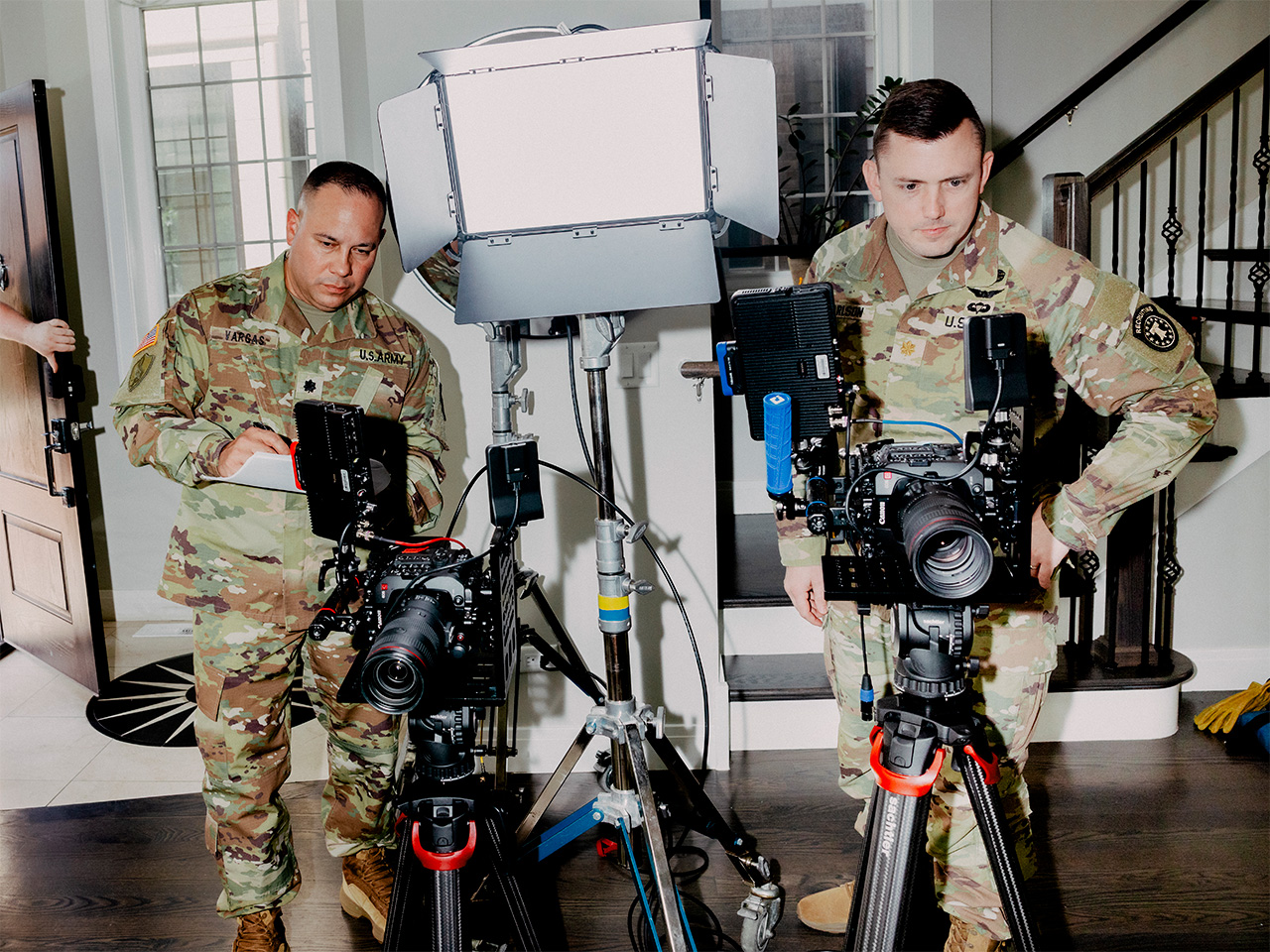
The bigger lesson is organisational rather than creative. If you want a different recruitment outcome, you probably need a different operating model, not just a new tagline.
Different nations, different pitches
While the US has gone all in on a single heritage slogan, other countries are experimenting with tone and audience.
United Kingdom: belonging and stereotype judo
British Army recruitment has run as an evolving series since 2017, with themes such as “This is Belonging”, “Your Army Needs You”, “Nothing Can Do What a Soldier Can Do” and “You Belong Here”.
The best-known element is the 2019 “Your Army Needs You” posters. They took familiar labels about young people, like “snowflakes”, “phone zombies” and “selfie addicts”, and reframed them as strengths such as compassion, focus and confidence. The work pulled in strong response numbers and plenty of media debate.
Critics have questioned whether more recent work leans too heavily on teamwork and belonging and not enough on the longer-term risks of service. That tension will be familiar to any corporate brand trying to promise community inside a high-pressure environment.
France: challenge and variety
France’s land army, Armée de Terre, has focused its latest campaign around a simple question: “Can you do it”. The creative stresses variety and challenge rather than a single archetype. It foregrounds more than a hundred possible specialities and uses city-centre events to let young people try parts of fitness and aptitude tests.
The army has also partnered with youth radio and digital media brands to normalise conversations about military careers with listeners who might otherwise never meet a recruiter. The goal is to make service one option among many, not an alien world.
Germany: “Do what really counts”
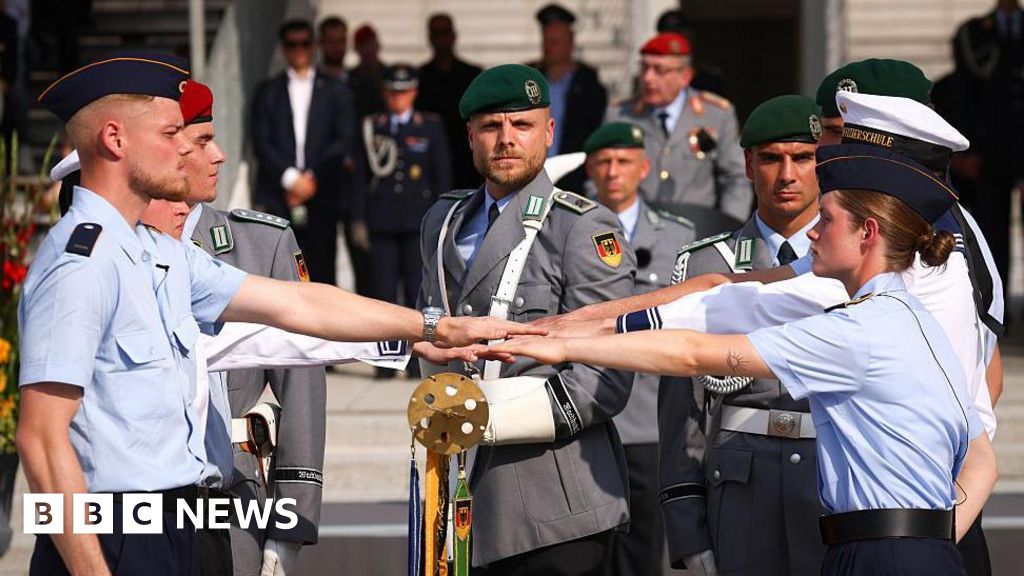
Germany’s Bundeswehr has been advertising under the line “Mach, was wirklich zählt” – “Do what really counts”. Campaigns position the military as both national contribution and a strong training route into civilian careers.
The messaging emphasises responsibility, progression and the chance to be trained in a wide range of roles, both civilian and military, across hundreds of locations. For years, this has struggled to offset low enthusiasm for service. Recently, however, public concern about security has grown and policymakers are pairing marketing with structural changes, including debate about new forms of selective national service.
This is an important reminder. When the underlying offer is constrained, no amount of brand polish will fix the funnel on its own.
Singapore: “It’s Not Crazy, It’s the Navy”
Singapore’s defence forces operate in a national service context, where most men serve but only a fraction stay on as long-term professionals. Recruitment campaigns increasingly target those who could build a career after conscription ends.
The Republic of Singapore Navy’s “It’s Not Crazy, It’s the Navy” work leans straight into social pressure. It accepts that to many families and friends, signing up looks irrational. The copy asks whether it is “crazy to join the Navy, or crazier to leave your home undefended”, and visuals show sailors handling heavy equipment with lines about carrying “the weight of a nation”.
The campaign runs across film, out-of-home and social, targeting students, conscripts waiting for enlistment and mid-career switchers. Rather than selling comfort, it speaks directly to people who want resilience, purpose and a clear connection between their job and the safety of their city.
Beyond the “core”: Sweden, Ukraine and Russia
Monocle’s round-up of modern recruitment tactics also highlights striking contrasts outside the usual NATO comparison set.
- Sweden’s “You have what it takes” campaign, aimed at women, shows only civilian scenes and then captions them with military parallels. The message is that many already have the necessary traits.
- Ukraine’s Third Assault Brigade uses knowing humour and sci-fi imagery to pitch service as heroic and adventurous, even as everyone understands the reality of front-line risk.
- Russia’s televised spots focus heavily on masculinity and salary, with taglines like “You are a man. Act like it” and on-screen pay figures that outstrip many civilian roles.
The creative range is wide, but the underlying question is always the same. How do you persuade someone to accept risk and constraint in exchange for meaning, skill and security.
What seems to work in military recruitment marketing
Looking across these examples, a few themes stand out.
1. Purpose and progression, together
Research on Gen Z and defence careers repeatedly finds that they care about principles and purpose, but also salary, job security and the ability to build a family life.
The more successful campaigns do not force a choice. “Be All You Can Be”, “Can You Do It”, “Mach, was wirklich zählt” and “This is Belonging” all combine national duty with clear training paths, qualifications and benefits. The message is: you will do something that matters, and you will build a future for yourself while you do it.
2. Owning the risk instead of hiding it
Singapore’s Navy campaign openly acknowledges that turning down a safer, better-paid job for a frigate posting will look strange to many. British posters leaned into stereotypes about “snowflakes” and “phone zombies” rather than pretending those criticisms did not exist. Ukrainian creatives nod to danger with dark humour.
Compared with many corporate campaigns that quietly erase long hours, travel or emotional labour, these military examples often put difficulty in the shop window. They use it as a filter, not something to brush over in the small print.
3. Long-term platforms, short-term experiments
The US example shows the value of an enduring brand platform that can flex with politics and culture. “Be All You Can Be” has now supported very different executions, from animated personal stories to more traditional, action-heavy films.
The UK offers a similar lesson. Annual themes change, but the underlying story is about belonging and potential. That consistency makes experimentation less risky, because there is something stable at the core.
4. Integrated teams and feedback loops
AEMO’s structure matters as much as its creative work. By giving marketers and recruiters shared leadership and datasets, the Army has tightened the feedback loop between campaigns and front-line recruiting.
France’s combination of live events, media partners and local recruiters, and Germany’s integration of civilian and military careers under the same employer brand, show similar thinking. These are not isolated campaigns. They are programmes that connect awareness, experience and offer.
5. Digital natives and “soldier-influencers”
A growing slice of recruitment activity now happens on social platforms. US and European forces work with lifestyle and fitness creators, produce short-form content for TikTok and Instagram, and are slowly developing policies for serving soldiers with large online followings.
This reflects a simple reality. Many young people have no personal connection to military service. Their first exposure to the idea that “this could be for me” will come through a screen, not a school visit.
Lessons for corporate employer brand teams
So what can a bank, retailer or software company reasonably take from all this, beyond a grudging respect for military media budgets?
1. Treat employer branding like a core business function
The US Army created a corporate-style marketing office, staffed it with professionals and linked it directly to recruiting outcomes. Most companies do not need a skyscraper in Chicago, but they probably do need a clear owner for employer brand, budget and performance.
That usually means:
- One accountable leader for EB across HR, TA and comms.
- A small core team with brand, content and analytics skills.
- Clear goals tied to pipeline quality, time to hire and retention, not just impressions.
2. Build one durable idea, not a new strapline every year
“Be All You Can Be”, “Mach, was wirklich zählt” and “This is Belonging” are broad platforms. They can stretch from early careers to lateral hires and from billboards to employee stories.
Corporate EB often jumps from “belong anywhere” to “growth mindset” to “build the future” with every leadership change. Candidates barely have time to absorb what the brand stands for.
A simple, durable idea makes life easier for everyone. It also creates a clearer frame for each new campaign.
3. Be more honest about the hard parts
The Singapore Navy makes social and family doubts part of the story. British recruitment ads turned criticisms of Gen Z into strengths. Some of the more striking Ukrainian and Swedish work acknowledges that service will be demanding and disruptive.
Most civilian roles look mild by comparison, yet many employer campaigns smooth over the hard edges. That might be tempting, but it also fills pipelines with people who did not really know what they were signing up for.
EBN’s coverage of Anduril’s provocative “Don’t Work Here” campaign makes a similar point. The company famously warns people away in its own marketing, then explains that if you are still interested, you are probably aligned on pace and purpose.
 James Robbins
You do not have to go that far, but you can be clearer about trade-offs.
4. Let data choose the nostalgia
The US Army did not revive its old slogan because people missed the 1980s. It tested a range of options, found that the original line was still the strongest in research, and then invested.
Corporate leadership teams often have fond memories of past slogans or imagery. That can be valuable equity, but only if it still works with the people you need to hire now. If you want to bring back a phrase, logo or campaign motif, put it through the same testing you would apply to anything new.
5. Take reputation and community seriously
Militaries cannot ignore public sentiment. Political context and media coverage shape how campaigns land. They pay close attention to trust, not just awareness.
For civilian employers, the equivalent is the combination of review sites, employee social media and industry gossip. A polished recruitment film will not survive contact with a one-star Glassdoor page.
Employer brand teams need to work hand in glove with HR and leadership on the underlying “deal” and ways for employees to tell their own story, rather than treating reputation as a separate PR problem.
6. Remember that marketing cannot fix a bad deal
Some European forces are changing policy, not just creative. That includes discussion of new conscription models, adjustments to pay and benefits, and clearer career paths into civilian life.
The corporate parallel is straightforward. If the core offer on workload, pay, safety or ethics is untenable, no amount of storytelling will make the right people stay. EB can sharpen the message and bring the reality to life, but it cannot substitute for changes in how work is designed and led.
Impact for HR, TA and employer brand leaders
For HR and people leaders
- Expect more candidates to arrive with a sharper sense of trade-offs and purpose. Military campaigns are part of a wider cultural shift that normalises talking about risk, sacrifice and meaning at work. Employer value propositions that ignore this will feel thin.
For TA and recruitment marketing teams
- There is a strong case for closer integration between media, sourcing and recruiters in the field. The armed forces seeing the most improvement are not always those with the flashiest films, but those where marketing and “sales” are genuinely joined up.
For employer brand specialists
- The creative bar is higher than it used to be. Gen Z is used to seeing hard jobs sold with humour, honesty and high production values. Safe stock-photo campaigns increasingly look like a warning sign rather than a comfort.
If they can sell risk, you can sell reality
Military recruitment sits in an uncomfortable space between marketing, ethics and national policy. It also provides a real-time test of how far modern employer branding can stretch.
Even the most polished campaigns cannot escape geopolitics. Ukraine’s posters sit alongside conscription. Russia’s salary-heavy spots run next to casualty reports. Western militaries celebrate belonging and personal growth while quietly tightening eligibility rules or exploring new forms of national service.
For less life-threatening employers, the stakes are different but the question is similar. What are you really asking people to sign up for, and how honest are you prepared to be about that in public.
Over 2025 and 2026, as defence forces refine their playbooks, corporate EB teams have a useful benchmark. If your graduate recruitment film feels more evasive than a campaign that has to mention combat, it might be time to revisit the brief.
Takeaways
1. Why are militaries spending so much on marketing right now?
Because they face simultaneous demographic, cultural and competitive pressures that have created genuine recruitment crises, especially among Gen Z. (federalnewsnetwork.com)
2. What is distinctive about the US “Be All You Can Be” relaunch?
It combines a revived heritage slogan with an industrial-scale marketing operation in Chicago, dedicated behavioural talent and a tight link to recruiting outcomes. It is less a nostalgia play and more a long-term platform for segment-based storytelling. (Monocle)
3. How do European approaches differ?
The UK leans into belonging and stereotype judo, France frames service as a challenge with many specialities, and Germany stresses societal contribution and dual careers. All are wrestling with the same problem, but their creative choices reflect national history and politics. (Monocle)
4. What makes Singapore’s Navy recruitment interesting for EB people?
It openly addresses family doubts about a risky career, uses bold messaging to reframe “crazy” as admirable and pushes creativity in formats and design. This is close to the “honest, selective” approach explored in EBN’s Anduril piece. (Branding in Asia)
5. Where does marketing stop and policy start?
Rising European talk of new conscription models, and Germany’s planned 2026 survey of all 18-year-old men, show that no amount of creative can substitute for structural fixes when the labour market and threat environment change. (Reuters)
6. What should a civilian employer do first if they want to “borrow” from these campaigns?
Clarify the real deal on purpose, progression and trade-offs, then decide on a simple, durable brand idea that can hold that story. Only then worry about whether your next campaign needs a retro slogan, a TikTok creator, or simply a clearer message on what counts. (arXiv)
References
- Monocle, “Inside the clever marketing overhaul that turned the US Army into a recruitment powerhouse”. (Monocle)
- Monocle, “How can today’s military recruitment strategies win over a generation that won’t fight?”. (Monocle)
- Association of the United States Army, “Be All You Can Be: The U.S. Army’s Recruiting Transformation” and related brand coverage. (AUSA)
- US Army Enterprise Marketing Office, official site and campaign materials. (Army)
- DDB Chicago and Little Black Book coverage of “Be All You Can Be” films. (DDB)
- British Army campaigns “This is Belonging”, “Your Army Needs You”, “Nothing Can Do What a Soldier Can Do” and “You Belong Here”, plus analysis from Marketing Week and ForcesWatch. (EST - European Student Think Tank)
- French Army “Can You Do It?” campaign (Dentsu Creative) and Skyrock partnership case study. (Little Black Book)
- Bundeswehr “Mach, was wirklich zählt” campaigns and supporting material. (bundeswehrkarriere.de)
- Republic of Singapore Navy “It’s Not Crazy, It’s the Navy” campaign coverage and creative portfolios. (Branding in Asia)
- RAND Corporation and Serco research on Gen Z attitudes to defence careers. (RAND)
- Federal News Network, US Department of Defense and NATO-related reporting on recruitment shortfalls. (federalnewsnetwork.com)
- Employer Branding News, “Don’t Work Here: The Employer Brand That Dares You to Look Twice” (Anduril campaign analysis). (Employer Branding News)
- Academic work on employer reputation and labour market behaviour using Glassdoor and Dice. (arXiv)
Recent news on recruitment crises and new tactics
From the US Army missing enlistment goals to European debates about reviving conscription, defence chiefs are treating recruiting as a strategic risk, not a seasonal headache. The response ranges from Chicago-style brand overhauls to influencer-led campaigns and experiments with shorter, more flexible forms of service.
 Sig Christenson
 Kelsey Baker
 Updated [hour]:[minute] [AMPM] [timezone], [monthFull] [day], [year]
 Hélène Bienvenu

 EBN
EBN