


The sales pitch for workplace AI has been consistent: faster work, fewer boring tasks, better output.
The lived experience is getting more complicated. Some teams are shipping more, but also staying later. Some leaders see adoption, but can’t see the payoff. In the background, remote work is becoming less a perk and more a legal process. And as companies spend heavily on AI infrastructure, job cuts keep arriving in the same inbox.

Your employees know the truth. Does your EVP? At Fathom we measure the "Credibility Gap" between your promise and their reality.
This week’s Paper Cut pulls these threads into four themes, then closes with The Cut List.
This Week’s Paper Cut's
Watch or listen here ↯
We keep tracking to a minimum. The video is hosted on YouTube and the podcast is hosted on PodBean, which may place cookies that measure viewing and personalize content. We only load the player after you consent to these cookies. You can update your cookie settings any time.
The productivity paradox: AI can lengthen the day
Scientific American reports on a growing pattern: AI tools can help developers release more software, but still contribute to longer hours. A big reason is rework. When AI-generated code introduces mistakes or weak assumptions, the “time saved” upfront can show up later as debugging, patching, and downstream clean-up. It’s not that AI never helps, it’s that it often moves effort around the calendar rather than removing it.
The strongest evidence in your link pack for “AI can slow work” is the METR randomized controlled trial on experienced open-source developers. The headline result is blunt: developers took longer to complete tasks when AI tools were allowed. METR frames it as a snapshot of early-2025 tool capability in a real setting, not a forever verdict, but it’s a useful corrective to the assumption that AI assistance automatically increases productivity. It also highlights a dangerous gap: people can feel faster while being slower.
That gap is where frustration grows. If leadership assumes the benefit is already banked, it becomes tempting to raise expectations before the work system can handle them.
Employer Brand POV
If you want AI adoption without burnout, measure the right thing. “Tool usage” is easy to count, but it does not tell you whether work got better. Use metrics employees recognise: rework rates, incident volume, cycle time, time spent in approvals, time spent in meetings, customer handoff speed. If AI is creating a second shift of checking, treat it as a design flaw, not an employee attitude problem.
📌 Sources
 ET Online

 Steven Melendez

 Joel Becker
 Joel Becker
“Proof of impact” becomes the new L&D job description
If AI is making work noisier rather than cleaner, learning and development ends up carrying more weight. That shows up in HR coverage this week. HCA’s piece frames 2026 as a “proof” year for L&D, with attention on skills decay and the need to evidence impact, not just run training programs.
That shift matters for employer branding because it changes what “we invest in learning” has to mean. Training libraries and optional courses won’t be enough if roles are changing faster than skills are consolidating. And “AI fluency” itself isn’t a single capability. It’s a mix of judgement, workflow discipline, quality checking, and knowing when not to use the tool.
There is also a governance layer to this. The Conversation warns about “value drift”, the slow shift in an organisation’s principles as AI nudges what gets prioritised, rewarded, or ignored. This is not a philosophical sidebar. If AI speeds up what’s measurable and sidelines what’s harder to measure, organisations can end up rewarding the wrong behaviours without noticing.
Employer Brand POV
Treat L&D as part of the operating model, not a benefit. Make AI capability role-based, map it to progression, and build time into the week for practice. If your culture claims include “learning”, the credible version now is simple: what skills change, how people learn them, and how the company recognises the effort in pay, promotion, or mobility.
📌 Sources
 Jack Campbell

 Guy Bate

The culture backlash: less hustle, more pressure, and a public boundary fight
Organisations are still trying to work out what “high performance” means when tools accelerate output and volatility rises.
Entrepreneur argues that smarter leaders are moving away from hustle culture and toward a different approach. Fast Company frames discomfort as a pivot moment, a point where individuals and organisations either adjust deliberately or default into anxiety-driven habits. Both pieces reflect a growing fatigue with the endless-availability model, even when leaders keep describing it as ambition.
This matters for employer branding because candidates and employees are far more attuned to boundary practices than they were two years ago. If your company rewards weekend responsiveness, people will figure it out. If you say “flexible” but still treat constant availability as the baseline, the brand will be called out in interviews, exits, and reviews.
Employer Brand POV
Don’t try to sell “balance”. Show how work is run. Team service hours, response expectations, meeting load norms, escalation rules, and how managers model boundaries. Candidates believe artefacts, not adjectives.
📌 Sources
- https://www.entrepreneur.com/leadership/smart-leaders-are-ditching-hustle-culture-for-this-new/500782
- https://www.fastcompany.com/91501039/discomfort-is-a-pivot-moment
Remote work shifts from preference to process
Remote work is increasingly a policy and legal question, not just a cultural one. RTÉ reports the Irish government review of the remote working code, describing the current framework and the push to strengthen it. The WRC code of practice is the primary anchor here. It sets out the formal right to request remote working and the expectations for handling requests.
In Australia, The Straits Times reports an Australian state moving to enshrine work-from-home rights in law. This fits a wider pattern: flexibility is becoming something people want in writing, with predictable criteria and an appeals process, rather than something negotiated informally with a sympathetic manager.
For employer branding, that shift is significant. “We’re flexible” is no longer a differentiator if employees can’t predict how it’s applied. The differentiator becomes clarity and fairness.
Employer Brand POV
Turn flexibility into something legible. Publish your criteria, your timelines, and your exceptions. If policy is discretionary, say so. If policy is structured, show the structure. In a world where flexibility is moving into law, vagueness is a reputational risk.
📌 Sources
 Brian O’Donovan




The Cut List
The Cut List is our weekly, structured roundup of layoffs and restructures, focused on what changed, what it means for talent confidence, and what people leaders should do next.
What moved
- Oracle: Reports say thousands of job cuts are planned as the company invests heavily in AI data centers and cloud infrastructure.
- Morgan Stanley: Around 2,500 roles, roughly 3% of the workforce, reported across divisions.
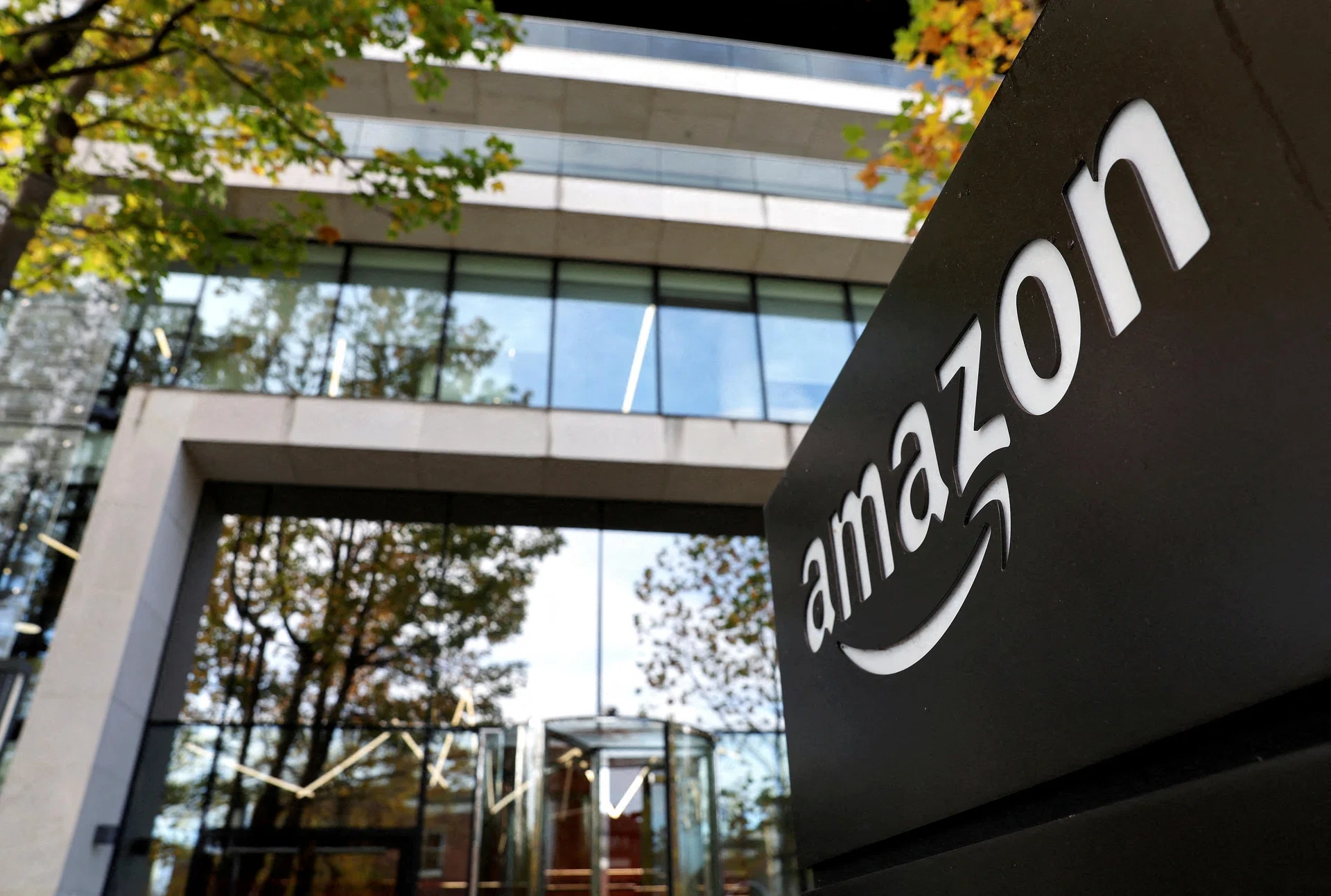
- Amazon: Confirmed cuts in its robotics unit, Reuters reported at least 100 roles affected.
What it means
AI investment and workforce reduction are now being discussed in the same breath across sectors. Even when the rationale is broader than automation, employees and candidates tend to hear “AI” as “volatility” unless leaders spell out what grows, what shrinks, and how people move.
Employer Brand POV
If you cut roles while investing in AI, your reputation hinges on clarity. Explain the business rationale in plain language, share timelines, and make mobility and support real, not aspirational. Candidates judge you less by the strategy and more by the execution.
📌 Sources



- https://uk.finance.yahoo.com/news/oracle-plans-thousands-job-cuts-180243222.html
- https://www.morningstar.com/news/dow-jones/202603059323/oracle-plans-thousands-of-job-cuts-bloomberg-reports-citing-sources
- https://uk.finance.yahoo.com/news/morgan-stanley-lay-off-3-172256024.html
- https://uk.finance.yahoo.com/news/amazon-cuts-more-jobs-time-212928733.html
Closing thoughts
AI can make work faster in the moment and heavier over the week. That’s the paradox employers now need to manage.
The organisations that earn trust this year will be the ones that do three things well: measure impact honestly, protect time with better work design, and keep rules clear when flexibility and performance expectations tighten. Everything else is noise.
 EBN