

This week reads like a referendum on a familiar promise.
AI was meant to lighten the load. Instead, many employees are spending time checking output, fixing errors, and navigating ambiguous expectations. Some are opting out. Others are pushing back. Leaders, meanwhile, are turning AI from a tool into a policy, tying it to recruitment, promotions, performance, and even benefits.

Your employees know the truth. Does your EVP? At Fathom we measure the "Credibility Gap" between your promise and their reality.
The result is not a simple adoption curve. It is a trust curve.
This Week’s Paper Cut's
Watch or listen here ↯
We keep tracking to a minimum. The video is hosted on YouTube and the podcast is hosted on PodBean, which may place cookies that measure viewing and personalize content. We only load the player after you consent to these cookies. You can update your cookie settings any time.
The AI adoption trust gap is real
Gallup polling suggests that even as AI use increases at work, many employees still choose not to use it. That is the first signal. Access is not adoption. Curiosity is not trust.
HBR makes the same point from a strategy angle. Employee perception is not a soft side quest. It shapes whether the technology becomes normal work or a quiet battleground. When workers believe AI is mainly a performance ratchet, they behave accordingly.
Then you get the operational proof. CIO reports a large share of AI productivity gains can be lost to rework. Guardian reporting on workplace errors points to the same problem from the outside. AI can speed up the first draft, but it can slow down the finished product when accuracy matters and verification is mandatory.
TechRadar packages this as a “human side” problem. That framing lands because it is true. Most organisations are not failing at deployment. They are failing at expectation management, training time, and clarity around responsibility when AI output is wrong.
Employer Brand POV
If you want real adoption, make the bargain explicit. What work does AI remove, what work does it add, and who owns quality. Publish the rules in plain language. Fund training time as actual time, not a link. If you do not do those things, you still get AI usage. You just get it in secret, in inconsistent ways, and with a growing trust deficit.
📌 Sources
 Jan-Emmanuel De Neve
 Sarah K. White
 Ramin Skibba
 Craig Hale

- https://indianexpress.com/article/technology/tech-news-technology/as-ai-use-increases-at-work-many-employees-still-choose-not-to-use-it-gallup-poll-10633705/
AI is moving into pay, performance, and the employee lifecycle
Once AI enters the employee lifecycle, it stops being “a tool” and starts behaving like policy.
Business Insider reports EY’s talent chief describing AI changing recruitment, evaluations, promotions, and career pathways. That is not a fringe view anymore. It is how large employers are trying to industrialise skills and standardise development decisions.
Fortune reports that Duolingo is requiring AI usage and linking it to performance evaluations. Whether you agree with the move or not, it signals the direction of travel. AI usage becomes a behaviour that gets measured.
LinkedIn moving into the AI training market fits the same pattern. If AI skills are becoming table stakes, training stops being a perk and becomes part of the operating model.
And when budgets tighten, even benefits get re-priced. Business Insider reports Deloitte cutting benefits for some workers. This matters because the AI transition is often funded through cost discipline elsewhere. Employees experience that as a trade. They are asked to adopt new tools while losing parts of the old deal.
For comic relief, HCA’s Mariah Carey filtering story shows the messier side of modern hiring. When applications flood in, employers start building bizarre filters. It is funny, but it is also a warning. When systems become the gatekeeper, candidates and employees stop trusting the process.
Employer Brand POV
If AI use is being tied to performance and promotion, you need governance and fairness. Define what good use looks like. Provide training that is role-specific. Protect time to learn. Be honest about what is changing in evaluation, and what will not be automated. Employer brand is not the poster. It is the rulebook people can actually understand.
📌 Sources
Lakshmi Varanasi Jacqueline Munis
 Charles Rollet
 Polly Thompson
 Jack Campbell

- https://www.inc.com/rebecca-hoeft/your-employees-experience-the-brand-before-customers-do/91328206
Transparency is becoming law, and work design is still stuck
While companies debate AI adoption, regulators are pushing a simpler lever. Transparency.
A new EU rule requires employers to disclose salary information and parts of the hiring process. Pay transparency is moving from “nice idea” to compliance reality. That changes how candidates evaluate employers and how quickly misinformation spreads when your pay practices are unclear.
HBR’s four-day workweek piece connects to the same underlying question. Work design is harder than slogans. You can announce a new model, but the constraints live inside operations, management capability, and client expectations.
Psychology Today adds an angle that is worth including because it is human and practical. Remote work can expose people-pleasing habits. That matters because transparency rules and work design changes increase negotiation. People who over-accommodate are often the ones who burn out quietly.
Employer Brand POV
Transparency is a credibility play. If you can publish salary bands, promotion criteria, and realistic hiring timelines, you remove a lot of distrust before it grows. If you cannot, you leave a vacuum that candidates fill with assumptions. And they rarely assume you are paying generously.
📌 Sources
 Kelsey Hansen
 Mark Travers Ph.D.

Identity, integrity, and the new risks nobody budgeted for
The most underestimated AI risk at work is not replacement. It is integrity.
Okta’s identity and governance angle is a reminder that AI agents and automated workflows expand the attack surface. The question becomes basic but urgent: who is acting, what are they allowed to do, and how do you audit it when the “actor” is non-human.
Futurism’s Mercor story adds another uncomfortable truth. When companies train AI on human work, people will try to game it. Not always maliciously. Sometimes as survival. The line between “automation” and “extraction” becomes blurred, and employees notice.
The Conversation piece is useful here because it complicates the story. Industries exposed to AI can see productivity gains alongside jobs and wage growth. That is the nuance missing in many boardroom conversations. The risk is not AI itself. The risk is how employers implement it, and what incentives they attach to it.
Employer Brand POV
Identity and integrity are now part of employee experience. You can be welcoming and still be serious. Explain verification steps. Make governance visible. Protect employees from impersonation and fraud. The best employer brands will feel both human and professionally competent.
📌 Sources
Dan Mountstephen Mallory Sword Glenn
 Victor Tangermann
 Christos Makridis
 Joe Wilkins
 Joe Wilkins

The Cut List
The Cut List is our weekly roundup of layoffs and restructuring moves, focused on what changed, what it means for talent confidence, and what people leaders should do next.
What moved
Disney cut more roles. Snap cut roles and circulated internal messaging about the decision. The wider market is also debating whether the “mega-layoff” era has arrived, with companies increasingly framing reductions through the language of AI and efficiency. Oracle layoffs continue to generate claims and counter-claims around who gets targeted.
What it means
Layoffs change behaviour beyond the companies doing them. They make employees cautious and candidates sceptical. They also shape how AI rollouts are interpreted, because many workers now assume “adoption” and “headcount reduction” are connected.
Employer Brand POV
If you cut, communicate clearly and support properly. If you do not cut, explain what stability means and where you are investing. Silence is rarely interpreted as reassurance.
📌 Sources
Lillian Rizzo and Julia Boorstin James Faris
 James Faris
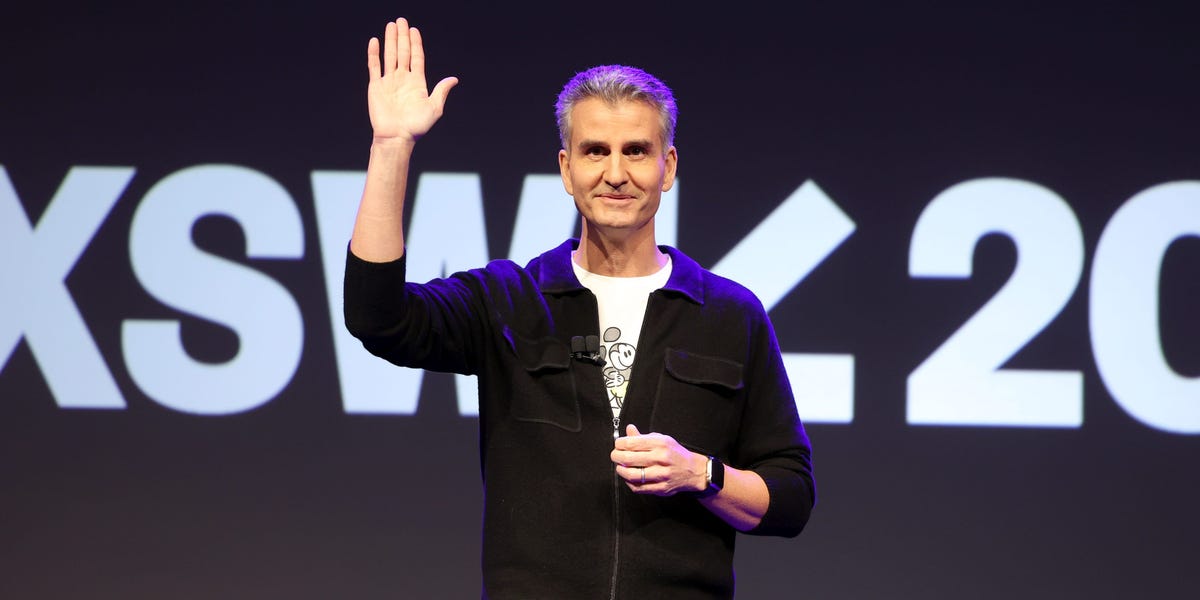 Tom Carter and Hugh Langley
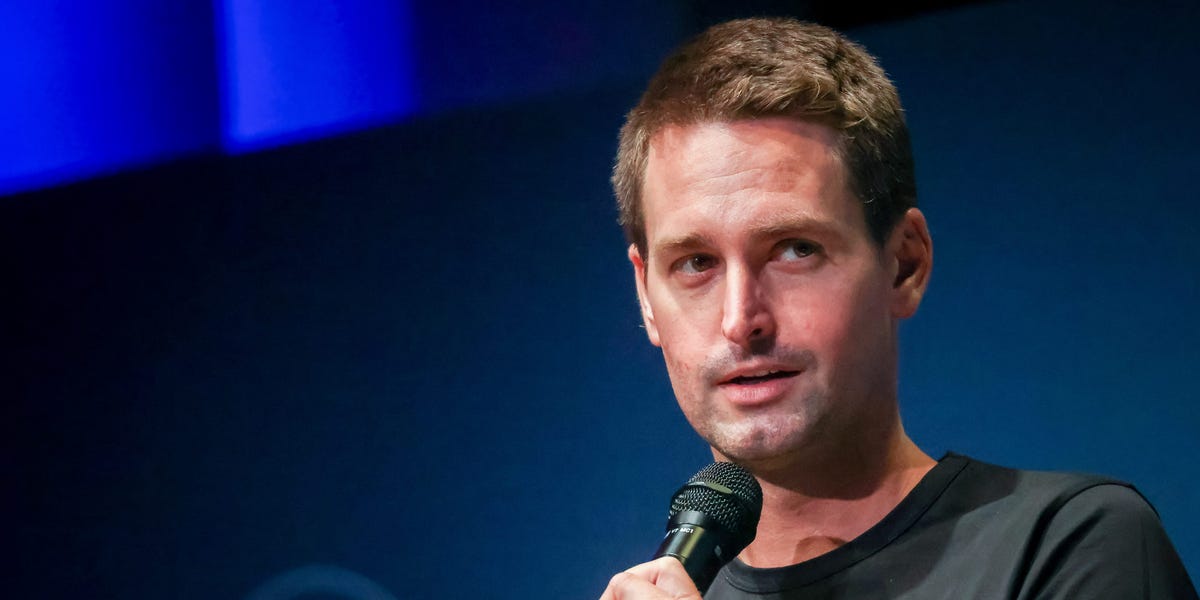 Samriddhi Srivastava
- https://www.wsj.com/business/has-the-era-of-the-mega-layoff-arrived-928f061d
- https://www.inc.com/bruce-crumley/if-ai-isnt-ready-to-replace-workers-why-are-companies-cutting-jobs-anyway/91320511
Closing thoughts
The practical lesson this week is straightforward.
AI adoption rises when the rules are clear, the training time is real, and the risks are shared. It collapses when employees feel they are carrying the downside and funding the upside.
Treat AI as an operating system change. That means governance, fairness, and manager capacity. Then your employer brand can do what it is supposed to do, which is describe reality accurately and attract people who can thrive in it.
 EBN