


Oracle didn’t just cut roles. It delivered a masterclass in how modern workforce change now lands: fast, broad, and narrated in the shadow of AI spend.
The details matter. Early-morning emails. One month severance, according to impacted employees posting online. Senior technical talent included. And a company declining to comment publicly while the internet does the explaining for them.

Your employees know the truth. Does your EVP? At Fathom we measure the "Credibility Gap" between your promise and their reality.
Around the Oracle story, the week’s links cluster into a wider pattern: HR rebuilding its foundations under relentless change, employees using AI to negotiate pay and navigate careers, the labour market tightening into “pause” mode, and a shift in the real AI risk, from redundancy to identity.
This Week’s Paper Cut's
Watch or listen here ↯
We keep tracking to a minimum. The video is hosted on YouTube and the podcast is hosted on PodBean, which may place cookies that measure viewing and personalize content. We only load the player after you consent to these cookies. You can update your cookie settings any time.
Oracle’s layoffs: the AI capex story becomes a workforce story
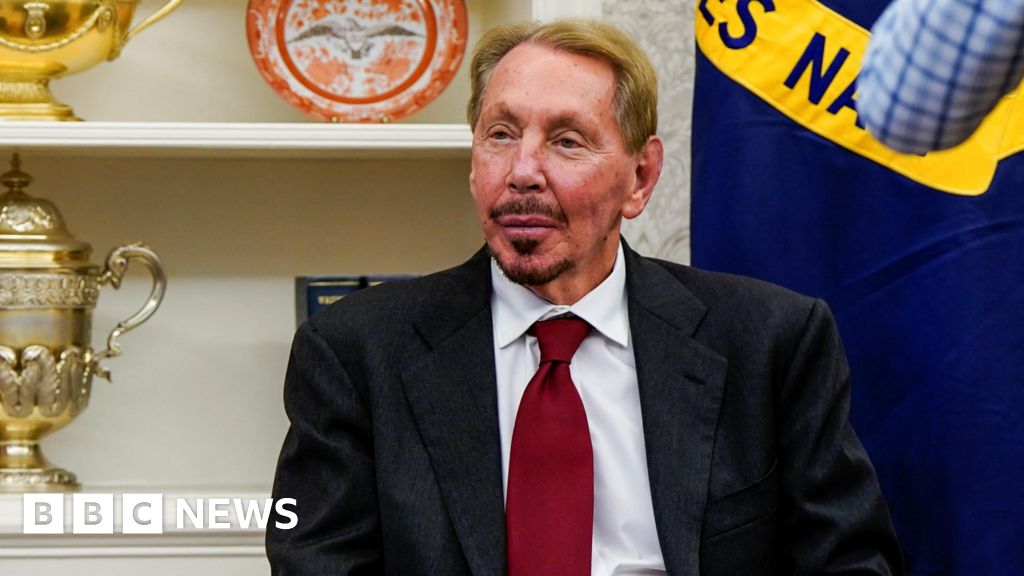
The BBC reports Oracle made “significant” job cuts, with senior employees posting online about engineers, architects, operations leaders, programme managers and specialists being let go. One employee told the BBC that roughly 10,000 roles were believed to have been cut so far, based on a drop in internal Slack activity (Oracle declined to comment). Several posts described early-morning emails and one month of severance pay.
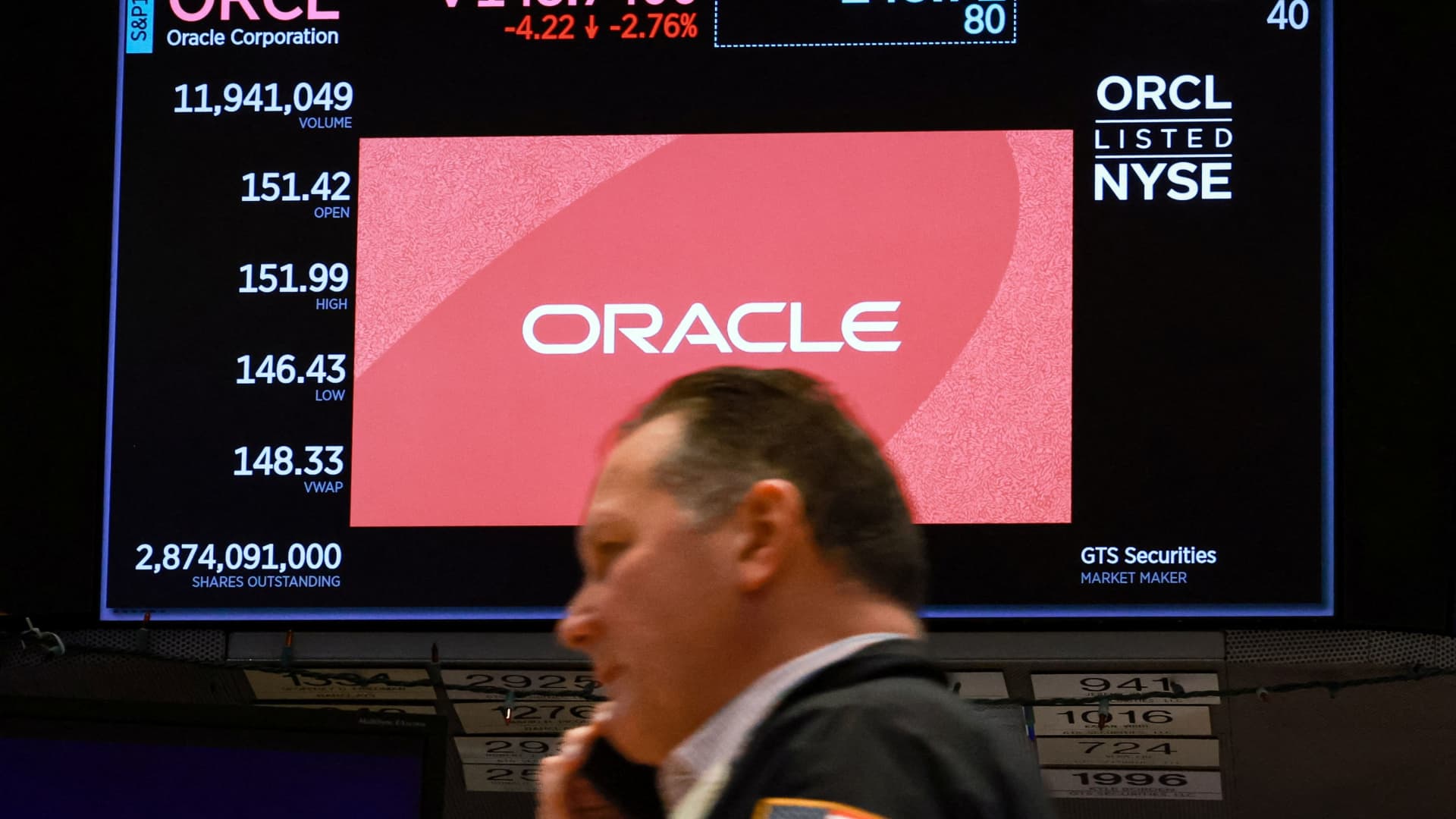
CNBC frames the cuts against heavy AI spending and an operating model that executives have previously described as enabling fewer employees to do more work. Times of India adds the comms layer: employees receiving 6am emails and compliance-style reminders inside the message. SFGate and TNW widen the geography and timeline, and CRN provides the channel/partner angle—where a customer-facing ecosystem interprets layoffs as both disruption and opportunity.
It’s tempting to treat this as yet another big-tech cut. But Oracle is the bigger story this week because it connects three themes that HR and employer brand teams need to keep in the same frame:
- AI infrastructure is capital intensive.
- Workforces are being reshaped to fund it.
- Communication style is part of brand execution now, not a “nice to have.”
Employer Brand POV
If you cut at scale while talking about AI investment, the market will assume causation. You don’t get to “clarify later.” The credible play is immediate: plain-language rationale, a visible support package, and an internal mobility lane that isn’t just a paragraph in an email. Also: if your severance offer is “a month”, your comms had better be immaculate.
📌 Sources

 Jordan Novet,Seema Mody
 Ana-Maria Stanciuc

- https://www.sfgate.com/tech/article/oracle-layoffs-ai-22175253.php
- https://www.crn.com/news/cloud/2026/partners-oracle-layoffs-are-huge-channel-opportunity?itc=refresh
- https://timesofindia.indiatimes.com/technology/tech-news/oracle-layoffs-employees-receive-email-from-oracle-leadership-at-6am-saying-we-have-made-the-decision-to-eliminate-your-role-as/articleshow/129922918.cms
- https://timesofindia.indiatimes.com/technology/tech-news/oracle-layoffs-email-to-employees-has-a-reminder-you-are-prohibited-from-/articleshow/129954409.cms
- https://www.wsj.com/livecoverage/stock-market-today-dow-sp-500-nasdaq-03-31-2026/card/shares-in-oracle-jump-6-as-layoffs-begin-aSydyLjgHiUqenNig4UA
AI skills earn premiums while engagement slips
While some companies cut, others are paying more, specifically for AI capability.
HR Dive cites a KPMG finding that many firms are willing to pay a premium for AI skills. That’s the talent market splitting in real time: scarcity at the top end, pressure and volatility elsewhere.
But capability isn’t only about hiring. It’s also about whether people stay engaged long enough to learn. That’s where the HR leadership links land: “relentless change” isn’t an abstract concept; it’s a management load problem. Engagement and learning aren’t separate. A burned-out workforce doesn’t absorb new skills, it survives the week.
If you want a practical signal of where this is going, look at who is being hired to lead “people” functions and how HR describes its own rebuild under uncertainty. Talent leaders are increasingly being asked to run operating systems, not programmes.
Employer Brand POV
If you’re paying premiums for AI skills, you need a story for everyone else. Otherwise you create two workforces: the “invested in” and the “managed.” Publish skills pathways, time-to-learn expectations, and how AI capability links to progression. And if you’re building a “future-ready” employer brand, prove it with internal mobility outcomes, not slogans.
📌 Sources
 Alexei Alexis

 Elena Martinella

 Orianna Rosa Royle

- https://www.personneltoday.com/hr/chief-people-officer-appointments-globally/
- https://www.breeze.pm/articles/workplace-productivity-statistics
- https://fortune.com/2026/04/01/best-companies-to-work-for-ai-revolution-perks/?utm_source=ebn&utm_medium=news-feed&utm_content=story&utm_campaign=all
The ILO’s warning: exposure is global, impact won’t be
Two different write-ups of ILO analysis point to a shared conclusion: generative AI will reshape jobs unevenly, and developing economies face specific risks—especially a “white-collar bypass” dynamic where certain roles don’t grow in the way previous waves of globalisation suggested.
This matters for employer branding because “AI readiness” isn’t just a training issue. It’s a workforce-planning issue. It affects where work is done, which roles get built locally, which roles get centralised, and how “opportunity” is distributed across geographies.
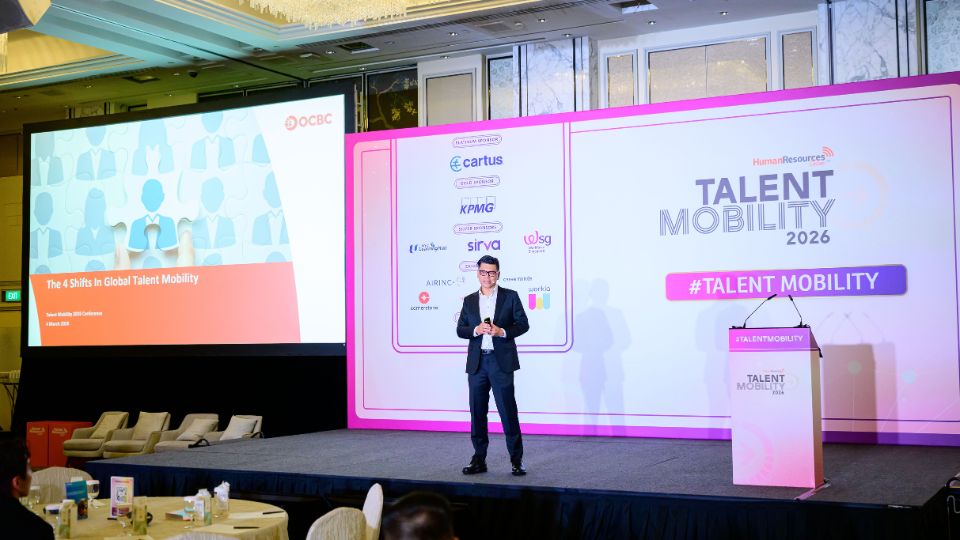
This also connects to mobility. If global hiring is uneven and skills demand is spiky, talent mobility becomes a competitive lever—who can move, where, and under what support structure.
Employer Brand POV
If you operate across regions, your employer brand needs a geography-aware skills story. Which roles are growing where? What pathways exist across markets? How do you prevent “high potential” from becoming “high friction” for anyone outside the HQ country?
📌 Sources
 Anjum Khan

 author Sarah Gideon
- https://www.bwpeople.in/article/genai-to-reshape-global-jobs-but-impact-will-be-uneven-ilo-600087
The real AI threat at work may be identity, not redundancy
While the headlines fixate on job cuts, the longer-term operational risk is increasingly about identity: who is doing the work, who is accessing systems, and whether organisations can trust their own processes.
This is where your own piece from EBN is a strong anchor. It reframes the AI conversation away from abstract displacement and toward practical organisational vulnerability: verification, fraud, impersonation, and the integrity of the hiring funnel.
You can see the relevance in adjacent “work system” stories too: hiring pauses that tighten competition, the ROI debate around graduate credentials, and the growing sense that career systems built for stability no longer match how people actually move.
Employer Brand POV
Identity risk is an employer brand issue because it becomes a competence issue. Candidates will forgive strict verification if it’s explained and humane. They won’t forgive chaos, inconsistency, or being treated like a suspect without reason. The best employers will look both welcoming and professionally serious.
📌 Sources
 Mike Parsons

 Sawdah Bhaimiya
- https://www.washingtonpost.com/education/2026/03/31/graduate-degree-earnings-study/
- https://www.forbes.com/councils/forbesfinancecouncil/2026/03/27/why-a-retirement-system-built-for-stable-careers-doesnt-work-for-todays-workforce/
- https://fortune.com/2026/03/28/employee-benefits-hold-workers-hostage-naval-war-game-designer/
- https://www.inc.com/kit-eaton/remote-work-isnt-the-problem-poor-management-is-new-study-finds/91323926
- https://www.ktalnews.com/entertainment-news/soft-quitting-trend-workplace/
The Cut List
The Cut List is our weekly, structured roundup of layoffs and restructuring moves, focused on what changed, what it means for talent confidence, and what people leaders should do next.
What moved
- Oracle made significant cuts, with online posts describing senior technical roles affected and early-morning email notifications.
- Unilever reportedly imposed a global hiring pause amid broader uncertainty.
What it means
When a company can spend billions on AI infrastructure while offering one month severance to affected staff, employees take notes. Candidates take notes too. The talent market becomes less about “what you say” and more about “how you behave when it’s expensive.”
Employer Brand POV
If you’re cutting: communicate like adults, support like you mean it, and make mobility real. If you’re pausing hiring: explain what “pause” means, and what still moves internally. In a cautious market, clarity is the differentiator.
📌 Sources
 Ana-Maria Stanciuc

 Sawdah Bhaimiya
- https://www.bbc.com/news/articles/cm296jzzl9yo
- https://www.cnbc.com/2026/03/31/oracle-layoffs-ai-spending.html
- https://www.sfgate.com/tech/article/oracle-layoffs-ai-22175253.php
- https://timesofindia.indiatimes.com/technology/tech-news/oracle-layoffs-employees-receive-email-from-oracle-leadership-at-6am-saying-we-have-made-the-decision-to-eliminate-your-role-as/articleshow/129922918.cms
Closing thoughts
Oracle is the biggest story this week because it shows what the AI era looks like when it’s expensive: workforce reshaping, tighter comms, and a harsher credibility test.
The employers that win the next phase won’t be the ones who promise productivity. They’ll be the ones who prove competence—clear rules, fair support, real pathways, and a credible approach to identity and trust.
 EBN