


The “new bargain” at work is being renegotiated in real time. It is not happening through big speeches. It is happening through small, cumulative edits.
A perk here. A hiring plan there. A new expectation that you will use the tool, log the proof, and carry the consequences. Meanwhile HR is asked to keep the place stable, optimistic, and legally safe. Preferably by Monday.

Your employees know the truth. Does your EVP? At Fathom we measure the "Credibility Gap" between your promise and their reality.
This Week’s Paper Cut's
Watch or listen here ↯
We keep tracking to a minimum. The video is hosted on YouTube and the podcast is hosted on PodBean, which may place cookies that measure viewing and personalize content. We only load the player after you consent to these cookies. You can update your cookie settings any time.
Culture is now an operating system
Employer brand used to be about narrative. It is increasingly about mechanics.
If culture is an operating system, then employer brand is the user interface. People do not care what the interface says if the system underneath keeps crashing. That is the practical lesson running through EBN’s own pieces this week. When the jobs are hard to sell, the “usual playbook” stops working. It is not because the content is bad. It is because the deal is unclear or uncompetitive, and candidates have developed a highly refined allergy to vague promises.
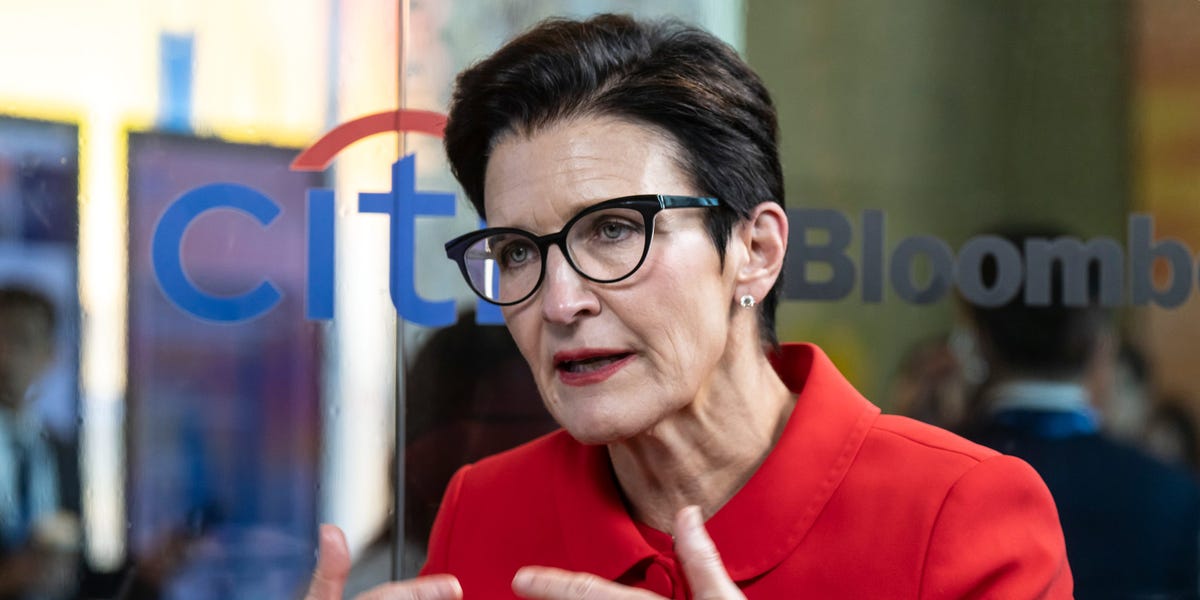
You can see the same instinct in Citi’s leadership push around culture transformation. Public markets love the phrase. Employees only believe it when the day-to-day gets simpler, fairer, and more coherent.
Employer Brand POV
Treat culture like software. Audit where it fails in real life: decision rights, manager quality, workload allocation, hiring friction, reward logic. Then fix one component at a time and tell the truth about what changed.
📌 Sources
 Alice Tecotzky
 James Robbins
 Alice Tecotzky

- https://employerbranding.news/what-i-learned-doing-recruitment-marketing-for-a-brand-nobody-wants-to-work-for/
- https://employerbranding.news/employer-branding-2026-new-bargain/
- https://www.ft.com/content/83d514d0-5553-4341-a225-02d8dd28ade3?syn-25a6b1a6=1
AI is becoming the excuse, the benchmark, and the budget line
This week’s most useful AI stories are not about shiny tools. They are about leadership framing.
Reid Hoffman’s reminder cuts through the convenient storyline: not every layoff is “because AI”. The label is attractive because it sounds strategic. It can also be a tidy cover for ordinary restructuring, overhiring hangovers, or margin pressure.
At the same time, executives are openly describing slower hiring because AI can lift output per person. That is a real shift. It also creates a new workplace tension: if the company expects more productivity, employees want clarity on what changes in return. Better pay. Better time. Better progression. Something other than “well done, now do more”.
Accenture’s Copilot rollout, Airbnb’s comments about “pure people managers,” and the broader debate about whether AI agents should be treated like employees all point to the same direction of travel. Organisations are rewriting job design. Some will do it with care. Some will do it with a spreadsheet and a cheerful internal memo.
Employer Brand POV
If AI changes expectations, spell out the trade. What work disappears, what work grows, what good looks like, and how performance is judged. If leadership cannot say that plainly, employees will assume the trade is one-way.
📌 Sources
TOI Tech Desk Emma Burleigh
 Matthew Kropp and Julie Bedard and Emma Wiles and Megan Hsu and Lisa Krayer

- https://timesofindia.indiatimes.com/technology/tech-news/uber-ceo-dara-khosrowshahi-admits-that-company-is-slowing-hiring-and-the-reason-is-ai-says-if-every-person-at-this-company-can-increase-their-productivity-by-/articleshow/130901246.cms
- https://timesofindia.indiatimes.com/technology/tech-news/as-accenture-announces-rolling-out-microsoft-copilot-to-743000-employees-ceo-julie-sweet-says-our-teams-are-/articleshow/130729934.cms
- https://www.cio.com/article/4165040/you-cant-train-your-way-out-of-the-ai-skills-gap.html
- https://techcrunch.com/2026/05/06/five-architects-of-the-ai-economy-explain-where-the-wheels-are-coming-off/
- https://finance.yahoo.com/sectors/technology/articles/tesla-former-hr-chief-ai-133000481.html
- https://timesofindia.indiatimes.com/technology/tech-news/after-20000-plus-layoffs-how-oracles-promise-to-sam-altman-is-hurting-banks-across-america-including-jpmorgan/articleshow/130724125.cms
- https://www.theguardian.com/technology/2026/may/07/no-one-has-done-this-in-the-wild-study-observes-ai-replicate-itself
- https://gript.ie/microsoft-ai-ceo-nearly-all-white-collar-jobs-gone-by-2027/
Boundaries are back, because burnout is expensive
The “always available professional” is having a quiet extinction event.
Fast Company’s piece on boundaries and burnout sits alongside a wider mood shift. Getting more done is not always a victory. Sometimes it is a demand disguised as praise. The moment productivity gains are treated as free capacity, people stop celebrating efficiency and start dreading it.
Layer in the generational time debate and you get a workplace that is negotiating a simple question: what does “on time” even mean now? The old answers were inherited from a different economy and a different home life. The new answers are being negotiated in messy, personal ways. Including public posts from Gen Z employees who have decided that “falling in love with your work” is not a personality trait. It is a trap.
Employer Brand POV
If your EVP includes wellbeing, show the operating rules behind it. Response time norms. Manager expectations. Meeting discipline. Escalation paths. Otherwise “wellbeing” becomes a nice word for “you are on your own”.
📌 Sources
Dr. Diane Hamilton Orianna Rosa Royle

- https://www.fastcompany.com/91522203/the-end-of-the-always-available-professional-workplace-burnout-boundaries
- https://www.moneycontrol.com/news/business/never-fall-in-love-with-your-work-gen-z-employee-shares-post-after-working-till-1-am-on-notice-period-13905318.html
- https://www.wsj.com/health/wellness/dont-get-too-comfortable-your-quality-of-life-depends-on-it-a4440a85
The quiet risks: shadow IT, discoverable texts, and “who said that?”
The modern workplace runs on unofficial systems.
VentureBeat’s shadow IT risk framing is not a tech story. It is a work story. When tools proliferate faster than governance, people solve problems locally. That is how productivity happens in the short term. It is also how risk compounds quietly in the background.
Then there is a less glamorous lesson from the OpenAI trial coverage: anything you put in writing can come back. Workplace texts are not casual. They are discoverable artefacts. If your organisation is handling sensitive issues through Slack, WhatsApp, or “quick texts,” you are writing tomorrow’s evidence pack today.
Finally, public sector AI usage adds another layer. When senior civil servants are using AI regularly, it becomes less of a “future of work” talking point and more of a present-day governance question: what is allowed, what is risky, and what gets trained on what.
Employer Brand POV
Trust is built when governance is visible. Not heavy. Visible. Clear tool lists, data rules, and simple guidance on what should never be put in writing. The goal is not paranoia. The goal is fewer avoidable messes.
📌 Sources
Ana Altchek and Tim Paradis Emmet Malone
 Chong Ee Rong

- https://venturebeat.com/technology/hidden-it-problems-are-quietly-creating-risk-shadow-it-and-lost-productivity
- https://theconversation.com/why-keeping-collaborative-remote-work-environment-options-open-is-key-for-business-innovation-281543
- https://www.economist.com/finance-and-economics/2026/05/07/deepseek-and-alibaba-rescue-chinas-office-landlords
- https://www.economist.com/business/2026/05/07/the-pros-and-cons-of-commuting
The Cut List
The Cut List is our weekly roundup of layoffs and restructuring moves, focused on what changed, what it means for talent confidence, and what people leaders should do next.
What moved
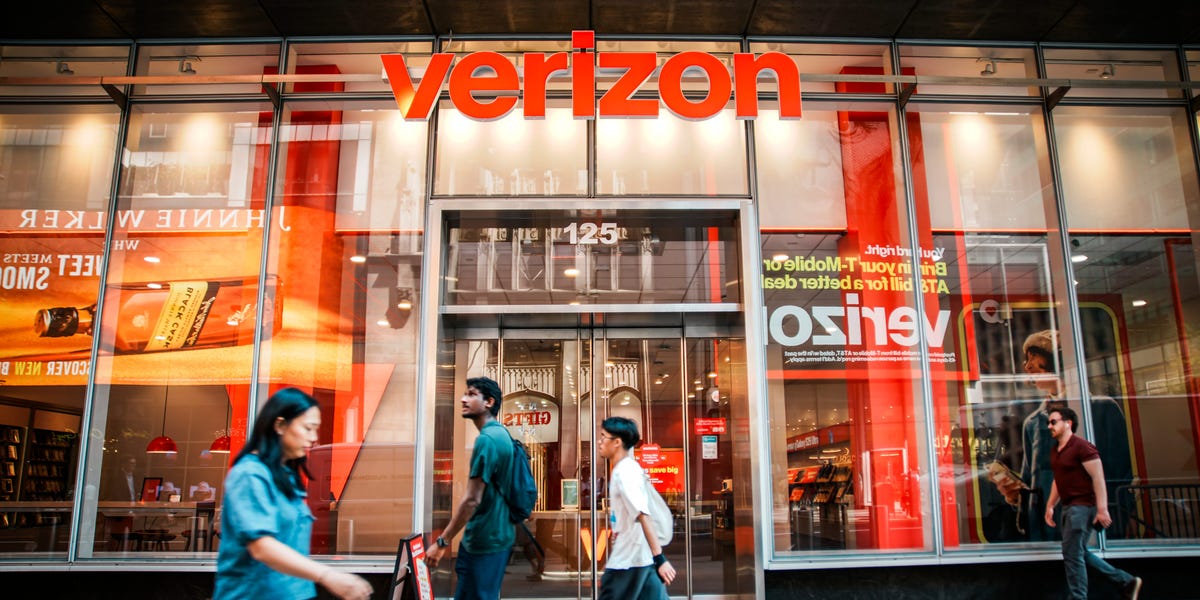
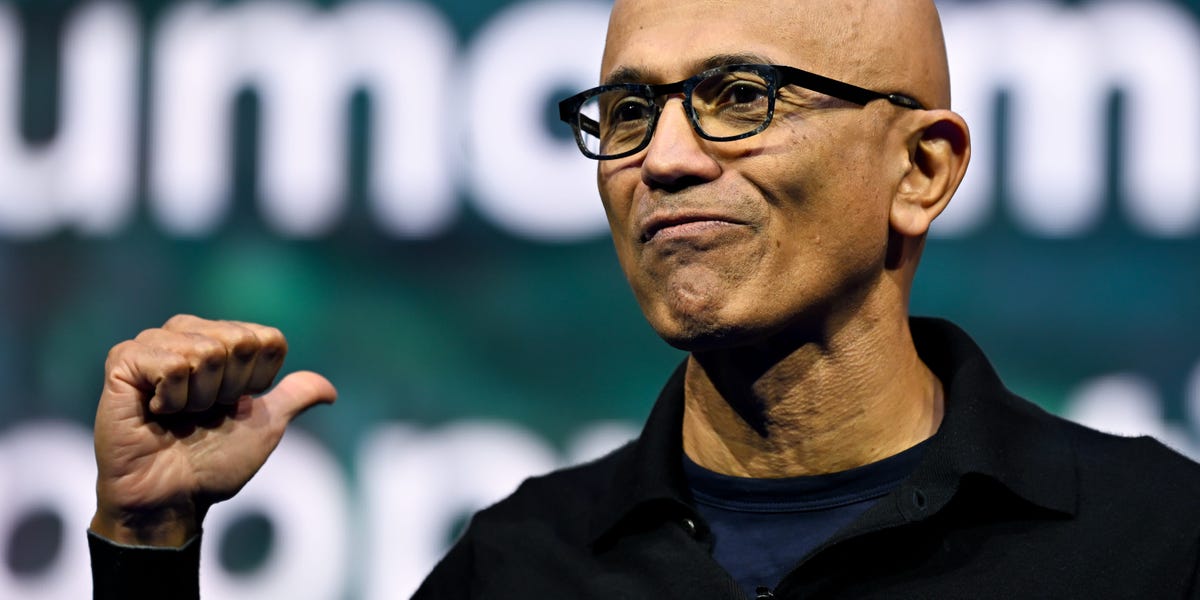
Coinbase is cutting around 14% of staff. Verizon is making another round of job cuts. Microsoft’s buyout offers show how “voluntary” programmes are being used to shape headcount. Meta’s HR leadership messaging signals that further reductions remain a live possibility.
What it means
The market has learned to translate corporate language. “Lean.” “AI-native.” “Efficiency.” People hear “more work for fewer people,” and they behave accordingly.
Employer Brand POV
If you restructure, communicate plainly, treat people with dignity, and explain what happens next: support, rehiring lanes, and what the hiring plan looks like now. Silence creates anxiety. Over-polished messaging creates cynicism.
📌 Sources
Marco Quiroz-Gutierrez Dominick Reuter
 Ashley Stewart
- https://timesofindia.indiatimes.com/technology/tech-news/meta-hr-head-on-will-there-be-more-layoffs-after-8000-job-cuts-on-may-20-we-will-continue-to-/articleshow/130671338.cms
- https://timesofindia.indiatimes.com/technology/tech-news/linkedin-co-founder-reid-hoffman-has-a-reminder-for-everyone-on-ai-layoffs-its-important-not-to-ignore-/articleshow/130896300.cms
Closing thoughts
This week’s pattern is not subtle. The employee deal is tightening. The measurement layer is thickening. And the organisations that handle it badly will pay twice, first in attrition, then in reputation.
Employer branding is no longer the art of sounding appealing. It is the discipline of being coherent.
Unnamed CHRO