


A pattern is hardening across big employers.
AI is changing skills and workflows, but it’s also changing management posture. More measurement. More “adapt or fall behind” messaging. More pressure to standardise performance and presence. In the background, engagement is sagging and hiring is cautious, which makes organisations reach for control.
This week’s reading links four threads: HR rebuilding its foundations under uncertainty, workers using AI as a negotiation and coping tool, visibility and monitoring creeping into daily life, and the ongoing narrative battle over what “AI layoffs” are really about.

Your employees know the truth. Does your EVP? At Fathom we measure the "Credibility Gap" between your promise and their reality.
This Week’s Paper Cut's
Watch or listen here ↯
We keep tracking to a minimum. The video is hosted on YouTube and the podcast is hosted on PodBean, which may place cookies that measure viewing and personalize content. We only load the player after you consent to these cookies. You can update your cookie settings any time.
HR is rebuilding foundations as engagement slides
If you want the plain-language version of where people teams are right now, it’s this: the ground is moving and the basics need reinforcing.
HCA frames HR in 2026 as rebuilding foundations under uncertainty, with AI and analytics raising the stakes for what good workforce decision-making looks like. The story isn’t “HR needs more dashboards”. It’s “HR needs better confidence in what the data means and what interventions actually work”.
HR Dive’s engagement piece sharpens the urgency. When engagement hits a low point, organisations can’t rely on culture messaging to do the heavy lifting. Low engagement shows up as slower adoption, weaker discretionary effort, and more quiet churn. It also changes how people interpret every new rollout. If the mood is already sour, “transformation” reads as “more asked of you”.
CNBC’s skills coverage adds another layer: companies are rethinking job skills and what counts as “future-ready”. Inc’s deskilling piece points to the uncomfortable risk inside that shift. When automation takes over routine work, some employees lose opportunities to practice the fundamentals that made them valuable in the first place. That isn’t a future problem, it’s a near-term capability issue.
Employer Brand POV
If you’re rebuilding credibility, start with clarity. What’s changing in roles, what isn’t, and what support is real. Treat engagement as operational, not emotional. Fix the frictions that make work harder, and give managers the tools to run change consistently. “We care” lands better when people can feel it in how decisions are made.
📌 Sources
 Jack Campbell

 Ian Thomas

 TOI Tech Desk

- https://www.hrdive.com/news/worker-engagement-lowest-level-in-a-decade/815821/
- https://www.inc.com/andrea-olson/how-ai-automation-is-quietly-deskilling-white-collar-workers/91316067
- https://timesofindia.indiatimes.com/technology/tech-news/microsoft-hr-head-makes-it-clear-to-employees-that-its-time-to-change-says-get-rid-of-old-/articleshow/129814434.cms
- https://www.forbes.com/sites/juliekratz/2026/03/18/5-signs-your-leadership-is-fueling-the-great-pile-on/
Workers are using ChatGPT for wages, and the market is tightening
A notable shift this week is that “AI at work” isn’t only about employers deploying tools. It’s also about workers using AI to navigate a harder market.
HR Dive reports workers messaging ChatGPT about wages. OpenAI’s own post on compensation insights adds the institutional angle: this is being positioned as a way to help workers understand pay ranges and negotiation dynamics.
At the same time, the market mood remains cautious. CNBC’s “low-hire, low-fire” framing suggests many employers are reluctant to expand headcount quickly, even if they aren’t cutting aggressively. Reuters jobless-claims coverage provides a baseline view of labour market conditions.
And when the market tightens, behaviours shift. Business Insider reporting on large numbers of employees taking pay cuts fits the same pattern: less leverage, more compromise, more risk pushed to individuals.
Employer Brand POV
If candidates are turning to AI just to decode wages and fairness, you have an information gap. Close it. Make pay bands, progression rules, and promotion criteria clearer. Your employer brand doesn’t need more adjectives. It needs fewer mysteries.
📌 Sources
 Aki Ito

- https://www.hrdive.com/news/workers-send-messages-to-chatgpt-about-wages-openai/815689/
- https://openai.com/index/equipping-workers-with-insights-about-compensation/
- https://www.cnbc.com/2026/03/25/iran-war-low-hire-low-fire-job-market.html
- https://www.reuters.com/world/us/us-weekly-jobless-claims-increase-slightly-2026-03-26/
- https://finance.yahoo.com/news/75-resumes-never-reach-human-123000358.html
Monitoring and RTO are back, often dressed as “wellbeing”
There’s a specific kind of corporate messaging to watch: when tighter controls arrive wrapped in softer language.
The JPMorgan monitoring story is a classic example. The framing, in coverage, is about managing junior banker workload and wellbeing. The mechanics described are about visibility into hours and activity. Whether it improves wellbeing depends on what leaders do with the data, and whether employees trust the intent.
RTO pressure is also showing up in more direct forms. Business Insider reports on Paramount-Skydance requiring some remote employees to relocate, a reminder that “hybrid” can quickly become “move or exit” depending on who holds the power.
Then there’s the time design layer. Microshifting coverage points to people breaking work into blocks to cope with competing demands. It can be a genuine flexibility pattern, or it can be a symptom of work that no longer fits into a stable day. Which one it becomes depends on management expectations, not employee creativity.
Employer Brand POV
If you introduce monitoring, don’t pretend it’s invisible. Tell people what’s collected, who sees it, and what it’s used for. If you tighten presence rules, publish the real criteria and exception logic. The fastest way to lose trust is to enforce quietly and explain later.
📌 Sources
 Emma Burleigh

 James Faris

 Print this Article View Comments

Talent wars and the AI layoff narrative battle
In some organisations, the story is scarcity. In others, it’s reshaping. Often, it’s both in the same quarter.
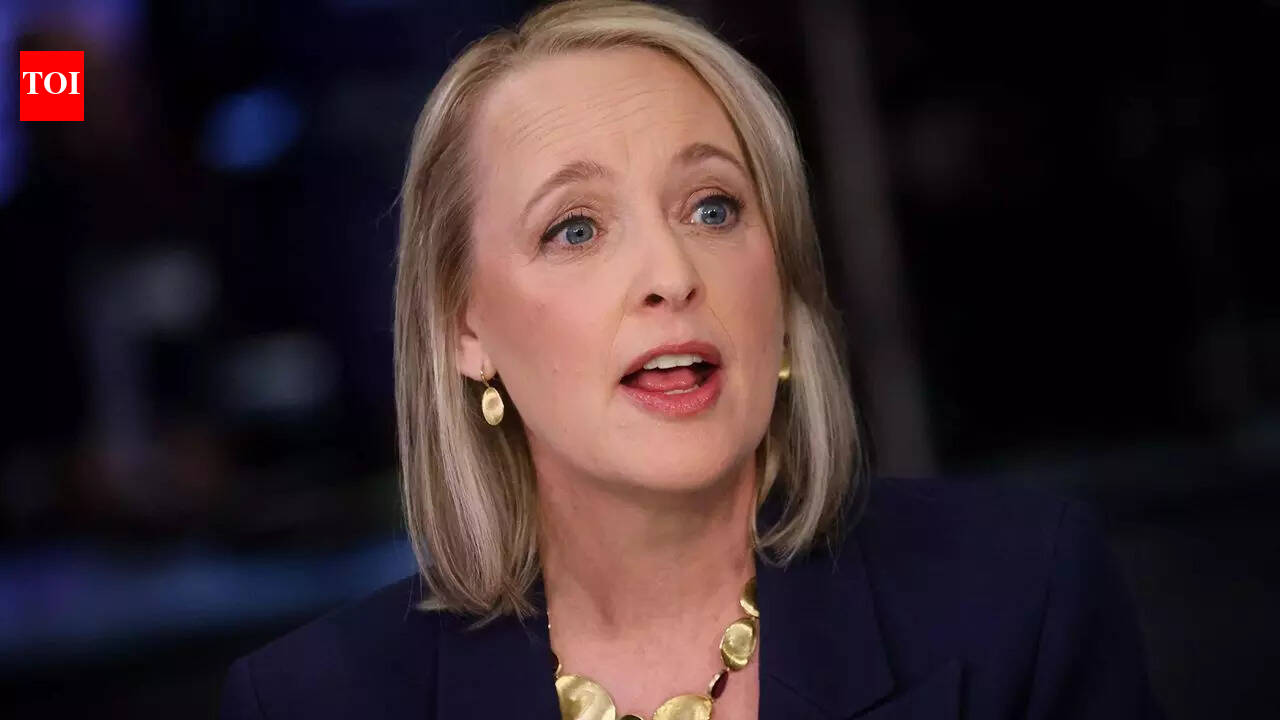
TechTimes reports Apple offering sizable retention incentives for iPhone design talent amid competition from AI labs. Times of India also reports on leaders framing promotion as contingent on learning AI skills. Whatever your view on these approaches, the direction is clear: in-demand talent is being pulled closer, and “AI fluency” is becoming a gate.
On the other side of the conversation is the narrative around layoffs. Times of India reports commentary from Perplexity’s CEO about AI layoffs. In parallel, RTE’s Brainstorm piece on AI investment and jobs in the tech sector brings a more structural lens to the same question: how financial incentives and investment cycles shape workforce decisions.
This is where employer brand leaders need to be careful. The AI narrative can easily become a shield for ordinary cost control, or a blunt justification for decisions that are really about margins, investor expectations, or organisational design.
Employer Brand POV
If you’re saying AI changes roles, show the pathways. If you’re saying people need AI skills to progress, fund the learning time and make the criteria clear. If you’re talking about layoffs, don’t hide behind inevitability. Explain the real business rationale, the support, and what comes next.
📌 Sources
 Jose Enrico

 TOI Tech Desk
 TOI Tech Desk

 Jean Cushen

 Phillip Miller

The Cut List
The Cut List is our weekly, structured roundup of layoffs, freezes, and restructures, focused on what changed, what it means for talent confidence, and what people leaders should do next.
What moved
- Microsoft reportedly froze hiring in major cloud sales groups.
- Meta reportedly cut hundreds of employees across multiple divisions.
- IBM continues to face layoffs chatter and internal anxiety, with employees describing ongoing uncertainty.
- Epic’s CEO described a “once-in-a-lifetime” quality of resumes flowing into the market after the company’s layoffs.
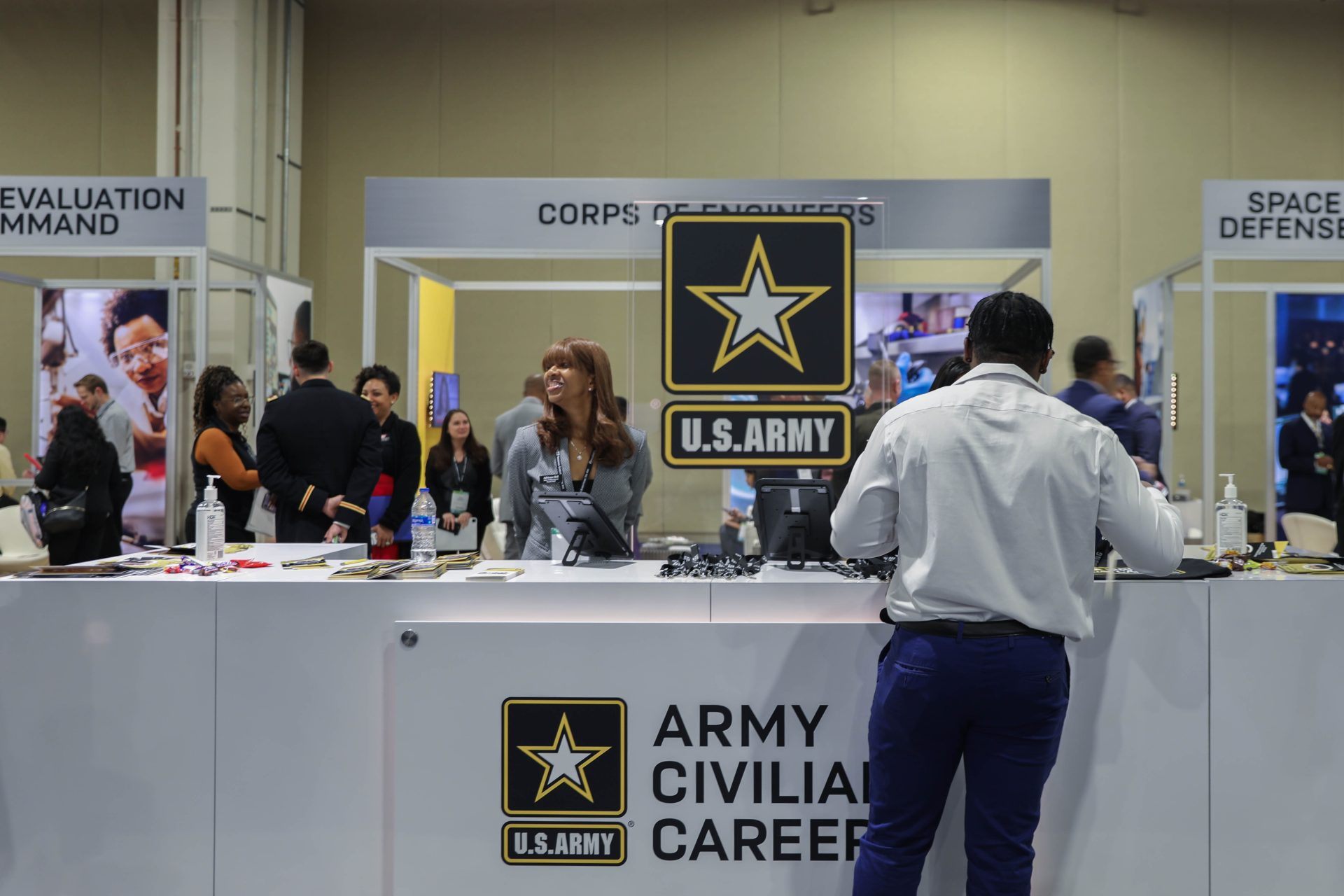
- The U.S. Army is rebalancing its civilian workforce, with reassignment and separation pathways being described in coverage.
What it means
A market can look stable in the aggregate while still feeling volatile to workers in specific sectors. Hiring slows, internal mobility tightens, and the perception of risk rises.
Employer Brand POV
In volatile conditions, people trust process more than reassurance. If you’re freezing hiring, say what it means. If you’re cutting, explain support and timelines. If you’re reassigning, explain criteria and options. Clarity is a retention strategy.
📌 Sources
 Emily Lorsch

 Charles Rollet
 Rory Norris

 dlawrence
- https://www.reuters.com/business/world-at-work/microsoft-freezes-hiring-major-cloud-sales-groups-information-reports-2026-03-26/
- https://sg.finance.yahoo.com/news/many-employees-ibm-2026-layoffs-234003251.html
- https://www.wsj.com/cfo-journal/block-cfo-says-deep-job-cuts-from-ai-are-an-inevitability-for-companies-672a7dc3
Closing thoughts
This week’s theme isn’t “AI is here”. It’s that management is changing around it.
More monitoring. More skill gates. More cautious hiring. More pressure to make uncertainty feel like a plan.
Employer brand teams can’t control the macro, but they can control whether work feels coherent. If people understand the rules, they can adapt. If they don’t, they disengage, and they leave.
 EBN