


If last year was the Great Freeze, this week felt like the thaw you don’t want. Big employers moved from low-hire, low-fire to surgical staff cuts, with HR itself on the block. At the same time, a new class of AI agents is quietly swallowing entry-level work. You can call it efficiency. Your people call it a dead-end ladder.
The tension isn’t just headcount. Leaders are still pushing bodies back to offices while the evidence on hybrid efficacy remains patchy and painfully context-dependent. Add rising discontent and burnout, and you’ve got a brand problem disguised as an operating model.

Helping HR, talent acquisition, employer branding, and company culture professionals find careers worth smiling about.
Here’s where the signal lands: layoffs as policy, agents replacing rungs, attendance wars, and morale as the real KPI. We interpret the headlines and turn them into choices you can act on.
This Week’s Paper Cut's
Jump to the video edition of this article, or listen here ↯
We keep tracking to a minimum. This podcast is hosted on PodBean, which may place cookies that measure viewing and personalize content. We only load the player after you consent to these cookies. You can update your cookie settings any time.
The Freeze Cracks: From Hoarding to Cuts
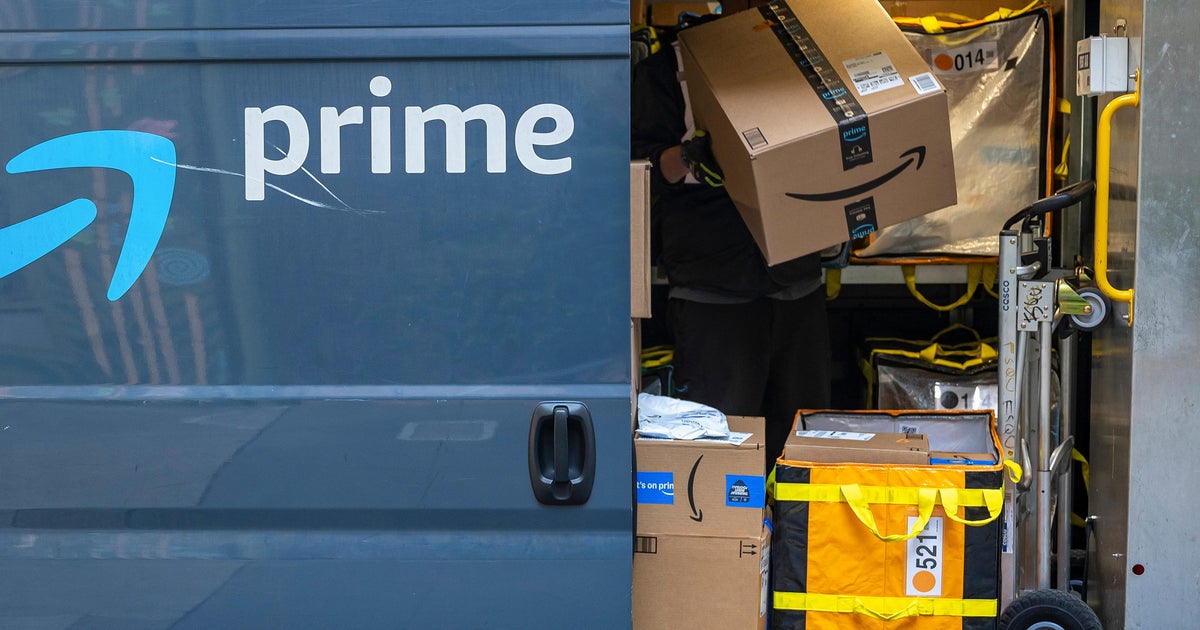
“Low-hire, low-fire” bought time. It didn’t buy strategy. Major employers are now cutting, and the narrative is coherent: optimize for AI, lower middle management layers, and de-risk 2026. HR isn’t spared. When the function that hires and develops talent is trimmed, you’re not just resizing. You’re trading future capacity for a quarterly story. CBS tallied fresh waves across logistics and tech. CRN reports HR reductions tied directly to AI “efficiency gains.” That’s not a cycle. That’s a playbook.
Candidates see it in real time. Amazoners are posting layoff stories on TikTok and LinkedIn, and local effects show up fast: Bay Area chip supply rules ripple into Applied Materials cuts, while other corporates warn of more. The message to the market is simple: movement will be forced, not managed. If you don’t narrate the why, the internet will.
Employer Brand POV:
Cut cleanly, explain causality, and publish the rebuild. If AI motivates reductions, say which tasks go away and what new work appears. Fund a talent concierge for internal moves the minute layoffs land. Silence is a strategy. It just isn’t yours.
📌 Sources:
 Aimee Picchi Associate Managing Editor, MoneyWatch
 Mark Haranas
 Jordan Hart

 Stephen Council

- https://www.cnbc.com/2025/10/27/amazon-to-announce-sweeping-corporate-job-cuts-starting-tuesday.html
AI Eats the First Rung
Junior work is becoming code. Vercel trained an agent on its best SDR and went from ten reps to one human plus a bot. Ex-consultants are now training models to do their old slide-making. Inside big banks, leaders are openly tying headcount to AI “efficiencies,” with more waves flagged. This isn’t hype. It’s the starter-job supply chain being retooled.
Counterpoint: the “AI will take all jobs” theater wastes time. The real economy is messier. Some firms will use agents to level up humans. Others will use them to avoid hiring juniors. Meanwhile, chipmakers are locking in scarce skills with equity-rich “golden handcuffs,” proving the market is bifurcating: automate the bottom, gild the top. If your EVP still sells “early career velocity” without a path to mastery in an agent-heavy workflow, candidates will call bluff.
Employer Brand POV:
Redesign the ladder. Convert entry work into paid apprenticeships tied to agent supervision, human judgment, and domain craft. Publish the “AI-plus” curriculum by role. Show how a year with you compounds value faster than a year with a bot.
📌 Sources:
 Lakshmi Varanasi

 Omar El Chmouri

 TOI Tech Desk

 Hugh Langley

 Joel Hron

RTO, Hybrid, and the Attendance Arms Race
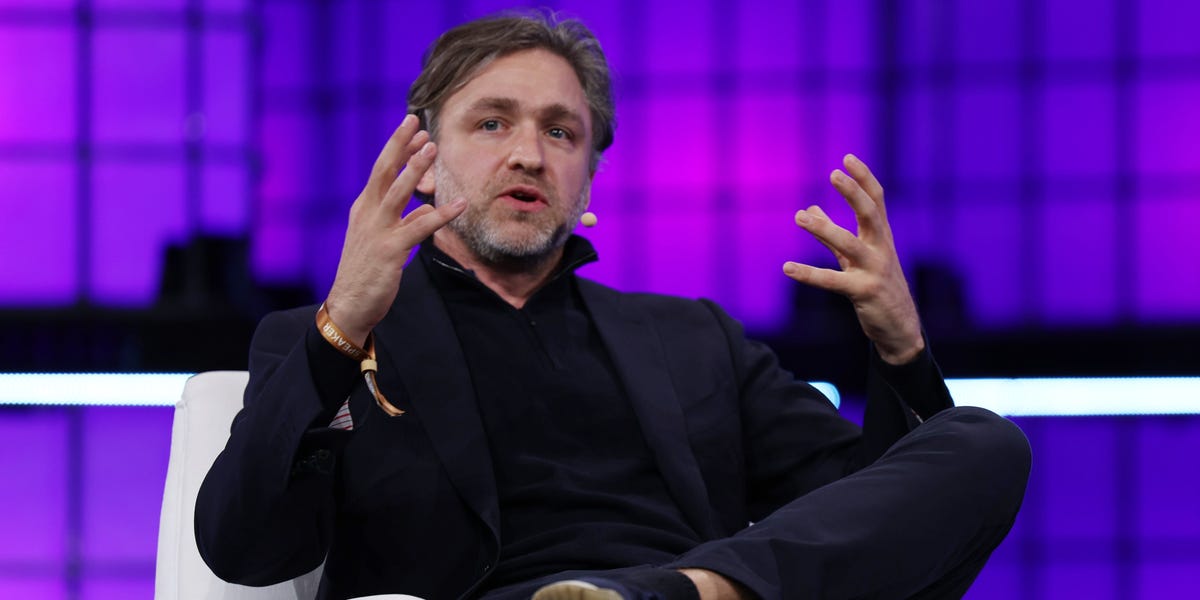
Return-to-office pushes are back, with finance leading the charge. It’s a values test disguised as a policy. Leaders cite collaboration. Employees see control. Meanwhile, a remote-first CEO argues most hybrids fail because they’re vibes, not systems, and offers an 80/20 design that protects deep work and team cohesion. Government dabbling in WFH policy adds more heat, less light. The risk is obvious: turn flexibility into theater, lose trust at speed.
America’s white-collar “new normal” looks like a stalemate: attendance mandates meet talent that learned to thrive asynchronously. This isn’t about where you work. It’s about how work works. Teams with crisp rituals beat badge-tap counting every time.
Employer Brand POV:
Pick a model you can run on Tuesday and measure by Friday. Publish your collaboration contract. Protect maker time. Tie office time to outcomes people care about. Attendance is not culture. It’s a setting.
📌 Sources:
 Ana Altchek
 Danielle Wood

- https://qz.com/jpmorgan-jamie-dimon-renews-return-to-office-push
- https://www.wsj.com/lifestyle/careers/americas-new-normal-for-white-collar-jobs-85440ca5
Morale, Burnout, and the Narrower Funnel
Discontent is rising across industries. Burnout advice is plentiful. Structural fixes are not. In a cooling market, opportunity narrows even as expectations climb. Singapore’s data points to a brutal split: most tech talent faces fewer openings, while the top slice stays in demand. In short, workers feel squeezed, and the ladder just got steeper.
Add layoffs via video calls and awards lists celebrating the “best” employers for engineers. Signal clash much? If you publish accolades while quietly trimming teams, expect skepticism. Fix the work. Then market the work.
Employer Brand POV:
Treat morale as a product. Map friction in the employee journey and remove one blocker per quarter. Build internal mobility into business planning so people can move before markets force them to.
📌 Sources:
 Rebecca Knight

 Young Zhan Heng

 TOI Tech Desk

- https://www.inc.com/minda-zetlin/weve-talked-about-burnout-for-decades-heres-how-to-finally-solve-it/91257438
- https://www.thestreet.com/employment/amazon-makes-cold-move-that-raises-nationwide-workplace-fears
- https://www.forbes.com/sites/rachelpeachman/2025/10/28/meet-americas-best-employers-for-engineers-2026/
Closing Thoughts
Leaders keep asking if AI “takes jobs.” Wrong question. It’s already taking tasks, which means it’s quietly taking ladders. Your brand lives or dies on whether you replace those rungs with real craft, not slogans.
If you do only three things: publish your AI-plus ladder, make hybrid a system not a mood, and narrate workforce shifts like adults. You’ll sound rare because you are.
Video Edition
🎥 Prefer to watch? Check out the video edition of Paper Cut for sharp takes on this week’s biggest trends in employer branding and HR.
We keep tracking to a minimum. This video is hosted on YouTube, which may place cookies that measure viewing and personalize content. We only load the player after you consent to these cookies. You can update your cookie settings any time.
 EBN