


What if the future of work is less work? While Big Tech trims head‑count and investors foretell an 80 percent robo‑takeover, a fresh wave of four‑day pilots is quietly rewriting the rule book. This edition slices through the panic. We pair brutal layoff maths with the subversive hope of a 32‑hour week, then test whether Gen Z’s coping hacks are ambition or avoidance. Buckle up—there’s more utility here than a Swiss Army knife.
Where we're going this week:
- Shorter weeks as a retention play.
- Layoffs that aren’t called layoffs.
- The manual‑labour pivot nobody saw coming.
- Hiring grids that feel like wet concrete.
This Week’s Paper Cut's
Jump to the video edition of this article or listen here ↓↓↓↓
Shorter Weeks, Sharper Output
The UK’s latest six‑month trial wrapped with all 17 firms locking in Fridays off. Revenue nudged up, sick days fell, and managers stopped muttering “where’s Bob?” because they knew, Bob was paddle‑boarding.
Stateside, a CNN‑syndicated study echoed the gains, while South Korea’s Incheon City hall is trimming hours for pregnant staff. Less keyboard time, more loyalty; that’s the pattern.
Executives who once tied productivity to presenteeism now face data contradicting them. If a 32‑hour week can keep output steady, the employer‑brand dividend is obvious: scarce talent flocks to the company that gifts back time.
Employer Brand POV:
Treat the four‑day week as a signal, not a perk. It says you trust people and measure impact, not chair‑warmth. If budget blocks a blanket rollout, pilot it in burnout‑prone teams first, then shout about the results.
📌 Sources:

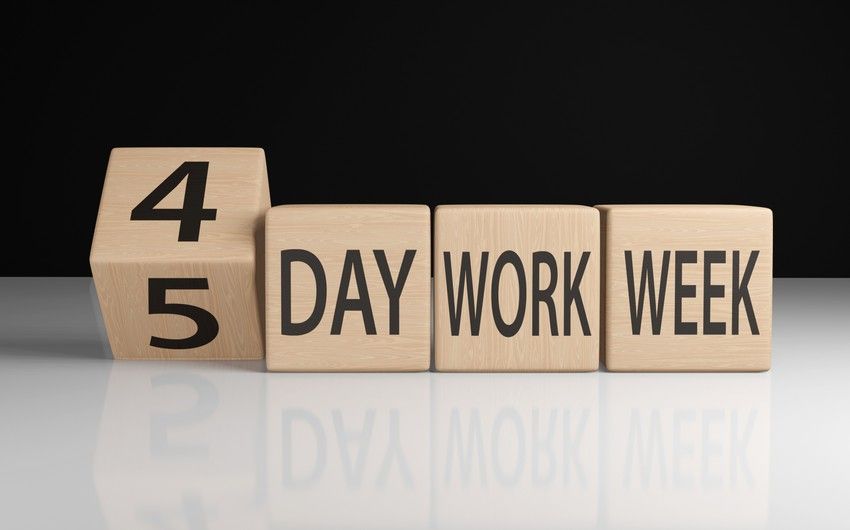
17 companies switch to 4-day work week in UK
 CNN
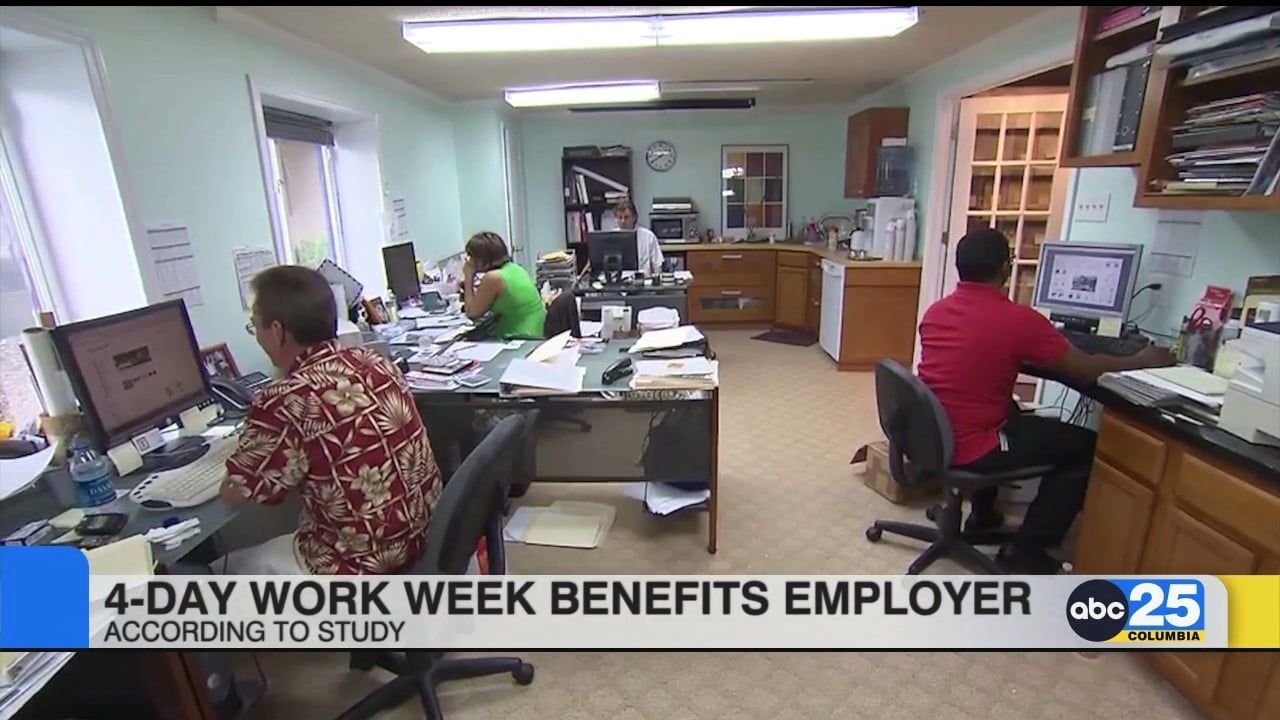
Study: 4 day work week benefits employers
Layoffs in Disguise
Microsoft sliced 4 percent of roles “to fund AI,” while Amazon told 350,000 staff to move zip codes or move on.
Newsweek is now publishing monthly layoff league tables; June’s tally topped 100k. Yet the language is mutating: voluntary buyouts, “relocation filters,” quiet phase‑outs. The message to candidates? Job security is a vintage concept.
Talent teams meanwhile discover that boilerplate empathy emails cannot mask the optics of forced churn. Alumni networks notice; Glassdoor notices faster.
Employer Brand POV:
If you must cut, own it. Explain the business logic in plain English, offer coaching, and keep alumni close. Ghosting ex‑employees is reputation‑arson.
📌 Sources:
 Nick Mordowanec

Newsweek is now publishing monthly layoff league tables; June’s tally topped 100k
 Bellatrix New

Amazon Orders 350,000 Employees To Relocate Or Resign Without Severance
- Microsoft to cut about 4% of jobs amid hefty AI bets https://www.reuters.com/business/world-at-work/microsoft-lay-off-many-9000-employees-seattle-times-reports-2025-07-02/
- Are buyouts replacing layoffs? How big tech is quietly cutting jobs https://indianexpress.com/article/technology/artificial-intelligence/are-buyouts-the-new-layoffs-why-big-tech-is-quietly-paying-workers-to-leave-10080174/
AI Angst, Manual Muscle
Gen Z is skipping college to learn plumbing; British data show entry‑level office roles down 32 percent since ChatGPT’s debut. Investors like Vinod Khosla claim 80 percent of jobs will vanish by 2030; 87 percent of bosses quietly agree. Yet IBM’s own experiment tells a twist: after automating HR, it rehired for sales and creativity, net‑neutral on head‑count.
Meanwhile, bored workers now dispatch AI note‑takers to Zoom calls so they can actually work or nap. Robots in meetings, humans on ladders; the labour market is inverting.
Employer Brand POV:
Upskilling beats whack‑a‑mole layoffs. Map which roles migrate to human‑plus‑AI rather than human‑minus‑job. Offer trade‑school‑style apprenticeships for digital roles; it counters the narrative that only plumbers have stable futures.
📌 Sources:
 Orianna Rosa Royle

Gen Z is ditching college for ‘more secure’ trade jobs, but building inspectors, electricians and plumbers actually have the worst unemployment
 Stephen Davies

Britain’s young would be better off doing manual labour than going to university
 Ashley Lutz,Fortune Intelligence
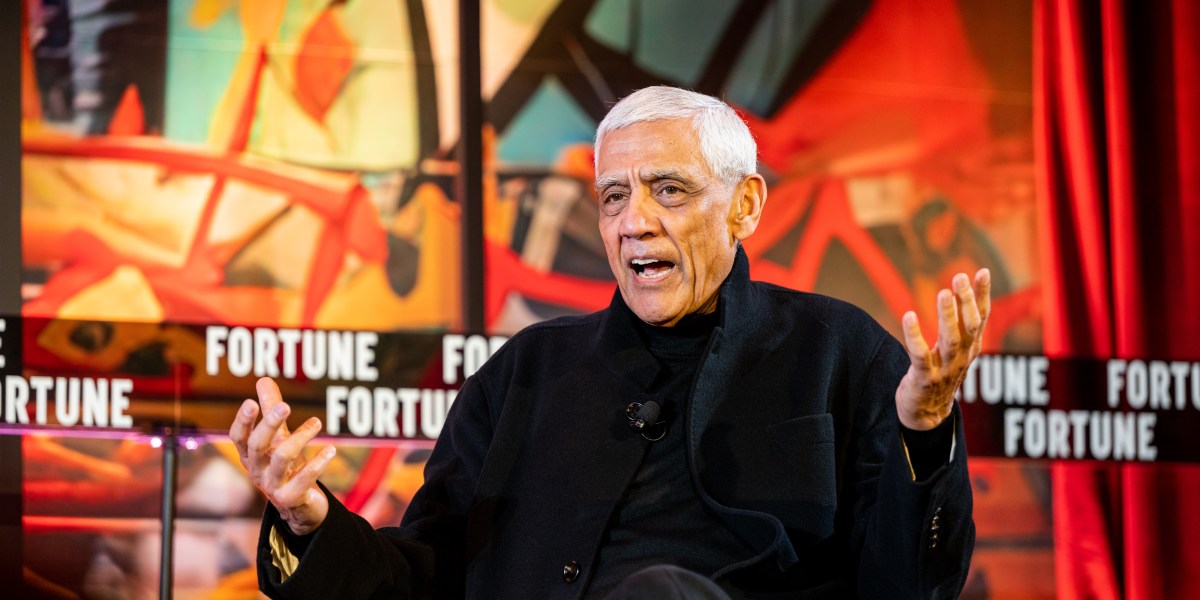
Silicon Valley investor Vinod Khosla predicts AI will replace 80% of jobs by 2030 and take much of the Fortune 500 with it
 Brit Morse

87% of business leaders think AI agents will replace human employees if companies don’t make big moves to upskill their workforce
 Juliette Dubois

IBM Lays Off 8,000 Employees for AI Automation, Only to Rehire Just as Many Soon After Because Of…
- No one likes meetings. They’re sending their AI note takers instead https://www.washingtonpost.com/technology/2025/07/02/ai-note-takers-meetings-bots/
Etiquette Coaches and Endless Hiring Loops
Hiring now takes longer than a Marvel reboot. Robert Half pegs the delay at 93 percent of managers. While candidates wait, Gen Z employees are booking $350‑an‑hour etiquette courses to decode office life, or “task masking” to look busy under ever‑watchful bosses. Some workdays now stretch into midnight; others fear a mandated 10‑hour shift.
When form trumps function, productivity dies and so does employer reputation.
Employer Brand POV:
Streamline interviews. Two rounds, max. Publish timelines so candidates trust the process. For new hires adrift in etiquette grey zones, swap pricey coaches for clear norms: video‑on or off, Slack after hours, yes or no. Transparency beats training.
📌 Sources:
 Carolyn Crist

Nearly all hiring managers say the process takes longer than 2 years ago
 Kolette Lim

US firms hire etiquette coaches to rein in Gen Z employees
 Jenna Zaza

‘I feel completely drained’: young professionals swamped by ‘infinite workdays’
 ET

Genpact issues clarification on 10-hour workday after backlash
Closing Thoughts
If 2024 was the year of return‑to‑office, 2025 is shaping up as return‑to‑reality. Talent is calling time on infinite workdays while boards chase infinite efficiency.
The winner? Likely the firm that offers four sane days, ruthless focus, and truthful comms. Your move.
Video Edition
🎥 Prefer to watch? Check out the video edition of Paper Cut for sharp takes on this week’s biggest trends in employer branding and HR.
Watch Paper Cut’s rundown on four‑day weeks, stealth layoffs and the AI skill shuffle.
 EBN