


This week the labor market stopped whispering and started reporting. Challenger’s October print hit a two-decade high, with AI cited right alongside cost cutting. Translation: the pink slips are real, the reasons are changing, and the optics matter. If you thought “jobless boom” was a Twitter phrase, it is now a board agenda.
Meanwhile, the pipeline has a new leak. Palantir is hiring high-schoolers, Fortune is yelling about hard skills, and the debate over degrees is back. On culture, the office vs home argument is a decoy. The real drag is shaky middle management and performative hybrid rules. And while HR headlines usually get shunted to page 12, this week they belong on page one: talent is the make-or-break of transformation.

Helping HR, talent acquisition, employer branding, and company culture professionals find careers worth smiling about.
Here’s the cut: count AI’s impact with clarity, build skills-first pathways, train managers like you mean it, and let HR drive growth, not just policy.
This Week’s Paper Cut's
Jump to the video edition of this article, or listen here ↯
We keep tracking to a minimum. This podcast is hosted on PodBean, which may place cookies that measure viewing and personalize content. We only load the player after you consent to these cookies. You can update your cookie settings any time.
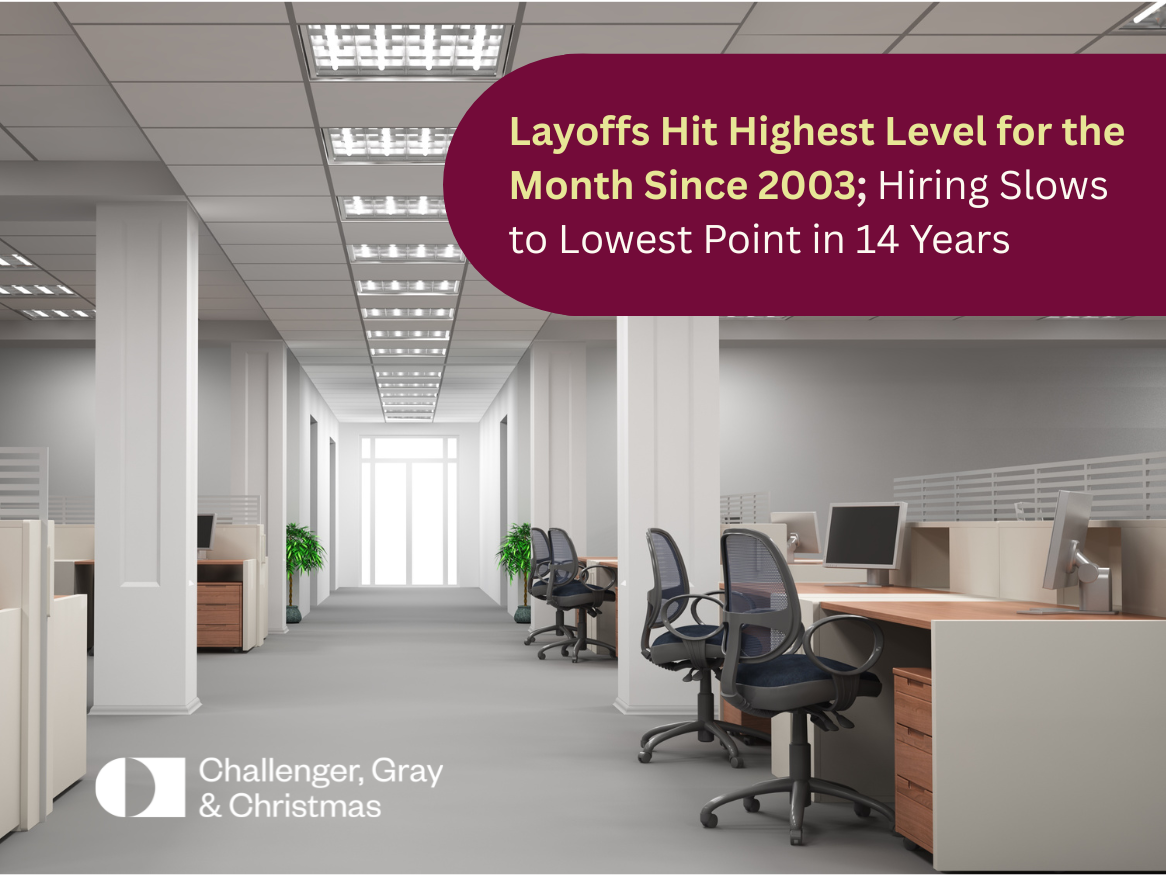
Layoffs Go Transparent: Start Counting AI
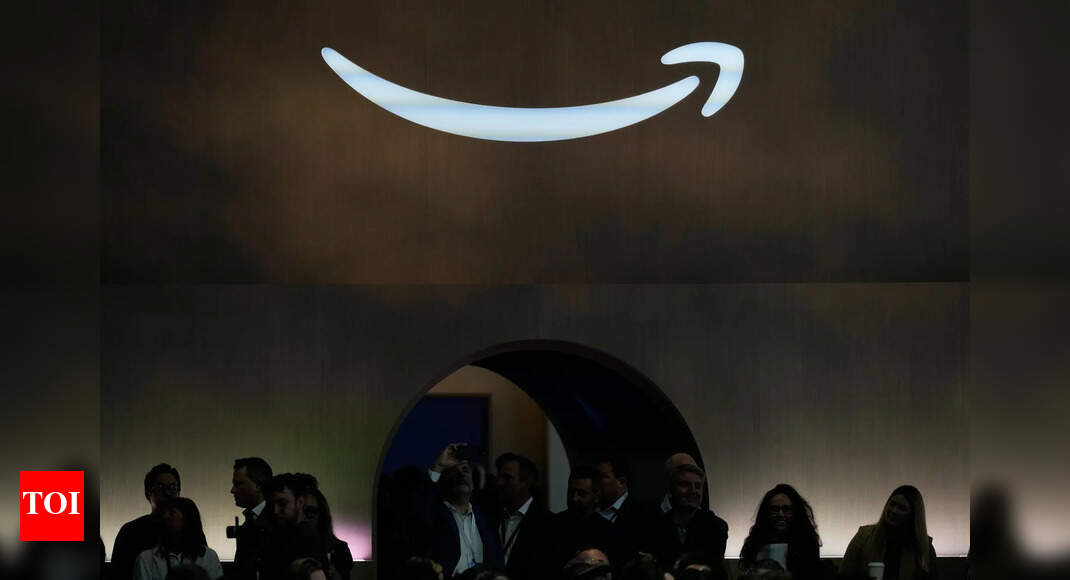
Companies announced 153,074 job cuts in October - the most for any October since 2003. Analysts called it a jobless boom: strong profits, weak ladders. The new twist is accountability. Regulators are eyeing rules to force companies to report how many roles were cut because of AI. Expect less hand-waving and more numbers - which is awkward if your narrative is “AI frees people for higher-value work” while you quietly rehire because the bots underdelivered.
The story behind the headline: enterprise tech is restructuring at speed, government workers report disruption at triple the national rate, and even global exits are back on the table. If you replace human processes with brittle automation, the backdraft hits culture, quality, and ultimately cost. The market is learning this in public.
Employer Brand POV:
Publish your workforce math. Split reductions by category: efficiency, strategy, and automation. Offer reskilling with real end states, not webinars. Where AI eliminates steps, show the new craft path. If you must cut, narrate the talent strategy that follows - roles redesigned, skills funded, and managers accountable for outcomes.
📌 Sources:
 Colleen Madden Blumenfeld
 Aimee Picchi Associate Managing Editor, MoneyWatch

 Jess Kinghorn

 Drew Friedman
 Wency Chen
- https://www.reuters.com/business/world-at-work/layoffs-us-october-surge-two-decade-high-challenger-data-shows-2025-11-06/
- https://www.techspot.com/news/110139-new-data-shows-companies-rehiring-former-employees-ai.html
Culture Ultimatums: Agree Or Quit
Leaders are stress-testing loyalty in public. “Agree or quit” plays well on stage and poisons the hallway. It buys a week of compliance and a year of attrition. You do not get culture. You get silence. Candidates clock it too. Ultimatums turn your EVP into a warning label that your managers cannot absorb dissent or nuance.
The memo class is doing the same thing in softer words. “Focus,” “AI usage,” and ratings tied to tooling are performance theater if they replace goals, coaching, and clear operating rhythms. Measure outputs, not prompts. When you score people on tool usage, you will get tool usage. Not value. That is how trust dies and shadow attrition starts.
Employer Brand POV:
Publish a working contract. No loyalty tests. Set outcomes, not edicts. If AI fluency matters, define proficiency by business impact and pair it with training and time. Create dissent channels that protect truth-tellers. Audit manager behavior for ultimatum tells. Reward leaders who convert disagreement into better decisions.
📌 Sources:
 Sarah E. Needleman

 Henry Chandonnet
 TOI Tech Desk
 James Booth

 Clare Duffy

Degrees Or Deliverables? The Skills Reset
Palantir openly says colleges aren’t a reliable training ground and brought in 22 high-school fellows. Fortune’s Gen Z coverage pushes hard skills, not vibes. Zoom out and the BCG data is the kicker: socioeconomic background still shapes workplace success. Skills-first hiring sounds meritocratic until access, time, and money warp the field. If you drop degree screens without building structured learning, you’re just moving the goalposts.
Gen Z isn’t anti-work. They’re anti-nonsense. They want ladders that aren’t sawed off at the first rung by automation or credential snobbery. The smart employers will create apprenticeships that ship value within 90 days and formalize conversion paths. Make the skills portable, the projects real, and the feedback fast.
Employer Brand POV:
Rewrite job requirements in skills, not proxies. Pair paid fellowships with accredited credits or badges. Publish time-to-competence for early careers. If AI handles grunt work, make your growth path about judgment, domain depth, and stakeholder trust.
📌 Sources:
 Emma Burleigh

 Eleanor Pringle

 Stephen Hosie

Hybrid Isn’t The Villain. Management Is.
MIT Sloan calls it: hybrid fails when leadership does. The home vs office fight is a smokescreen for weak goal setting, inconsistent rituals, and manager theater. Meanwhile, “microshifting” is trending - flexibility broken up into slices that often add up to longer days. And some firms are now rating staff on AI usage, while building shiny offices to signal “together is better.” Tools and towers won’t fix bad management. Training will.
If you want productivity, measure it. If you want presence, say why. Hybrid only works when teams know what good looks like, have autonomy to get there, and aren’t punished for using flexibility. The middle manager remains your critical path - equip them or expect churn.
Employer Brand POV:
Set three things: team operating rhythm, outcome metrics, and flexibility guardrails that prevent micro-burnout. Invest in manager capability - coaching, feedback, and workload design. Publicly drop performative RTO rules. Reward impact, not chair time.
📌 Sources:
 Brian Elliott, Nicholas (Nick) Bloom, and Prithwiraj (Raj) Choudhury

 David Brancaccio

 Stephen Wood

 Eva Roytburg



HR, Meet Revenue: Be The Engine
HBR says transformation fails without a talent strategy. HR leaders are seizing the wheel: redesigning roles around outcomes, aligning skills to roadmaps, and making employee experience a growth lever, not a perk catalog. Boards are listening because the cost of getting this wrong now appears on P&L within quarters, not years.
This is the strategic opportunity: codify the talent thesis, run EX like a product, and publish the business cases. When HR shows up with numbers - time-to-competence, internal fill rate, revenue per FTE uplift from better manager ratios - the room gets quiet and budgets move.
Employer Brand POV:
Tie your EVP to value creation. “We help you do your best work” is cute. “Our teams hit time-to-value 20 percent faster because of how we onboard, coach, and plan” is compelling.
📌 Sources:
 Marlette Jackson

 Jen Colletta

 Lakshminarayanan V

 Jodi Kovitz

- https://www.inc.com/benjamin-butler/meet-the-2025-power-partners-in-hr-people-operations/91244465
- https://www.fastcompany.com/91434452/agile-employer-brands-win-in-a-world-of-constant-change
Closing Thoughts
The signal sharpened this week. Layoff math moved from rumor to record. Skills displaced credentials as the hiring currency. Hybrid’s problem looked a lot like management quality. And culture revealed itself in plain sight through ultimatums and tool scoring. That is not noise. It is a new operating context where talent choices surface on the P&L within a quarter.
Treat it like an audit. Publish an AI impact ledger with three lines: reductions, redeployments, new roles created. Set conversion targets for apprenticeships and report time to competence. Define hybrid by outcomes and team rhythm, then train managers until those outcomes show up. Tie EVP to value creation with metrics candidates can verify. When you make the economics and the design legible, you keep trust, you keep velocity, and you keep your hiring power.
A simple test for the week ahead: if a policy, memo, or metric would look weak on your careers site or in an investor note, fix it before it ships.
Video Edition
🎥 Prefer to watch? Check out the video edition of Paper Cut for sharp takes on this week’s biggest trends in employer branding and HR.
We keep tracking to a minimum. This video is hosted on YouTube, which may place cookies that measure viewing and personalize content. We only load the player after you consent to these cookies. You can update your cookie settings any time.
 EBN