


The US jobs engine just coughed. At the same time, AI job cuts tick up and one ex-Google exec is predicting the end of white-collar work by 2027. Neat story, except many firms now pay humans to fix the “savings” their bots created.
This week, we track four currents: a cooling labor market colliding with hot automation, leadership messages that strain credibility, the office control push that ignores what actually lifts performance, and a quiet reshaping of work through freelancers and new norms.

Helping HR, talent acquisition, employer branding, and company culture professionals find careers worth smiling about.
This Week’s Paper Cut's
Jump to the video edition of this article, or listen here ↯
Stall Speed Meets Automation Hype
Hiring has slipped into stall speed and the cracks are widening. While economists argue about soft landings, headlines about AI-driven cuts keep piling up. Some forecasts go full apocalypse, declaring white-collar roles on a countdown clock. Yet in the same breath, companies are paying real money to undo bot-made blunders. The net is not efficiency. It is volatility, and candidates can smell it.
Employer Brand POV:
Stop the doomcasting. Publish a simple blueprint that shows which tasks get automated, which roles get redesigned, and where humans gain leverage. Tie every reduction to a funded reskilling path. If you cannot explain it, do not cut it.
📌 Sources:
 Gustaf Kilander

 Noor Al-Sibai

- US labor market cracks widen as job growth hits stall speed
- AI job cuts are accelerating
Leader Talk vs Worker Reality
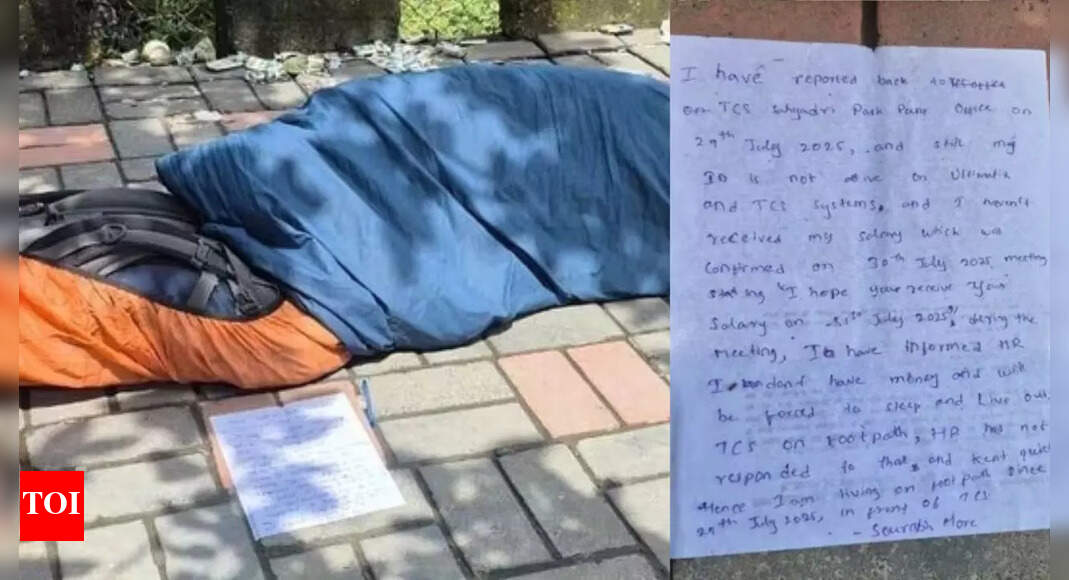
Sundar Pichai tells staff to stay the course while the sector trims. A Goldman economist says young tech workers feel the brunt of the shift. GitHub’s chief tells engineers to skill up or step out. Then there is the human story no town hall covers: a TCS worker sleeping outside an office over unpaid salary. Trust is earned in moments like these, not in memos.
Employer Brand POV:
Drop the platitudes. Share the scoreboard and the trade-offs. Fund manager-level coaching for mid-career talent, and prove that upskilling is a ticket to a better job, not just a pep talk.
📌 Sources:
 Hugh Son
 TOI Tech Desk

 TOI City Desk
- Google CEO Sundar Pichai tells employees amid massive IT industry layoffs: “I think we have to…”
Control Fever vs What Works
Reports say Microsoft is prepping tighter office rules. Many firms are now tracking badges to police attendance. At the same time, a four-year review of remote work research is blunt: working from home increases happiness. HBR argues the real drag is messy communication, not location. Some employers still push 12-hour days like honesty is a virtue. Others claim the worst of the return trend is over. The signal is simple. Control is not culture. Outcomes are.
Employer Brand POV:
Set team-level guardrails with freedom inside them. Measure outputs and decision speed. Clean up meetings and channels before you add mandates. If you must require presence, prove the value created on those days.
📌 Sources:
 Sherin Shibu
 Diana Olick

 Rosalia Neve

 Todd Rogers

 Metla Sudha Sekhar

- Major work-from-home turning point as employees return
The Quiet Rebuild: Freelancers and Fragile Focus
While headlines scream apocalypse, Upwork buys two firms to spin up a standalone enterprise unit. That is a bet on flexible, project-based teams. Meanwhile Fast Company warns about “quiet cracking,” where people give up pushing back and simply grind. The future of work will be less about where and more about how fast good people assemble around a problem, then disband before the bureaucracy calcifies.
Employer Brand POV:
Build a freelancer bench. Standardize onboarding for short-cycle teams. Reward leaders who ship outcomes with fewer meetings and a smaller core.
📌 Sources:
 Rebecca Szkutak
- How to respond to “quiet cracking,” a new workplace threat
Closing Thoughts
The labor market is easing. Automation noise is getting louder. In the middle sits trust. If your story cannot reconcile cuts with investment, people will do the math for you. If your culture relies on turnstiles, your best work will happen elsewhere.
One last note. Ignore the end-of-work prophets. Design better work. The talent you want is allergic to panic.
Video Edition
🎥 Prefer to watch? Check out the video edition of Paper Cut for sharp takes on this week’s biggest trends in employer branding and HR.
 EBN