
Trust Theater, AI Scoreboards, and Hiring Whiplash

Bosses doubled down on control while pretending it is culture. AI got a scoreboard. Candidates spotted red flags from miles away. The fix is simple, not easy: trust, clarity, and real skills.

By James Robbins 10 min read
Person with a backpack standing on a long suspension bridge that disappears into a foggy forest, tinted purple.
Trust is the KPI. This rickety bridge is your dashboard: cross it or keep measuring the drop.

This week set a record for corporate control exercises dressed up as leadership. Attendance bots sent threat notes. Bathroom breaks became a KPI. Managers got “guidance” that sounded a lot like surveillance. Meanwhile, the productivity data still refuses to play along with the “office or else” storyline.

AI kept pace, but not how leaders hoped. HR leaders do not trust managers to use AI well. Some companies responded by making AI usage a leaderboard, while others rushed to certificates and branding. Candidates noticed the gap between promise and practice, and they opted out of hiring mazes that signal chaos, not standards.

FROM THE EBN NETWORK
CTA Image

Helping HR, talent acquisition, employer branding, and company culture professionals find careers worth smiling about.

Find People-First Jobs Now

Here is the through-line. Control is not culture. AI is not a sticker. And candidate experience is not a game of endurance. We unpack the week across four tight themes.

This Week’s Paper Cut's


Jump to the video edition of this article, or listen here ↯

We keep tracking to a minimum. This podcast is hosted on PodBean, which may place cookies that measure viewing and personalize content. We only load the player after you consent to these cookies. You can update your cookie settings any time.


Trust Theater vs Control Creep

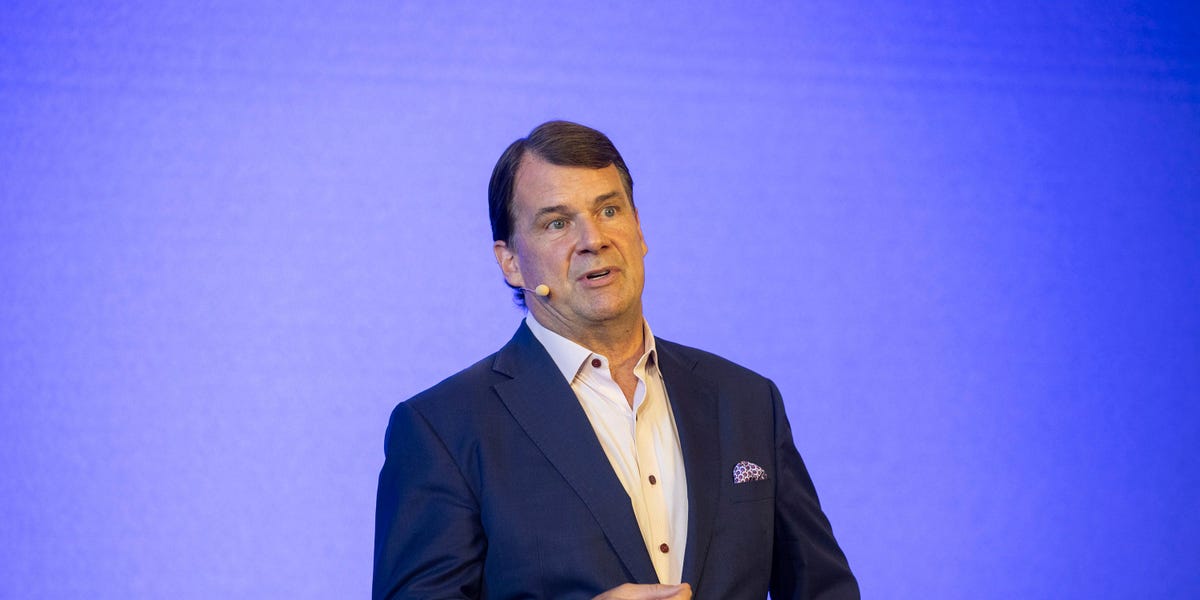
Ford’s internal rollout of four days in office turned messy. Employees received automated emails warning of discipline up to termination, even when they were compliant. An HR leader later admitted “we have failed” on the comms and systems that generated the noise. The real tell is not policy. It is whether the machinery of tracking can tell signal from noise.

Elsewhere, bosses tried to “measure” work by staring at screens. One viral post showed software that screenshots every 10 minutes. Another company tracked bathroom breaks so tightly it triggered silence, missed maintenance, and a bill. When you incentivize presence over output, you get less of the latter. You also get a brand problem that money cannot rebrand.

Employer Brand POV:
Stop playing bouncer. Publish team-level service agreements with simple, visible metrics tied to outcomes, not bodies in chairs. Audit your monitoring stack for perverse incentives and delete tools you would not proudly defend to candidates. If “return to office” is strategic, show the strategy: customer impact, cycle time, and learning velocity.

📌 Sources:

Ford employees have been told they could be fired if they don’t follow the company’s RTO mandate
Ford has been sending some employees automated emails warning that they could face termination if they do not improve their office attendance.
Ford HR head admits ‘We have failed in...’ amid confusion over Return-to-Office emails - The Times of India
Tech News News: Ford’s HR director admitted the automaker failed to properly manage return-to-office email communications, leading to compliant employees receiving te
‘It takes screenshots every 10 minutes’: Employee shocked by new office software
A recent graduate revealed his employer’s invasive time-tracking software that monitors his online activity and records screens every 10 minutes. 
Employees checkmate management after their bathroom breaks were secretly tracked; Rs 44 lakh faced by company
A companys decision to track employee bathroom and break room usage has backfired, costing it Rs 44 lakh. Staff became reluctant to report issues or communicate with management, fearing penalties for leaving their desks. This communication breakdown led to unreported machinery problems and significant financial losses. Experts note this as a classic example of how strict monitoring can create perverse incentives, reducing productivity instead of improving it.
Google adds limits to ‘Work from Anywhere’ policy that began during Covid
Google is putting restrictions on its “Work from Anywhere” policy, limiting the number of days employees can take advantage of the perk.

AI Skills Gap: Adoption or Audit

HR leaders across Asia say they do not trust front-line managers to be AI-skilled. That is the quiet part out loud. We see the response swing between certificates to badge competency and dashboards to enforce usage. Meta reportedly tracks employee AI usage, turning adoption into a game with internal targets. It answers the “who is using it” question. It does not prove value.

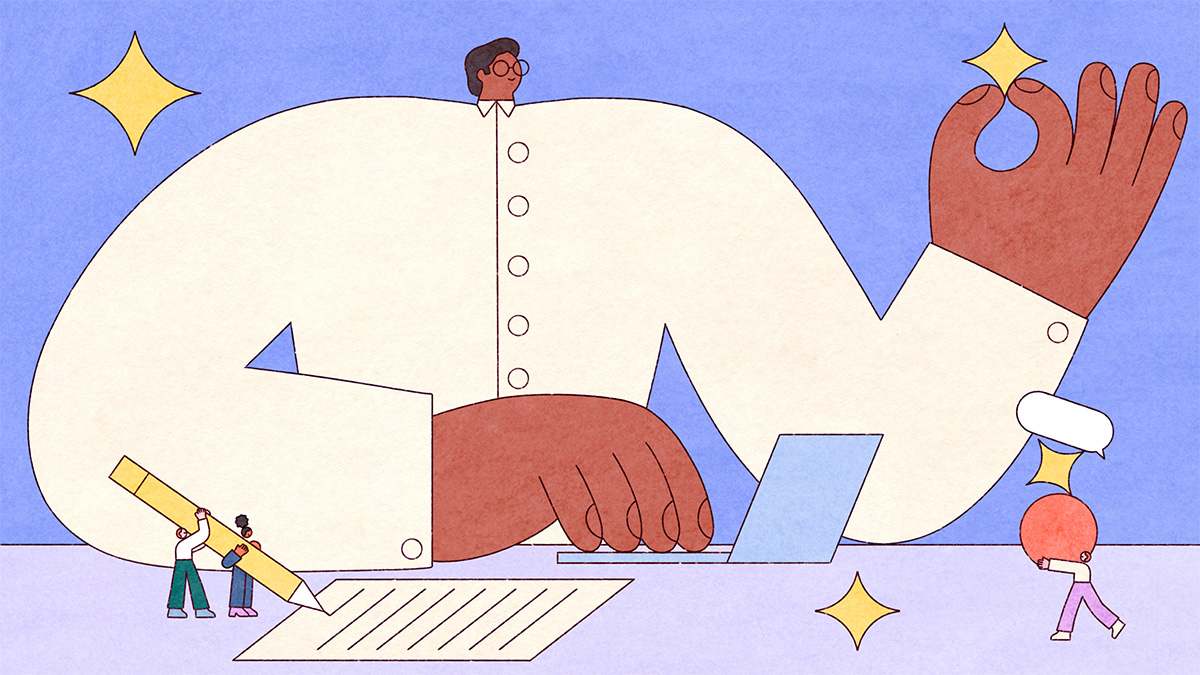
What leaders actually need is different. HBR distills five AI-era skills that matter: framing problems, redesigning workflows, navigating risk, shaping governance, and building coalitions around change. Skills, not stickers. Coincidentally, that is also what turns AI from pilot theater into productivity.

Employer Brand POV:
Replace “AI is mandatory” with “AI creates measurable lift on X.” Stand up a two-track pathway: 1) role-specific playbooks that show how AI cuts steps, and 2) a proof log that stores before/after artifacts for real work. If you must certify, certify on shipped outcomes, not quiz scores.

📌 Sources:
HR leaders lack faith that managers are AI-skilled
How can HR help managers use AI to the fullest?
Meta is monitoring how much employees use AI — and turning it into a game
Meta wants to boost AI adoption by tracking employee usage and turning it into a game called Level Up.
5 Critical Skills Leaders Need in the Age of AI
To thrive in the rapidly evolving age of generative AI, senior leaders need to recognize that success hinges less on the technology itself than on leadership and organizational transformation. In particular, they’ll need to develop five key skills: 1) cultivating AI fluency by engaging with diverse networks and fostering cross-industry conversations; 2) redesigning organizational structures to unlock AI’s value; 3) orchestrating collaborative decision-making between people and AI; 4) empowering teams through coaching and psychological safety; and 5) modeling personal experimentation with AI to inspire broader adoption. Doing so will allow them to guide their organizations through the profound changes required to realize the technology’s full potential.
AI is poised to disrupt the job market — some roles could ‘radically transform,’ report finds
Artificial intelligence is most likely to impact white-collar jobs, while those requiring more physical labor and intervention are relatively insulated.
Man Embraces AI at Work, Gets Rewarded by Boss Replacing Him With It
The 17 year veteran of the company, ironically, had actually grown to really like using AI tools to help his job.

Candidate Experience Whiplash

Candidates are not fooled by shiny brands if the hiring process screams chaos. HBR’s list of organizational red flags reads like many job boards: unclear roles, endless interviews, slow feedback, and leaders contradicting each other. Then there is the viral tale of marathon interview loops that would make a six-sigma black belt blush. You do not look “rigorous.” You look indecisive.

The irony. Remote workers still clock high productivity, according to fresh survey data. Yet some firms insist on office optics over evidence. The talent market notices. If your process burns time without adding signal, high-intent candidates will opt out or accept elsewhere.

Employer Brand POV:
Cut to a three-step loop: structured screen, practical work sample, decision panel. Publish the plan in the JD with timelines. Measure candidate NPS and time-to-decision as core KPIs. Reward managers who hire well, not those who host the most meetings.

📌 Sources:
4 Organizational Red Flags That Turn Off Job Candidates
A survey of hundreds of executives shows that the most common “red flags“ that deter qualified candidates from interviewing for or accepting jobs with organizations are a lack of clarity about the job or organization, bad recruitment practices, unpleasant or disengaged employees, and a poor corporate reputation. To address these issues, leaders and hiring teams must demonstrate greater clarity, courtesy, and coherence throughout the process, proactively communicating expectations, supporting hiring managers, and addressing organizational concerns transparently.
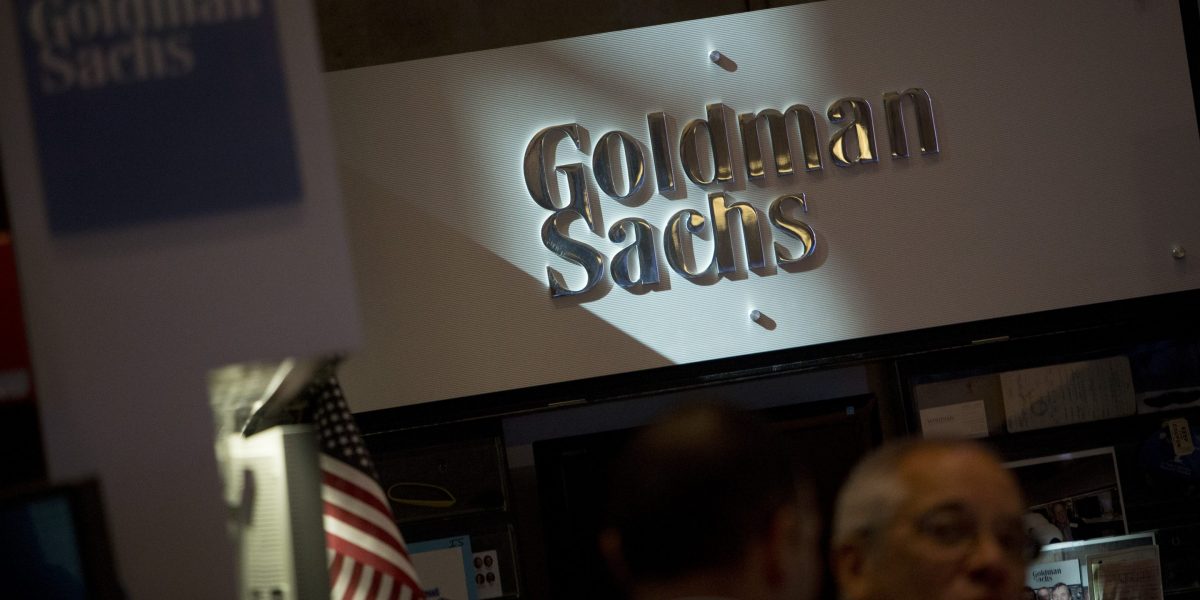
Man says Goldman Sachs put him through a gauntlet of 39 one-on-one interviews—and the decisive conversation was less than a minute | Fortune
Goldman Sachs’ acceptance rate for internships is less than 1%.
350 hiring managers gave their honest thoughts about Gen Z—and only 8% believe they’re ready for the workforce | Fortune
The young generation is second-guessing their college degrees—and as more employers lean on skills-based hiring, Gen Z faces stiff competition.
Meet The World’s Best Employers 2025
The 900 companies on this year’s list of the top global employers offer employees generous benefits, career growth opportunities and a healthy work-life balance.

Change Narratives That Work

Leaders keep falling into the hero trap. MIT Sloan nails the pattern. When executives center themselves in change, they stop listening and staff disengage. The antidote is coalition-building around the real problem, not a leader’s vision poster. Pair that with metaphors that help people grasp what is changing and why. Then be careful with “authenticity.” Unfiltered can look self-indulgent when stakes are high.

Change is a communication job powered by design, not charisma. Your message needs edges that cut through noise. It also needs a safe container for dissent. People follow clarity and fairness. They resist theater.

Employer Brand POV:
Write the “origin story” of the problem in plain English. Map winners, losers, and mitigations. Pilot with a cross-functional council, not a comms blast. Track adoption with behavior metrics users can see, and retire the vanity roadshows.

📌 Sources:
Change Management: How to Avoid the Hero Trap
When leading change, seeking overinflated credit and taking extreme ownership can cause trouble.
The Power of Metaphors When Introducing Change Initiatives
Change can be scary, which can activate the brain’s fight or flight response. So how can senior leaders help calm that threat response when introducing change initiatives? Research has shown that storytelling can help. However, busy executives often lack the time, skills, and runway needed to craft full-fledged storylines, transformation heroes, and relatable characters. This is where strategic metaphors can be a powerful alternative. A metaphor is a lightning flash—it illuminates the landscape in an instant, helping to calm the brain, coordinate energy, and clarify direction. For leaders navigating ambiguity, time pressure, and resistance, the right metaphor doesn’t just describe the journey—it defines it. It quickly signals what matters, who we are becoming, and how we will get there—together. As you plan your next transformation, don’t just ask, “What’s our strategy?” Ask, “What metaphor will make people want to carry our strategy forward?”
When Authentic Leadership Backfires
While authenticity is linked to higher self-esteem and well-being, it does not necessarily translate into perceptions of leadership competence or effectiveness. In fact, research shows that impression management—adjusting your behavior to meet situational demands and gratify others—can make you seem more authentic and trustworthy, whereas strict adherence to your “authentic self” can actually be perceived as inauthentic. This article outlines nine key tradeoffs leaders can make to ensure they are balancing their own sense of authenticity with how they come across in their organizations and on their teams.

Closing Thoughts

Control is a tax on trust. The invoice arrives as attrition, silence, and brand damage. This week, the most “efficient” companies created the least value per meeting because they optimized for attendance, not outcomes.

If you want a competitive employer brand, make it boringly clear how work gets done, how AI helps, and how decisions land. Simplicity scales. And simplicity, inconveniently, requires courage.


Video Edition

🎥 Prefer to watch? Check out the video edition of Paper Cut for sharp takes on this week’s biggest trends in employer branding and HR.

We keep tracking to a minimum. This video is hosted on YouTube, which may place cookies that measure viewing and personalize content. We only load the player after you consent to these cookies. You can update your cookie settings any time.


The EBN Dispatch Podcast | Employer Branding & Talent
The EBN Dispatch is your no-fluff podcast on employer branding, talent attraction, retention, and company culture served with dry wit and sharper-than-average insight.