


The future of work used to be a PowerPoint fantasy. This week it’s painfully literal: AI layoffs are hitting mid-project, HR admits it can’t operate the very tech it’s rolling out, and Starbucks just rewrote “flexibility” as four days chained to headquarters. Employees are nervous; leaders are performative.
Across four fault lines: automation, office mandates, culture credibility and leadership theatrics, we distill the headlines into what they really mean for employer brand and talent strategy.
Brace yourself: the gap between talk and walk is widening.
This Week’s Paper Cut's
Jump to the video edition of this article.
AI Cuts Both Ways
AI’s promise turned practical this week, if “practical” means pink slips. A Microsoft engineer discovered the new “AI-first” mantra via a cold calendar invite, echoing The Independent’s warning that millions of white-collar roles are on the chopping block. Anxiety-inducing? Absolutely: software engineers on Reddit are openly upskilling just to survive.
Yet the narrative isn’t all doom. ABC News highlights forecasts of 170 million AI-generated jobs by 2030 ABC News, while Fortune finds only 30 % of HR professionals have meaningful AI training, leaving a yawning skills gap Fortune.
Translation: the jobs AI “creates” may be inaccessible to the very people it displaces.
Employer Brand POV:
Scrap the generic “learning culture” slogan. Show real reskill pathways or be seen as automating careers without a safety net.
📌 Sources:
 Graig Graziosi

The dirty secret about AI in the office that has CEOs admitting millions of white-collar jobs will be replaced
 ABC News

AI could create these new jobs despite gloomy forecasts, experts say
 Brit Morse

HR professionals are tasked with rolling out AI, but only 30 % get the training they need
- ‘AI impact feels way more real now’: Microsoft lays off employee who was with the company for 5 years
- ‘I’m just waiting to be laid off’: Software engineer upskills with AI as anxiety becomes the new normal
RTO Rebellion 2.0
UK staff say just reading about tougher mandates dents their well-being, 38 % report added stress. Starbucks responded by stretching its office requirement to four days a week, sweet-talking culture while dangling cash for those who quit instead. HR leaders, surveyed by BambooHR, admit 62 % can’t enforce the rules they announce.
Layer on a widening work-from-home gender gap and India-to-Japan remote migrants thriving outside traditional offices, and the tug-of-war looks less like policy and more like identity politics for the workplace.
Employer Brand POV:
Flexibility isn’t a perk; it’s a power signal. Mandate without meaning and you broadcast mistrust, not mission.
📌 Sources:
 Joanna Partridge

Fear of being ordered back to office affecting UK staff wellbeing, poll finds
 Aneurin Canham-Clyne
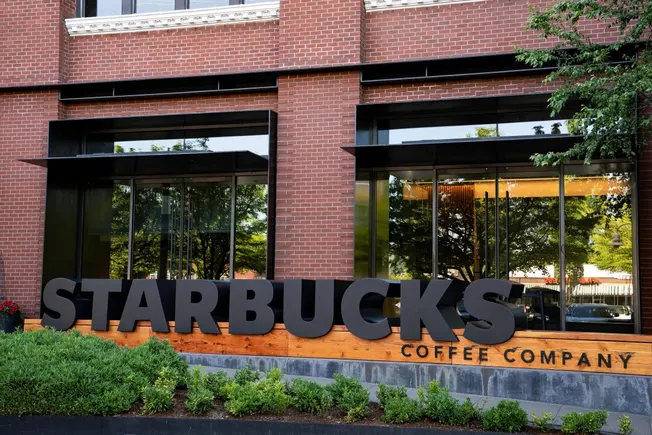
Starbucks shifts to 4-day RTO for corporate employees
 Dexter Tilo

HR leaders struggle to enforce office return amid workforce pushback
 Lily Mae Lazarus

Work-from-home gender gap widens
 Megha Wadhwa
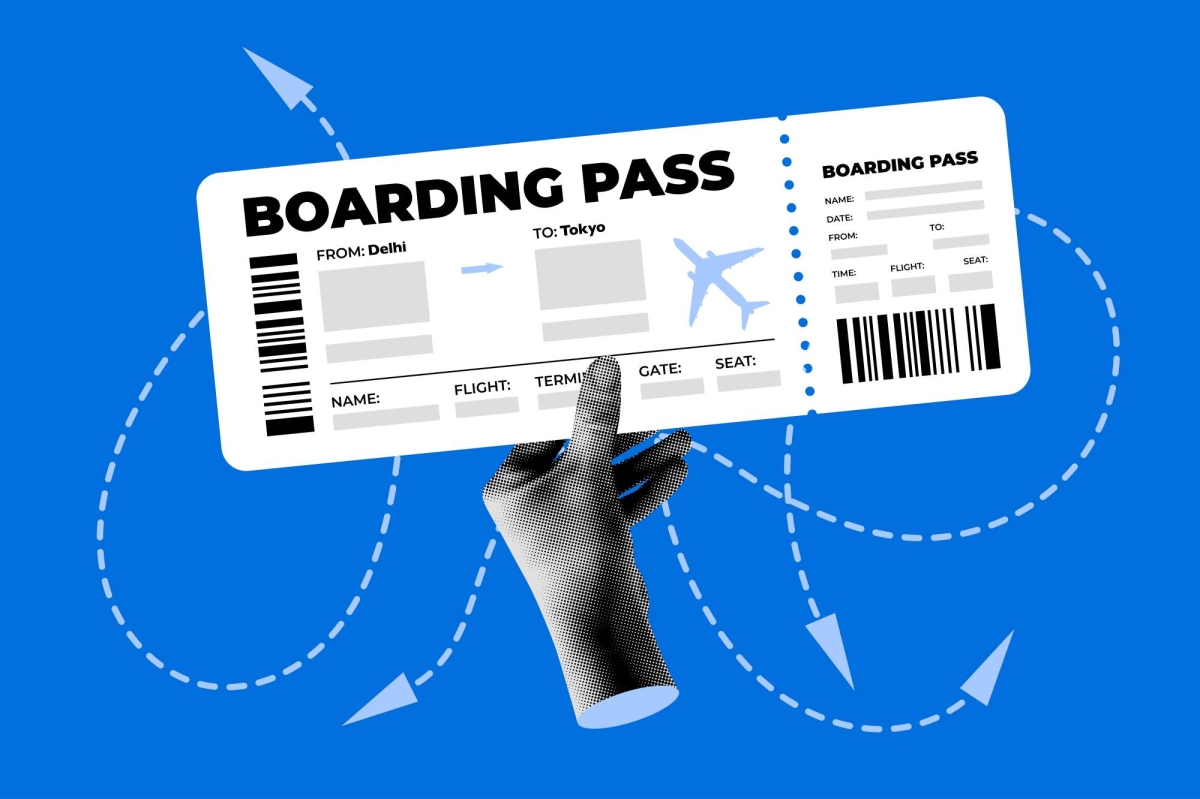
How remote work is rewriting the migrant experience in Japan
Culture Credibility Test
Resume Now’s survey says 47 % of employees have considered quitting over ethics lapses. Meanwhile, Forbes rolls out Canada’s Best Employers for Company Culture proof some firms still invest where it counts. And on TikTok, the “Gen Z Stare” meme spotlights a cross-generational mistrust of corporate scripts.
Culture is no longer a poster on the wall; it’s a daily referendum held on social feeds and exit interviews.
Employer Brand POV:
If ethics and inclusion are “performative,” talent will perform a disappearing act. Make values measurable or prepare for attrition you can’t budget for.
📌 Sources:
 Carolyn Crist
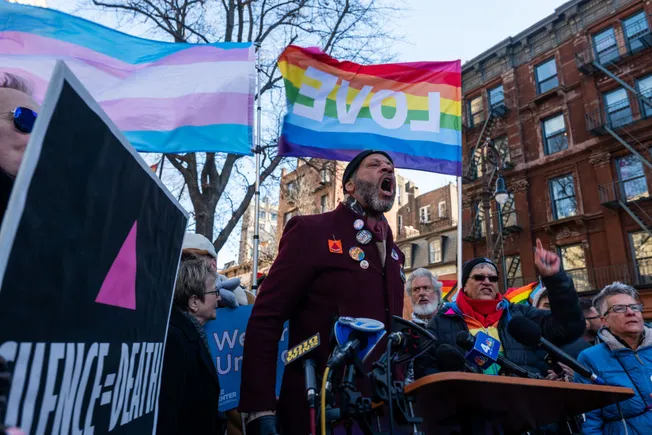
Nearly half of workers have considered quitting over employer’s ethics, report finds
 Rachel Rabkin Peachman

Meet Canada’s Best Employers for Company Culture 2025
 Henry Chandonnet

The ‘Gen Z Stare’ has ignited a debate about soft skills and workplace communication
Leadership Lip Service
Cutting meetings is the new C-suite flex yet CEOs confess to burnout levels unseen since 2020. Fast Company adds irony: managers preach downtime but penalise staff who actually detach. The result? Leaders fix symptoms (calendar invites) while ignoring root causes (trust, workload, clarity).
Employer Brand POV:
Ditch cosmetic hacks. High-trust cultures need guardrails: fewer meetings, yes but backed by promotable outcomes for people who switch off.
📌 Sources:
 Jason Walker PsyD, PhD

Why Cutting Meetings Is the New Leadership Flex: Here’s How to Do It
- McKinsey Research Reveals a Solution to Overwhelmed and Exhausted CEOs
- Managers think employees should take a break from work, but they don’t promote the ones who do
Closing Thoughts
Automation is accelerating, office politics are physical again, and “culture” is judged in real time, meme by meme. If your EVP still relies on foosball tables or vague promises, it’s expired.
Challenge for the week: audit one policy AI, RTO, or wellness and replace the buzzwords with metrics. Because the future of work isn’t arriving; it’s already rating you.
Video Edition
🎥 Prefer to watch? Check out the video edition of Paper Cut for sharp takes on this week’s biggest trends in employer branding and HR.

Helping HR, talent acquisition, employer branding, and company culture professionals find careers worth smiling about.
 EBN