


Markets dislike uncertainty. People feel it more sharply. This week delivered a run of stories about disruption: mass layoffs wrapped in productivity rhetoric, gaps in public jobs data that leave leaders flying on partial instruments, and glossy “best workplace” lists landing alongside stories about tracking tools and failed office experiments. The space between the story told and the day-to-day reality is where employer brands either mature or get exposed.

Helping HR, talent acquisition, employer branding, and company culture professionals find careers worth smiling about.
Underneath the arguments about AI and remote work sits a different theme: confidence. Candidates want to know whether your company can make hard calls without dramatics, adopt AI without hollowing out jobs, and manage flexibility without turning culture into a loyalty test. This edition connects four strands: layoff signals, the AI skills race, remote work reality, and the optics economy of lists, standards, and pay.
This Week’s Paper Cut's
Jump to the video edition of this article, or listen here ↯
We keep tracking to a minimum. This podcast is hosted on PodBean, which may place cookies that measure viewing and personalize content. We only load the player after you consent to these cookies. You can update your cookie settings any time.
Layoffs In A Trust Recession
A familiar playbook is back in circulation. Announce cuts, reference AI or macro uncertainty, and hope the market rewards the “focus.” Big tech firms are still trimming. Large consultancies are reshaping their headcount. Public bodies are facing job shocks as funding shifts. One government data miss even canceled a monthly employment report, which means HR leaders are steering with an incomplete dashboard. At the same time, newer layoff tactics are unfolding in public and backfiring, multiplying reputational damage for relatively small cost savings.
This is less a story about spreadsheets and more a question of credibility under pressure. Recent HBR commentary frames stakeholder trust as a risk asset, not a soft metric. Employerbranding.news has warned that when the story around cuts is sloppy or evasive, the brand debt lingers long after the P&L has stabilised. Employees and alumni remember whether leaders handled exits with clarity and respect or reduced them to a PR exercise.
The practical lesson is blunt. If cuts are unavoidable, they need to be handled as a test of governance rather than a communications exercise. That means a clear decision logic, transparent criteria, and processes that minimise collateral harm for people whose roles disappear. It also means closing the loop with those who stay, who are watching closely for signals about their own future.
Employer Brand POV:
Treat layoffs as a proof point of how the organisation makes decisions. Publish the principles and criteria that guided the calls. Show how you protected critical skills and early careers. Support departures with real, not symbolic, outplacement. Make it easy for strong performers to boomerang in future. Trust built here does more for reputation than any statement about “focus.”
📌 Sources:
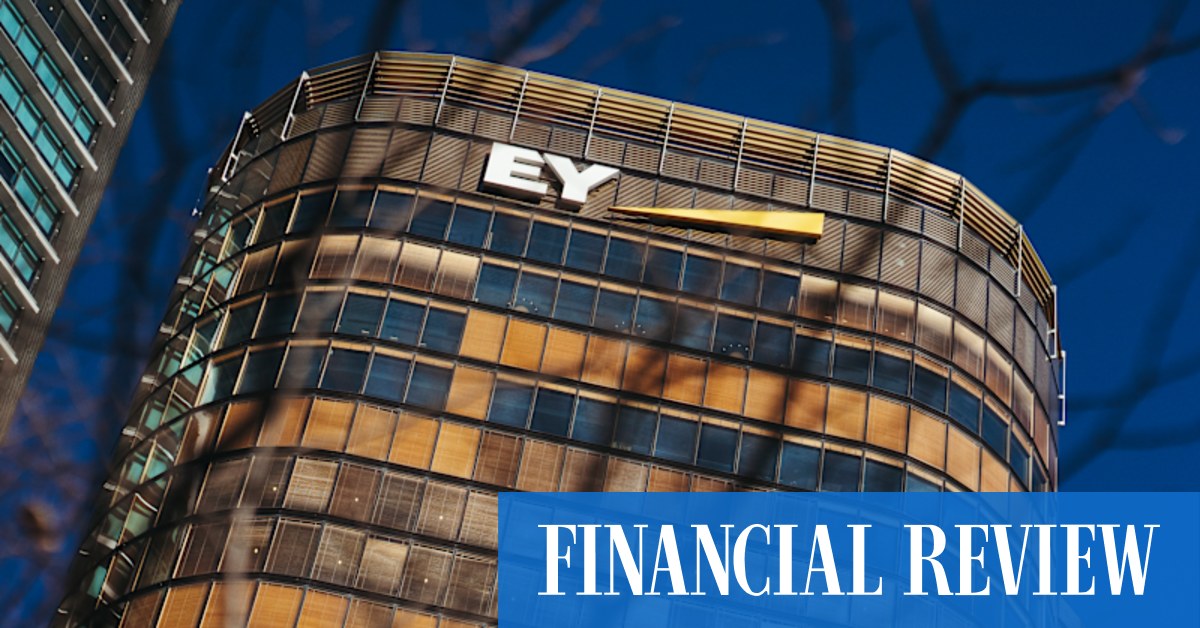
 Edmund Tadros
 Reuters

 Sandra J. Sucher

 James Robbins

- https://www.washingtonpost.com/business/2025/11/18/big-tech-layoffs-ai/
- https://www.wsj.com/lifestyle/careers/new-layoff-tactics-bring-new-blunders-beefbf56
- https://www.reuters.com/world/us-canceling-octobers-employment-report-after-shutdown-prevented-data-collection-2025-11-19/
- https://www.thenewdaily.com.au/life/science/2025/11/19/csiro-restructure-minister
The AI Arms Race vs Hiring’s Doom Loop
The bar for AI fluency in white collar roles continues to rise. Consulting recruiters now expect MBAs to be comfortable with AI tools as a baseline. At the same time, a major consulting firm is warning that automated screening is creating a recruitment “doom loop” that narrows talent pools and reinforces bias. Opinion pieces argue that AI agents still struggle with messy, real world work. Others counter that entry-level roles are not disappearing so much as being reshaped. Add a harsh data point from Australia’s entry-level market and a pattern emerges: skills are moving faster than most hiring systems can adapt.
The easy response is to add “AI proficiency” as a checkbox on job descriptions. The useful response is to map the workflows where humans plus AI create measurable value, then hire against that map. That means prioritising learning velocity, problem framing, and judgment in context over lists of tools. It also means testing how managers assess AI-enabled work and how they plan to onboard and coach people into new ways of working.
When process and tools cannot distinguish between genuine skill and superficial prompt tricks, the recruitment system defaults to guesswork. Capable candidates get screened out because their CV does not match a pattern the model expects. Others advance because they know which buzzwords and tool names to feed into a form. Over time that erodes both performance and brand.
Employer Brand POV:
Offer a learning contract instead of an AI buzzword. Show candidates how AI is built into the work, what “good” looks like by month three, and how progression works as tasks automate. Be explicit about the support and training available. A credible path to mastering AI in the role is more attractive, and more honest, than any vague promise about “innovation.”
📌 Sources:
 Robb Mandelbaum

 Emmet Malone

 Technology

- https://www.forbes.com/sites/hessiejones/2025/11/18/harvard-got-it-wrong-ai-is-not-killing-entry-level-jobs/
- https://www.news.com.au/finance/work/at-work/anglicare-report-reveals-australias-entrylevel-job-crisis-as-39-jobseekers-compete-for-every-vacancy/news-story/72feb4c5d75c08c817c0784753477b0e
Remote Reality: Rights, Rituals, and Surveillance
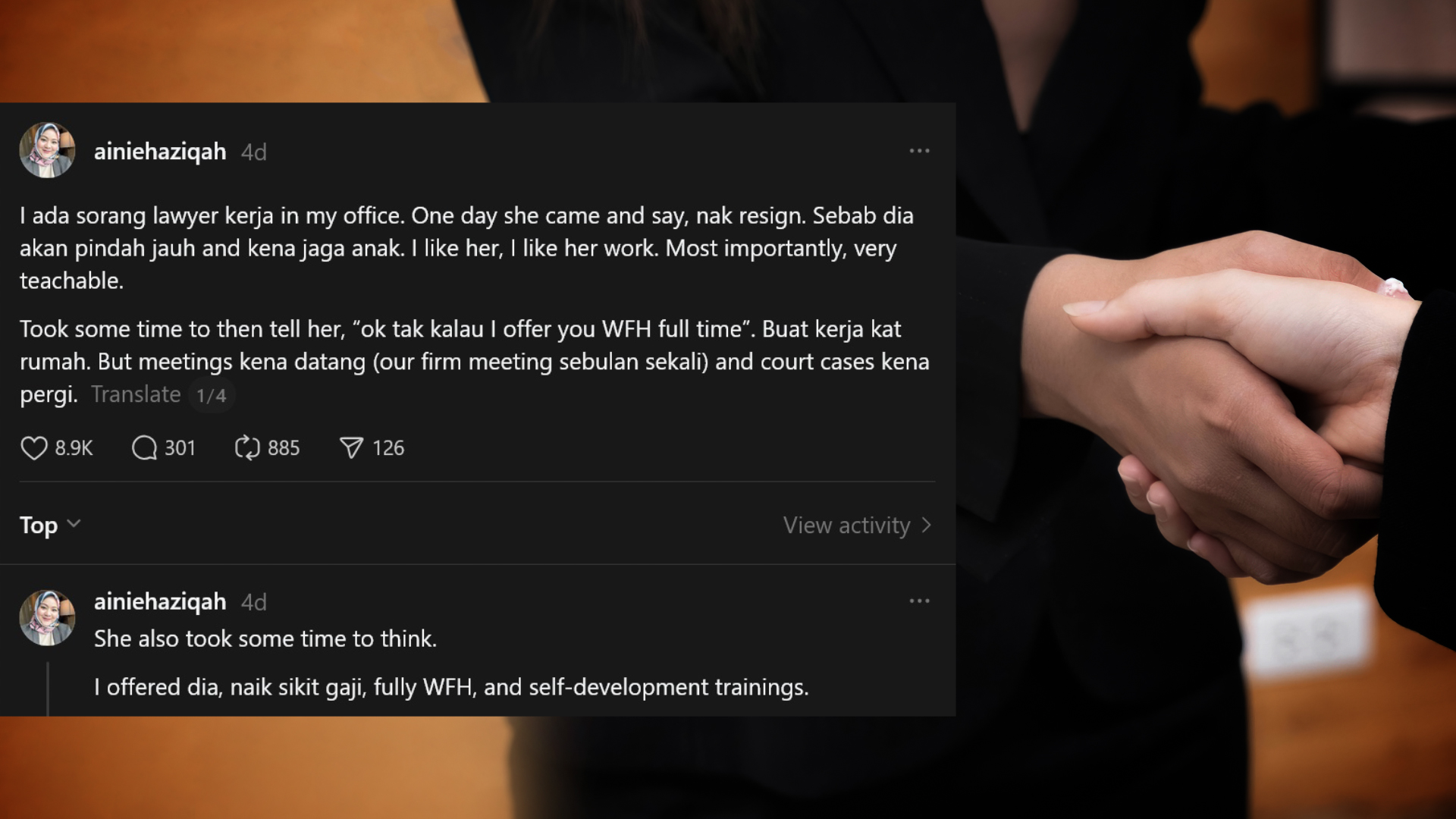
Three truths can sit together. Some teams are effective and content fully remote. Others need in-person time for specific work that benefits from shared space. Then there are “collaboration days” that are heavy on performance and light on outcomes, pulling productivity in the wrong direction. This week’s stories included weak enforcement of remote work rights in Ireland, a new consultation on flexible work, and employees rejecting office pushes after disastrous team days. An employer suggesting “work from home except for meetings” and a columnist urging workers to stay permanently reachable round out the picture. The pattern looks less like flexibility and more like chronic low-level anxiety.
Surveillance technology is the most visible symptom. A large outsourcer’s idle-time tool flags staff after five minutes of inactivity. A UK outlet revisited the question of whether remote workers were truly more productive during lockdown or simply more honest about their output. When keystrokes and webcam indicators become the main signals of performance, trust shrinks and initiative follows closely behind.
For organisations that want hybrid to stick, the unit of analysis needs to shift away from individual presence. The more productive focus sits at team level outcomes and clear, role-based expectations for when co-location adds value. Anything else encourages presenteeism, whether in the office or in the home office chat window.
Employer Brand POV:
Publish a straightforward operating model by role and team. Spell out which activities genuinely benefit from being together and which can be handled asynchronously. Retire tools that measure activity for its own sake. Invest in manager training on hybrid rhythms, feedback, and decision making. A culture that explains how to succeed in this system will earn more trust than one that silently monitors and nudges.
📌 Sources:
 Anne-Marie Walsh

 Brian O’Donovan

 Nick Karean
 Johnny C. Taylor Jr., USA TODAY

 Christos Makridis

- https://www.financialexpress.com/trending/nothing-like-what-they-advertised-remote-employees-rejects-office-push-collaboration-day-ends-in-disaster/4044577/
- https://www.moneycontrol.com/technology/cognizant-begins-using-tool-to-track-employee-activity-employees-marked-idle-after-5-mins-of-inactivity-article-13682012.html
The Optics Economy: Lists, Standards, and Pay Power
Awards season is in full swing. Global “best workplace” lists are out, Canada’s Top 100 employers have been announced, and India is tightening HR standards to support services sector competitiveness and cross-border mobility. Forecasts for 2026 culture trends and Glassdoor’s outlook for the year ahead promise a view of what is coming next. These lists and reports create useful signal. Candidates, however, can cross-check the claims against lived experience within minutes.
That is where the optics get fragile. A shiny badge on one side and employee stories about surveillance, chaotic RTO experiments, or pay opacity on the other do not sit well together. In that clash, the badge loses. Modern candidates treat awards as one datapoint in a wider picture that includes reviews, social posts, and quiet back-channel conversations.
Pay is part of this optics economy. Lobbyists in Washington are positioning salary negotiations as the next battleground in a changing labour market. At the same time, commentary on Gen Z’s so-called “career minimalism” suggests something less dramatic than it sounds. The trend reflects boundary setting and pragmatic expectations in a market where promises about progression and wellbeing have often run ahead of reality.
Employer Brand POV:
Use lists and awards as validation, not as the core story. Publish your people standards. Audit how managers are living them. Explain your pay philosophy in plain language, including how ranges are set and how decisions are made. When awards show up as a side effect of that system, they carry more weight with candidates than any campaign slogan.
📌 Sources:
 Livemint

 Irish Mae Silvestre

 Dhirendra Kumar

 Janice Gassam Asare, Ph.D.

 Caroline Castrillon

 Lobbying

Closing Thoughts
Two habits distinguish resilient employer brands when conditions are uncertain. First, leadership teams prioritise decisions over declarations. They explain what is changing, why, and what comes next for the people involved instead of relying on vague themes. Second, they design systems that treat people as adults who can handle context, trade offs, and clear expectations.
That combination shows up in how layoffs are managed, how AI is introduced into roles, and how hybrid work is structured. It also shapes how credible any award or badge feels when candidates read the fine print of reviews and policies.
If this week’s stories landed a little too close to home, pick one friction point and make a concrete change. Replace a vague “AI proficiency” line with a ninety day learning plan. Swap tracking software for team-level outcome metrics. Rework your layoff protocol for clarity and humanity. None of these fixes promise perfection. They do offer proof that the organisation is willing to align practice with message, which is what people remember.
Video Edition
🎥 Prefer to watch? Check out the video edition of Paper Cut for sharp takes on this week’s biggest trends in employer branding and HR.
We keep tracking to a minimum. This video is hosted on YouTube, which may place cookies that measure viewing and personalize content. We only load the player after you consent to these cookies. You can update your cookie settings any time.
 EBN