


The story of work this week reads like a split screen. On the left, upbeat talk of productivity and AI agents doing real work at scale. On the right, a drumbeat of layoffs from retail to energy to Big Tech’s orbit. Leaders are being sold efficiency. Employees are being handed uncertainty. Both can be true.
The talent market is not “weak.” It is weird. Remote employers are overwhelmed with candidates. Banks report Gen Z quitting for autonomy and pace. Meanwhile, middle managers report the lowest psychological safety, exactly the tier needed to land any transformation. The tension is not hype versus doom. It is execution versus consequence.

Helping HR, talent acquisition, employer branding, and company culture professionals find careers worth smiling about.
Here is how to navigate it: treat AI as a work-design problem, not a headcount lever. Rebuild early-career ladders before they snap. And if you want to hire, stop swimming against your own current. We unpack the cuts, the agent reality, and the broken rungs, then end with a remote reality check and a useful tool for planning your workforce mix.
This Week’s Paper Cut's
Jump to the video edition of this article, or listen here ↯
We keep tracking to a minimum. This podcast is hosted on PodBean, which may place cookies that measure viewing and personalize content. We only load the player after you consent to these cookies. You can update your cookie settings any time.
The Cuts Are Strategic. The Signal Is Cultural.
Retail, energy and telecoms kept the layoff news rolling. Target will eliminate 1,800 positions, including 1,000 layoffs, to “simplify” and speed decisions, not purely to cut costs. That is a culture statement as much as a financial one. The company also flagged leadership roles hit at about three times the rate of others. Translation: the org chart is the strategy.
Energy is not immune. ConocoPhillips is set to lay off Canada employees in November per an internal memo. Cuts inside a capital-heavy, long-cycle sector usually mean two things: portfolio refocus and sharper ROI hurdles for every role that survives.
Telecoms added their own data point. Charter will cut 1,200 roles, roughly 1.3 percent of its workforce, to streamline operations. When access businesses trim corporate and back office while protecting front line sales and service, they are telling you where value is created and where bureaucracy accumulated.
Employer Brand POV:
Your narrative cannot be “more with less” without a “how we will work” plan. If you restructure, publish a one-page operating model: team sizes, decision rights, meeting rules, and what you are stopping. If leadership roles are disproportionately affected, say why. Then measure manager span of control and decision cycle time quarterly. People can live with hard calls. They churn on vague ones.
📌 Sources:
 Carson Hartzog

 Akul Saxena

 Melissa Repko

 Michael Wayland

 Ashley Capoot,Jonathan Vanian

 Stanford
 Freschia Gonzales

- https://www.reuters.com/business/world-at-work/conocophillips-layoff-canada-employees-november-company-memo-shows-2025-10-23/
- https://www.thestreet.com/employment/ubisoft-soft-layoffs-expected-after-latest-announcment
AI’s Split Screen: Agents Deliver, Adoption Fumbles
Yes, AI can be real work. Block reportedly put AI agents in the hands of 12,000 employees in two months. That is not a demo. That is a deployment rhythm. The lesson is speed plus scope plus guardrails, not labs and laminated slides. But here is the shadow: middle managers report the lowest psychological safety. If the people who translate strategy into workflow fear speaking up, your AI program will ship slideware.
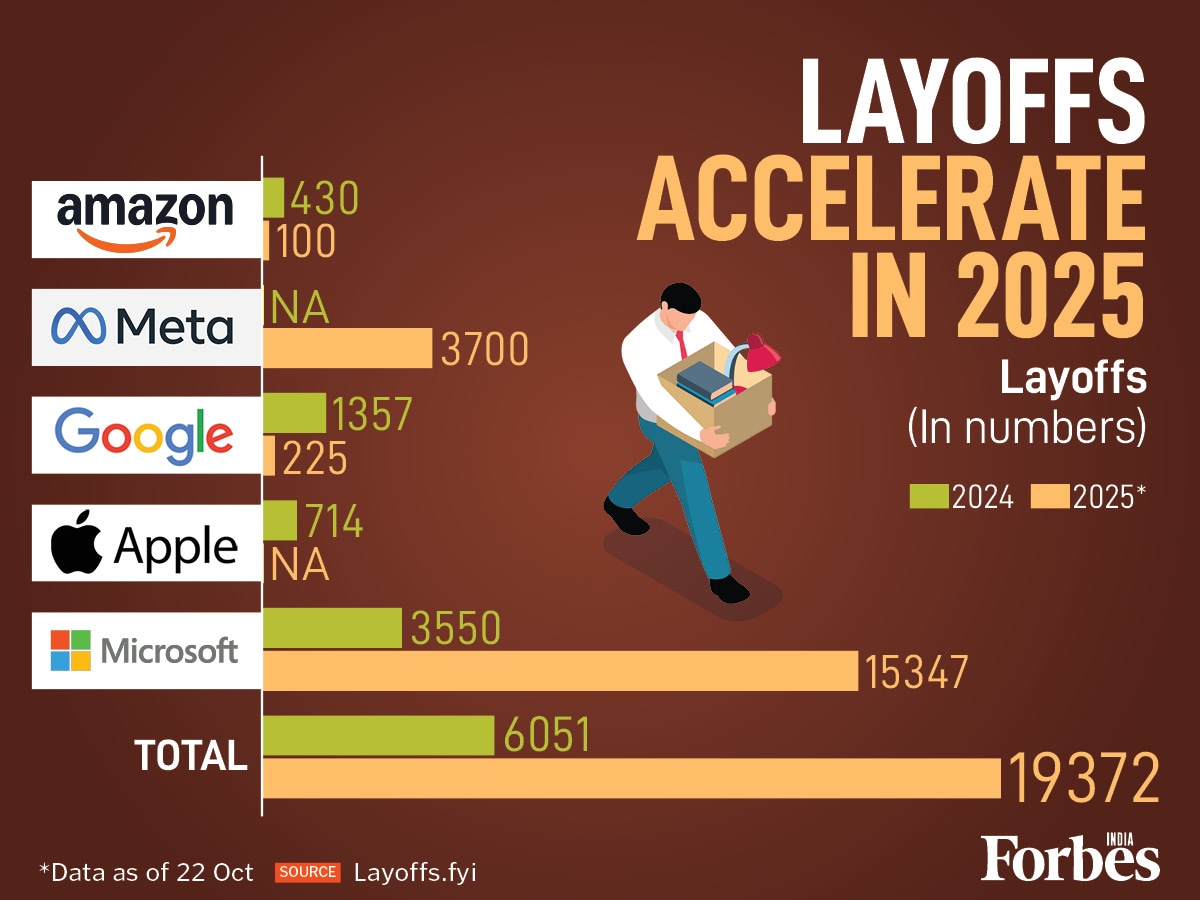
Executives keep warning on failure rates and messy ROI. Some callouts say the quiet part out loud: you will reduce certain corporate roles as AI scales. Amazon’s own notes framed an expectation of fewer corporate roles as AI efficiency kicks in, with 15 percent of HR reportedly on the block. That is not destiny. That is design. Treat AI as reallocation, not replacement. The difference is whether you rebuild process and reskill, or just prune and pray.
Meanwhile, the public narrative polarises. One side warns of a permanent underclass. Another insists job loss is inevitable but skills will rebalance. Truth sits in the work. Teams that define task inventories, handoffs, and agent accountability see lift. Teams that “install AI” into old processes see churn.
Employer Brand POV:
Publish an “AI work charter” that lists three things: tasks you will automate this quarter, the human roles that expand as a result, and the training path to get there. Put a named product owner on each agent, with a simple SLA. Audit psychological safety in manager forums monthly until it rises. Then talk about productivity.
📌 Sources:
 Darryl K. Taft

 Jan U. Hagen

 Mark Haranas

 Van Badham

 TOI Tech Desk

The Broken Rungs: Early Careers Are A Meat Grinder
Graduates are hitting a wall. A City veteran describes entry hiring as a “meat grinder,” with tens of thousands of applications meeting AI screens long before a human sees a CV. That is not candidate fragility. It is a design failure. We eliminated apprenticeships and then put a CAPTCHA on opportunity.
Inside banks, Gen Z is voting with its feet. Half of firms report rising quit rates among younger staff, much of it for autonomy, entrepreneurial pace, and flexibility. In Singapore, four in five tech workers may face limited opportunities unless they bring AI skills. This is how you get a cohort that over-invested in credentials and under-received in learning.
Employer Brand POV:
Rebuild the ladder. Hire fewer grads, train more. Replace multi-stage AI filters with structured work trials. Create two tracks: a craft track that pays for deep skills and a builder track that rotates across domains. Publish conversion rates and time-to-skill. If you will not sponsor learning, do not market “potential.”
📌 Sources:
 Thibault Spirlet

 Matt Kenyon

 Young Zhan Heng

 Lindsay Clark

 James Pollard

 Eve Upton-Clark

Remote Reality Check: Demand Is Lopsided
Remote-first employers report a flood of applicants. Dropbox and Atlassian see multiples more interest per role, and LinkedIn says 8 percent of postings offering remote work drew 35 percent of applications in September. If you keep pushing rigid RTO, accept that you are self-limiting your pipeline.
Courts are also redrawing the lines. In Australia, a Westpac employee won the right to work from home full time in a landmark ruling. Whether or not it travels, the signal is clear: flexibility is now a right to be argued, not a perk to be gifted.
Employer Brand POV:
Clarify what is location critical versus culture convenient. If the work can be done anywhere, hire anywhere and gather with intent. Budget for quarterly team meets instead of daily commutes. If you cannot be remote, sell the “here” with purpose, not policy.
📌 Sources:
 Tim Paradis

 Scott Murdoch

 Technology

Closing Thoughts
The market is not short on talent. It is short on design. Companies cut, then expect resilience to fill the gaps. Graduates apply, then meet silence. Managers fear speaking, then own the blame. If you want a competitive employer brand, publish how work will work, then back it with training and trust.
Special mention: we mapped this tension in our piece on the World Economic Forum’s 2025 outlook and shipped a free workforce playmaker to plan role mixes, upskilling, and agent design. Steal it. Use it. Then measure the change you claim.
 James Robbins

Video Edition
🎥 Prefer to watch? Check out the video edition of Paper Cut for sharp takes on this week’s biggest trends in employer branding and HR.
We keep tracking to a minimum. This video is hosted on YouTube, which may place cookies that measure viewing and personalize content. We only load the player after you consent to these cookies. You can update your cookie settings any time.
 EBN