


Generative AI was sold as a productivity fix, yet the first real-world data shows developers slowing down, graduates iced out, and even Microsoft swapping humans for the very tools they built. At the same time, managers are burning out under harsher performance curves while workers quietly crack under the strain.
Stack those pressures on a fresh round of return-to-office edicts and a Gen Z cohort that answers phone calls with dead silence, and you have a workplace built on crossed wires.
Below, four themes to watch and how to turn the mess into an employer-brand edge.
This Week’s Paper Cut's
Jump to the video edition of this article.
Automation Hangover
AI’s glow is fading fast. The Big Four have slashed graduate intakes by up to 44 percent as “agentic” tools make entry-level slideware disposable, turning the pyramid model into something closer to a diamond.
Microsoft just proved the point, replacing Candy Crush designers with the same AI they trained. Leaders now admit moving too quickly: 55 percent regret AI-driven layoffs, and a METR trial found seasoned coders take 19 percent longer when the bot joins the stand-up. Mid-career staff are voting with their wallets, TeamLease reports a 60 percent jump in micro-credential enrollments to stay employable.
Employer Brand POV:
Stop fetishising “lean” teams. Build a reskilling narrative backed by micro-credentials and show how humans stay in the loop. Hiring freeze? Redeploy talent to AI oversight roles before the regret survey lands on your desk.
📌 Sources:

Big Four cut jobs for graduates as AI adds to consulting crisis
 TOI Tech Desk
After laying off 9,000 employees, Microsoft is now replacing some of workers with the AI tools they build
 Nicole Kobie

Think AI coding tools are speeding up work? Think again – they’re actually slowing developers down
 ET
How mid-career professionals are future-proofing their careers in the age of AI
- ‘We Acted Too Quickly’: Over Half of Companies Regret AI-Driven Layoffs, Report Finds – TechRepublic https://www.techrepublic.com/article/news-leaders-regret-ai-driven-layoffs/
Live Webinar
Building Employer Brands Through a Trust Recession
When faith in business is thinner than a budget‑airline blanket, it pays to stand out.
🗓 Wed 20 Aug 2025 – 10 am SAST / 4 pm SG·HK
Host: Celeste Sirin (EBA) | Guest: Mike Parsons (CEO, Fathom)
In partnership with

Managers Under the Microscope
TikTok’s new playbook tells bosses to skip the niceties and label under-performers “F” on an eight-point curve, nice knowing you. As if that weren’t brutal enough, Dell’s eNPS has almost halved in two years, with staff blaming forced office returns and an AI push that “listens less.”
The result: a looming “manager crash.” Research shows middle managers juggling 5.8 direct reports on average, up from 3.2, while softer influencers get ignored in a culture that still worships volume over nuance. HR leaders warn that workers want frequent, candid feedback and visible career paths, not gladiatorial reviews.
Employer Brand POV:
Reward influence, not just decibels. Swap annual reviews for quarterly coaching, measure manager load, and showcase empathy as a performance metric. If you must curve ratings, curve support first.
📌 Sources:
 Dan Whateley

TikTok’s message to managers: Don’t ‘be nice’ during performance reviews
Polly Thompson
Dell employees are not OK. Their satisfaction rate has plummeted after layoffs and RTO
 Dr. Diane Hamilton

What Is Soft Influence? The Most Impactful Employees Aren’t Always Loud
 Avanthika P

HR leaders decode ‘What do employees really want in 2025?’
- Managers are not okay. Why we’re headed to a ‘manager crash’ in 2025 – Fast Company https://www.fastcompany.com/91271807/managers-are-not-okay-why-were-headed-to-a-manager-crash-in-2025
Hybrid Wars 2.0
More than half of Fortune 100 firms now demand full-time office presence, yet London’s commute data has flat-lined at 75 percent of pre-pandemic levels, earning it the crown of hybrid capital.
Families are digging in: Australian research shows dual-income households need remote days to survive rising living costs, while Iceland’s six-year-old four-day-week proves Gen Z’s work-life bet was right all along—productivity up, stress down.
Employer Brand POV:
Stop framing flexibility as a perk; call it infrastructure. Offer team-level scheduling autonomy and surface cost-of-living savings in your EVP. The 4-day pilot? Position it as a retention lab, not a revolution.
📌 Sources:
 Andrew Kulimov
Flexible work is the future for London as return-to-office data plateaus


The male breadwinner is gone. Why working from home is necessary for modern families
 Rosalia Neve

Iceland approved the 4-day workweek in 2019, nearly 6 years later, all the predictions made by Generation Z have come true
- For the first time since COVID, more than half of Fortune 100 companies have fully in-office policies – Yahoo Finance https://finance.yahoo.com/news/first-time-since-covid-more-181959713.html

Helping HR, talent acquisition, employer branding, and company culture professionals find careers worth smiling about.
Gen Z, No Filter
Answering the phone with silence? A quarter of 18- to 24-year-olds think that’s fine, leaving older colleagues gasping for a “hello.” Meanwhile, many see college premiums evaporate, unemployment gaps with non-grads are shrinking and are ditching corporate ladders for franchise playbooks and side hustles.
Even startup CEOs pile on: Perplexity’s boss claims his AI browser will wipe out recruiters and EAs in one prompt, reinforcing Gen Z’s logic, why chase entry-level roles that won’t exist?
Employer Brand POV:
Upgrade comms training, not ping-pong tables. Offer voice-skills micro-modules, clarify career routes sans degree, and court young entrepreneurs with intrapreneur tracks before they buy the franchise next door.
📌 Sources:
 Ben Cost

‘I can hear their breathing’: Employers enraged over Gen Z’s rude phone etiquette
 Nick Lichtenberg, Fortune Intelligence

The shrinking ‘safety premium’ of a college degree
 Kim Kavin
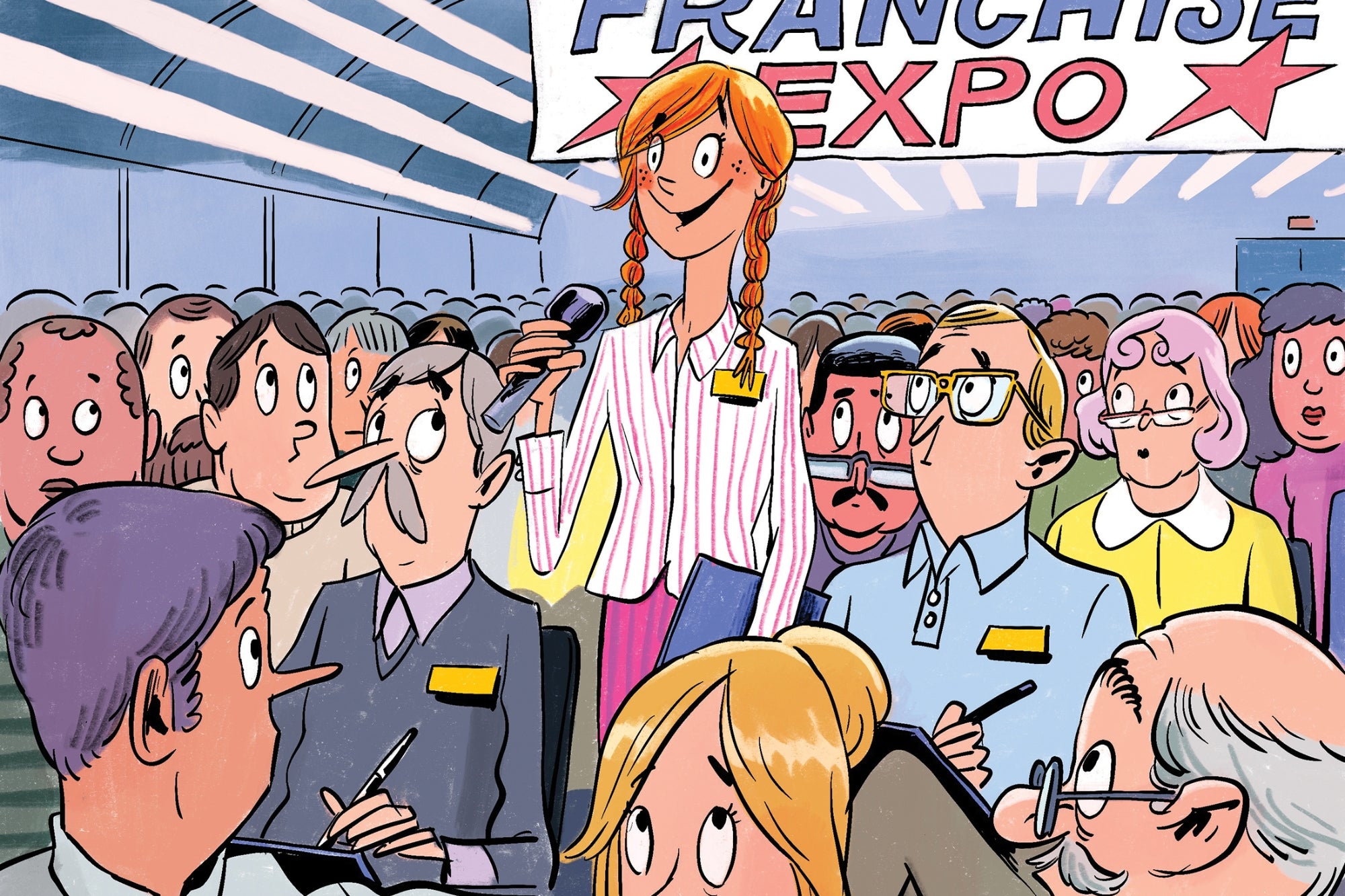
Gen Z Is Quitting Corporate for a Different Kind of Business Opportunity
- Perplexity CEO says his AI browser will replace these two white-collar jobs in every company – The Indian Express https://indianexpress.com/article/trending/trending-globally/perplexity-ceo-says-his-ai-browser-will-replace-these-two-white-collar-jobs-in-every-company-10139390/
Closing Thoughts
The common thread? Short-term fixes are colliding with long-term trust. Firms that slash early-career roles, overload managers, and yank flexibility are creating the very talent droughts they fear.
So ask: are your policies built for quarterly optics or durable engagement?
Spare notes: “quiet cracking” (worker disengagement’s latest label) is rising, and Coldplay-gate-turned-household-brand saga shows scandal as marketing fuel... stories for another week.
Video Edition
🎥 Prefer to watch? Check out the video edition of Paper Cut for sharp takes on this week’s biggest trends in employer branding and HR.
 EBN