


Another seven‑days shelf life for certainty. Accenture’s empire is questioned, Intel swaps marketers for algorithms, and even job applications arrive pre‑chewed by ChatGPT. Meanwhile Gen Z wants culture that feels less like performance art and more like safety.
Across the links a single theme emerges: if you lead people, you now juggle three live grenades. Automation is faster than policy, skills training lags behind, and the office itself is an ergonomic liability. Let us dissect.
This Week’s Paper Cut's
Jump to the video edition of this article
Algorithms vs Accenture
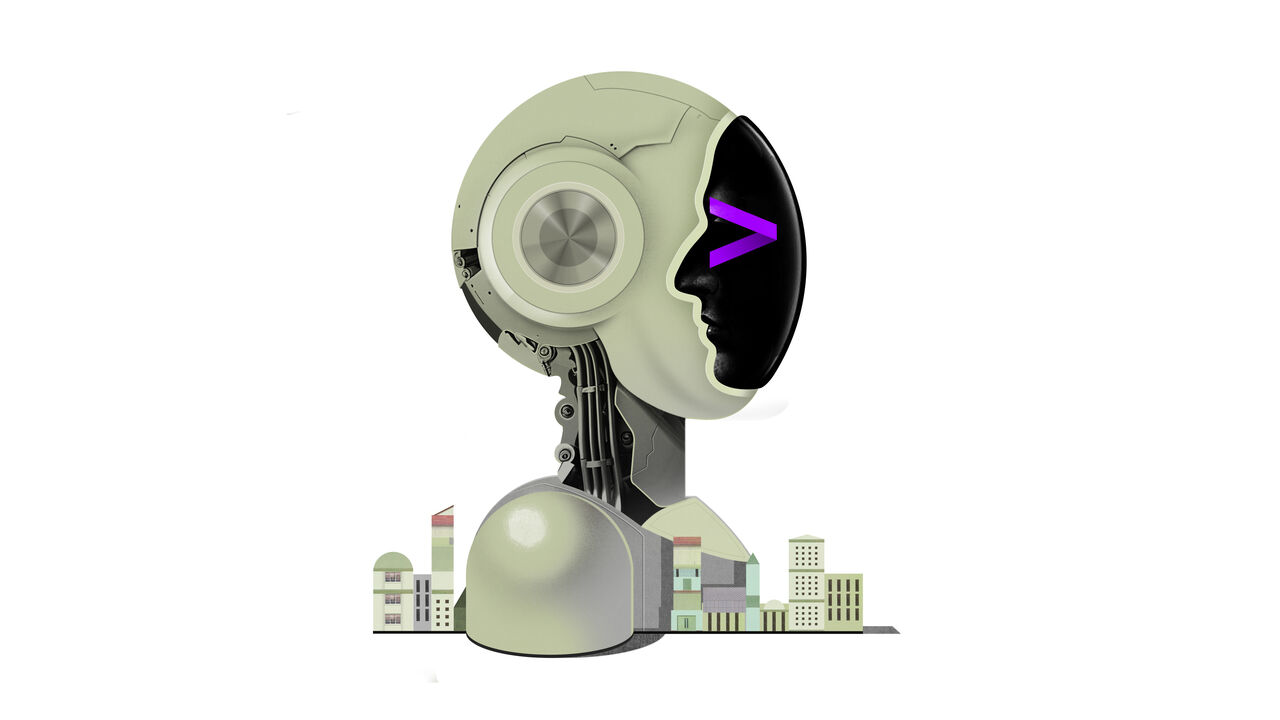
Consulting’s old pitch, hire smart humans to tell you what your data means, is crumbling. The Economist wonders who needs Accenture when AI can blueprint change at cloud speed. Intel has already tested the thesis by trimming marketing teams and leaning on both bots and, ironically, Accenture. CIOs confirm the trend: IT layoffs climb as generative tools take first‑pass coding and ticket triage.
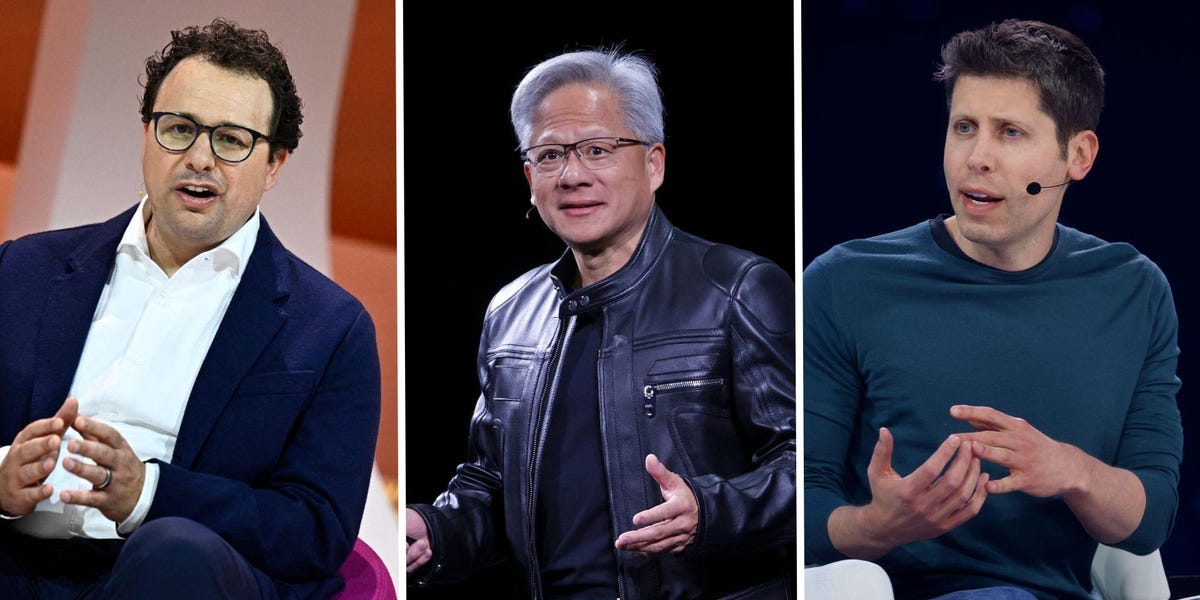
Tech leaders cannot even agree whether AI kills or creates jobs. Their public debate sounds less like vision and more like hedging before the next earnings call. The outcome is clear inside payroll systems: fewer junior seats, more vendor licenses.
Employer Brand POV:
If consultants are replaceable, so are “consultant‑style” job descriptions. Pivot messaging from brain‑for‑hire to builder‑of‑products. Show candidates the problems they will own, not the PowerPoints they will polish.
📌 Sources:
 The Economist
 Deepankur Mathur
 Sarah K. White

 Jack Sommers
 Digiday Editors

Paper Ceilings, Skills Ladders
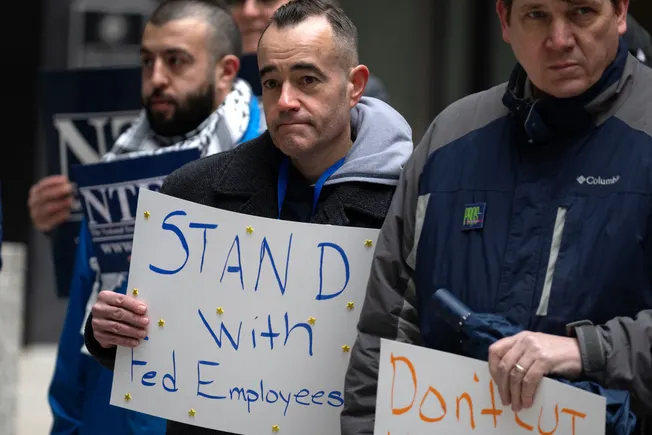
Jamie Dimon now rates cyber skills above college pedigree. SHRM’s latest data shows skills‑first hiring punches holes in the paper ceiling, widening internal mobility. A Ugandan op‑ed calls data science the century’s passport; Ken Griffin advises young analysts to pick careers they actually like before outsourcing reading lists to Blinkist.
Yet training budgets shrink after every layoff wave, leaving workers to self‑fund up‑skilling. The message to employees: acquire future skills off the clock, then hope your new competence is recognised through an HR chatbot.
Employer Brand POV:
Stop marketing “learning culture” if your LMS is a graveyard. Fund micro‑credentials employees nominate themselves. Tie salary bands to verified skills, not head‑count class of 2015.
📌 Sources:
 Preston Fore

 Roy Maurer
 Shubhangi Goel

 Ginger Christ
Culture Wars in Cubicle Land
The open office was meant to spark collisions of creativity. A global study now finds it mainly sparks noise complaints and sick days. Singapore’s older workers crave quieter zones while Gen Z craves any authenticity not sponsored by HR. Brands notice: turning employees into micro‑influencers feels cheaper than decent chairs.
Rolling Stone warns that company culture will make or break the class of 2025’s morale within weeks of onboarding. Bad acoustics plus canned storytelling equals disengagement faster than you can book a WeWork escape.
Employer Brand POV:
Culture is not a mural. Audit friction points—sound levels, meeting load, internal social posts—then kill the worst two within a quarter. Broadcast the decision as proof that feedback loops beat motivational posters.
📌 Sources:
 Editorial Team

 Malay Mail

 Vanshika Rastogi

 Brendan Keegan

Forecast: Patchy with Layoffs
HR Brew’s pulse check shows hiring optimism has slid for a third straight month. Futurism adds comic relief: bots now flood recruiters with AI‑generated applications so generic they mis‑spell the job title. Signal‑to‑noise plummets just as budgets tighten.
Employer Brand POV:
Your application funnel is not a numbers game any more. Build a short pre‑task that generic bots fail instantly, then hand‑hold the humans who pass. Quality metrics will recover and recruiters will stop hallucinating success.
📌 Sources:
 Joe Wilkins

Closing Thoughts
Consultancies face their Kodak moment. Skills passports outrank alma maters. The office is a zoo without zookeepers. Economic skies are dull grey with algorithms stealing the silver lining.
Leaders who acknowledge the chaos and publish a fix‑list, not a vision deck, will own the talent narrative. Everyone else will wonder why their EVP attracts only bots and exit interviews.
Video Edition
🎥 Prefer to watch? Check out the video edition of Paper Cut for sharp takes on this week’s biggest trends in employer branding and HR.
 EBN