


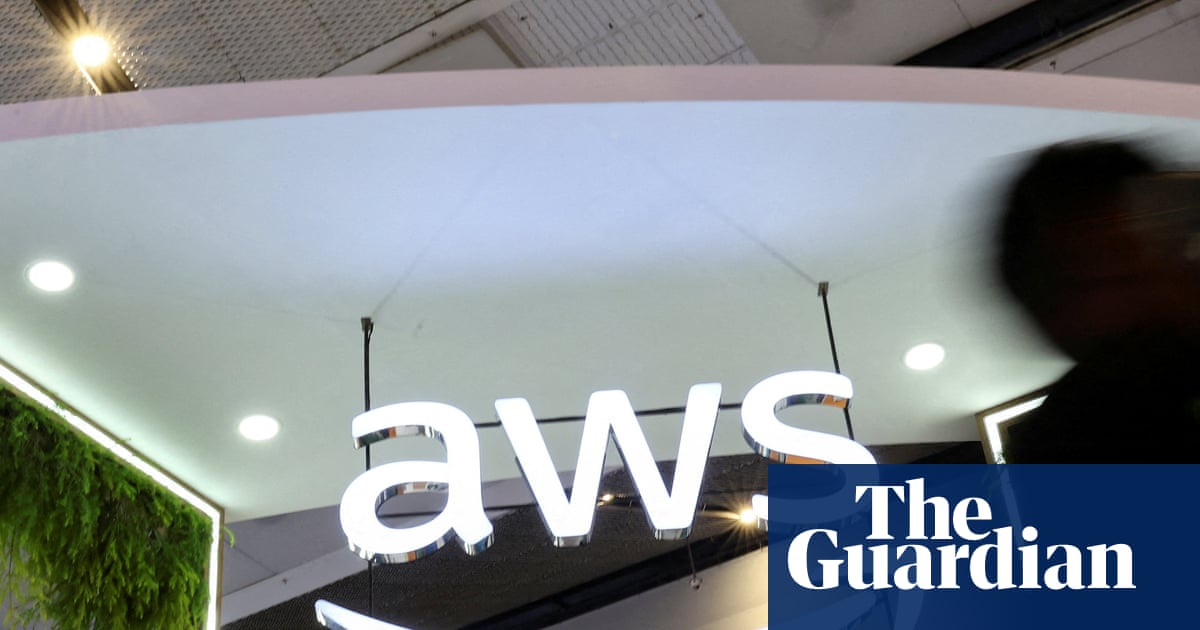
Amazon did not just announce another wave of cuts. It tripped over its own comms, sending a draft message and calendar invite that revealed “Project Dawn” before many employees had any clear, human explanation of what was happening.
That is why it matters beyond Amazon. In a month where “AI efficiency” is doing a lot of rhetorical heavy lifting, the credibility of leadership is increasingly built on basics: how change is communicated, how work is redesigned, and whether the promises of AI show up as something employees can actually feel in their week.

Helping HR, talent acquisition, employer branding, and company culture professionals find careers worth smiling about.
This Paper Cut follows the gap between what organisations say AI is doing, what employees think it is doing, and what happens when the story is told badly.
This Week’s Paper Cut's
Jump to the video edition of this article, or listen here ↯
We keep tracking to a minimum. This podcast is hosted on PodBean, which may place cookies that measure viewing and personalize content. We only load the player after you consent to these cookies. You can update your cookie settings any time.
Amazon’s layoff leak was a comms failure, not a tech story
The details are now clear enough to be instructive. Amazon told staff it would cut 16,000 roles globally, after an earlier round three months prior, and said the changes were intended to reduce layers, increase ownership, and remove bureaucracy.
But the part that will linger in people’s feeds is the delivery. A calendar invitation and draft email referencing “Project Dawn” circulated internally, then the official announcement followed. Even if the operational rationale is coherent, the sequence reads like an organisation optimising for efficiency while forgetting that uncertainty spreads faster than any memo.
Amazon’s own internal framing is also a useful signal for HR and employer brand teams. The company’s senior HR leader said this was not meant to become a recurring cadence of broad reductions, and outlined an internal job search window for affected US employees.
Employer Brand POV
Treat this as a case study in “trust debt”.
- Assume leaks, drafts and calendar artefacts will travel. Build a comms plan that survives screenshots.
- Put the human message first: what is changing, why, and what support exists, in plain language.
- Publish the internal mobility mechanics upfront: timelines, eligibility, decision rights, and manager expectations.
- Separate “AI efficiency” from “headcount reduction” unless you can evidence the connection responsibly.
- Train leaders to answer the same three questions consistently: why this, why now, and what happens next.
Sources:
 Joanna Partridge
 Eugene Kim

The AI reality gap is widening, and workers can feel it
In the UK, Randstad data reported by the Guardian shows a familiar split: employers investing and encouraging AI use, while a significant share of workers remain unconvinced the benefits flow to them. More than a quarter of UK workers said they fear their jobs could disappear within five years because of AI, and just under half of UK office workers surveyed believed AI would benefit companies more than employees.
Meanwhile, HRD Australia summarised research suggesting the impact of AI on jobs is uneven by market. In Morgan Stanley’s study of companies that have used AI for at least a year, UK firms reported an 8% net decline in employment over 12 months, and reported cutting or not backfilling about 23% of roles while creating 15% new positions.
Australia, by contrast, looks more cautious in deployment but still anxious about pace: fewer leaders report AI-driven revenue gains, even as policies and training programs spread.
The employer branding implication is uncomfortable but straightforward. When leaders sell “efficiency” without showing where the time goes, people assume the time will be banked by the company, not returned to the employee.
Employer Brand POV
Move from prompts to proof.
- Audit where AI is actually used, by team and workflow, then communicate it honestly.
- Measure the employee experience outcome, not just adoption: time saved, rework reduced, customer handoffs improved.
- Share the give-back: what the organisation is doing with reclaimed time (learning blocks, deeper work, faster decisions).
- Make AI governance visible: who owns quality, escalation, and risk sign-off.
Sources:
 Joanna Partridge

 HRD Staff

“AI agents” are the new confidence game, and the trust stakes are high
WIRED’s snapshot of how leaders and students talk about AI is a reminder that adoption is already normalised in daily life, even while trust remains shaky. The same piece points to survey findings on trust and usage that underline the problem: people will use the tools, but they do not automatically trust the institutions behind them.
At the racier end of the internet, Futurism amplified an unpeer-reviewed paper arguing for hard limits on agentic performance beyond relatively low complexity. That is not a definitive scientific verdict, but it reflects a broader pattern: big claims, mixed reliability, and a lot of organisations quietly discovering that automation still needs humans watching the edges.
Employer brand teams do not need to litigate whether “agents are ready”. They need to ensure leaders stop overselling capability internally, because employees can smell it when the demo fails in production.
Employer Brand POV
If you want buy-in, design for the moment the tool is wrong.
- Define where the tool can act autonomously, and where it must ask for help.
- Write the escalation path like an operational playbook, not a policy PDF.
- Train managers to reward responsible use (including saying “don’t use it here”), not performative usage.
Sources:
 Brian Barrett

 Frank Landymore

Generational tension is a proxy war for how work is changing
A Newsweek write-up of a survey on sales teams is a useful, if slightly grim, signal: 19% of Baby Boomers said they were planning to retire early because they are tired of dealing with Gen Z at work, and the same survey described AI adoption as a divider inside teams when usage is fragmented.
Take it as a warning: capability gaps are becoming identity fights. When one group moves faster with tools and another resists or is excluded, organisations do not just lose productivity. They lose mentorship, knowledge transfer, and basic cohesion.
Employer Brand POV
Do not brand around “future-ready”. Operationalise it.
- Pair AI enablement with cross-generational mentoring and explicit norms.
- Standardise the minimum toolkit for a role, then give people time to learn it.
- Promote managers who can reduce friction and raise the floor, not just celebrate early adopters.
Sources:
 Newsweek is a Trust Project member

The Cut List
A weekly roundup of layoffs and restructures, focused on what changed, what it signals, and what people leaders should do next.
1) What moved this week
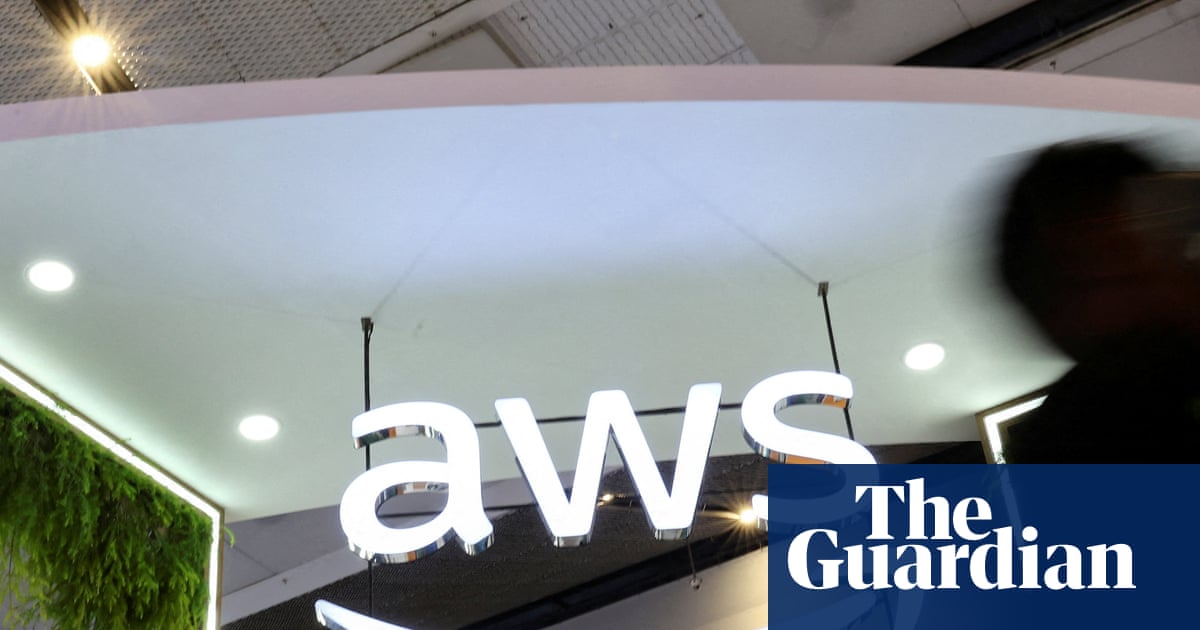
- Amazon: 16,000 global job cuts announced after an internal comms error and “Project Dawn” leak.
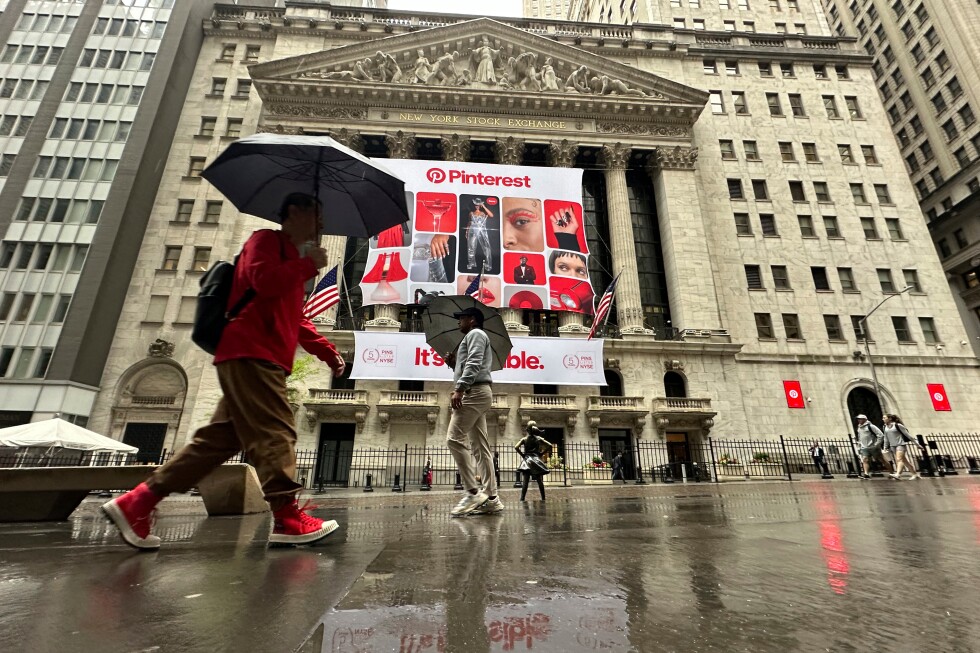
- Pinterest: Plans to lay off about 15% of its workforce and reduce office space as it shifts resources toward AI and other priorities.
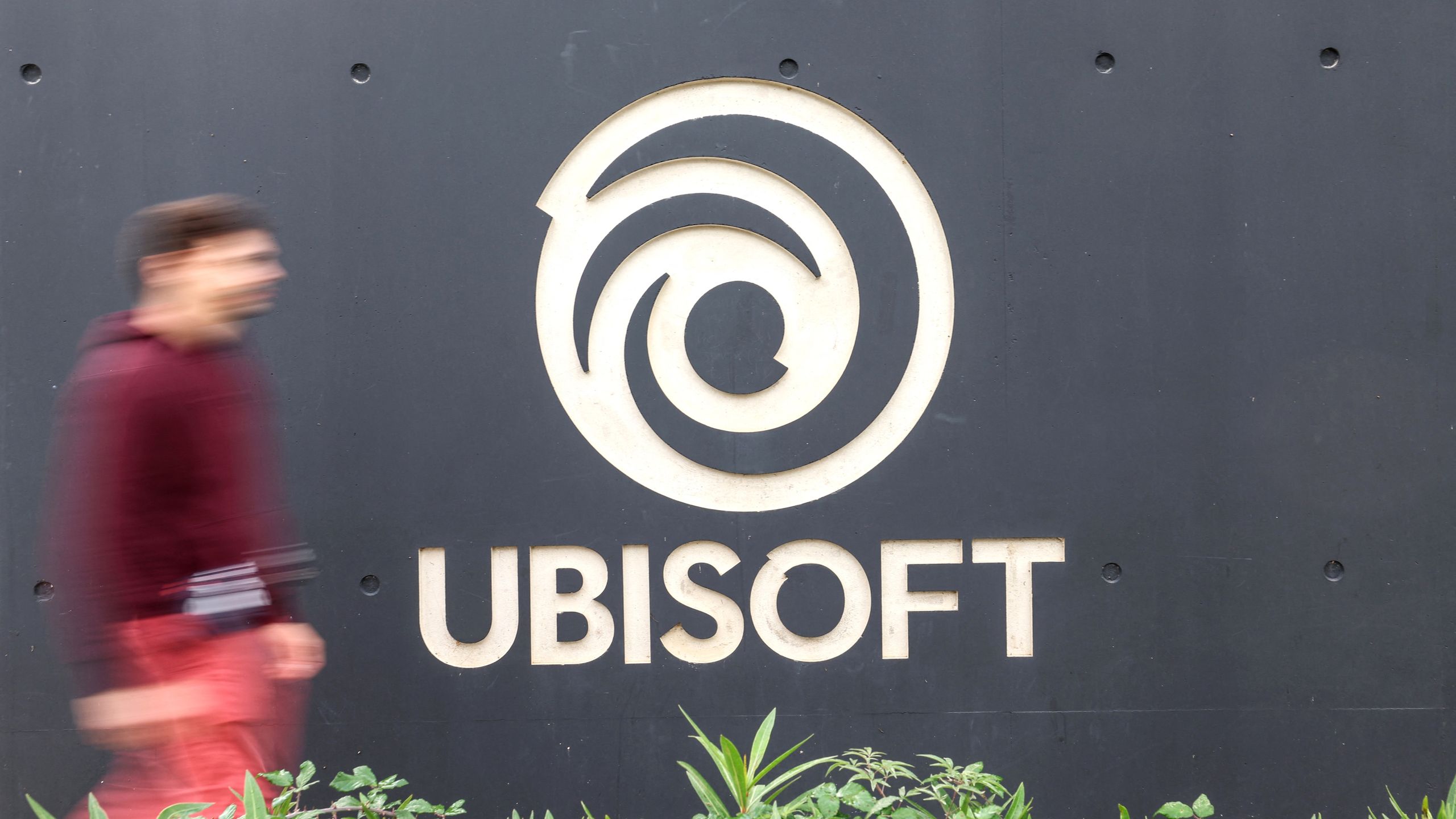
- Ubisoft: A push for voluntary departures at its Paris HQ, reported as an attempt to avoid formal layoffs.
2) What it signals
The pattern is less “AI took the jobs” and more “leaders are rebalancing cost, layers, and investment narratives”. AI is often part of the strategic story, but the workforce experience is shaped by execution: clarity, fairness, and whether people are treated like adults during change.
3) What to do if you are the one holding the microphone
Employer Brand POV
- Say what is true, early. If you do not know, say what you are doing to find out.
- Give affected employees a timeline that is operational, not aspirational.
- Put support in writing: internal redeployment rules, severance basics, references, and alumni pathways.
- Brief recruiters and hiring managers. Confusion travels outward fast.
- For the rest of the workforce, explain what stays the same. Stability is a retention strategy.
Sources:
 Joanna Partridge
 Eugene Kim

 Updated [hour]:[minute] [AMPM] [timezone], [monthFull] [day], [year]
 Andy Chalk
Closing thoughts
The most important AI question in employer branding is no longer “are we adopting it?” It is “can employees trust what we say about it?” This week’s Amazon story is a reminder that credibility is built in the unglamorous layers: comms discipline, workflow design, and proof people can point to.
If you want a simple weekly action: pick one AI workflow, publish the rules, measure the impact, and tell the truth about the trade-offs.
Video Edition
🎥 Prefer to watch? Check out the video edition of Paper Cut for sharp takes on this week’s biggest trends in employer branding and HR.
We keep tracking to a minimum. This video is hosted on YouTube, which may place cookies that measure viewing and personalize content. We only load the player after you consent to these cookies. You can update your cookie settings any time.
 EBN