


If your 2025 people plan depends on linear progress, put it in recycling. AI headlines swing between job apocalypse and productivity miracle. Some executives warn of mass displacement while others reassure employees that agents are just helpful sidekicks. Markets echo the confusion. Jobless claims look stable even as layoff trackers hum along. Candidates feel the churn in their inboxes and your managers feel it in their budget meetings.
Hybrid life is not one story either. The science on mental health is nuanced. Policy is getting stricter at some firms, softer in others, and quietly ignored in pockets of both. And privacy is not an abstract concept. If enterprise settings allow it, more of your messages are accessible than most employees realise. This edition connects the dots so your EVP does something useful: reduce fear, raise clarity, and make staying feel smarter than leaving.

Helping HR, talent acquisition, employer branding, and company culture professionals find careers worth smiling about.
We will tackle four knots. First, the AI reality check behind agent hype. Second, the labour market mirage of positive data and anxious workers. Third, hybrid’s messy middle and what actually makes it work. Fourth, the culture and privacy curveballs that will define trust in 2026.
This Week’s Paper Cut's
Jump to the video edition of this article, or listen here ↯
We keep tracking to a minimum. This podcast is hosted on PodBean, which may place cookies that measure viewing and personalize content. We only load the player after you consent to these cookies. You can update your cookie settings any time.
Agents, Anxiety, and the AI Reality Check
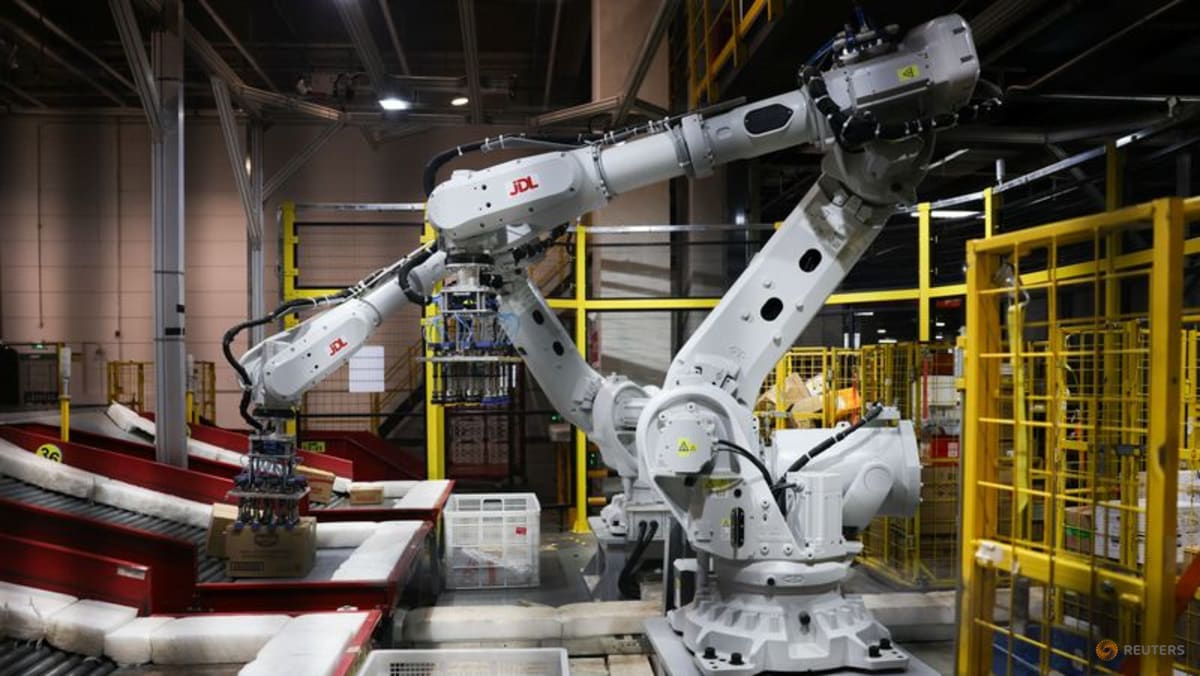
AI agents now “work for days,” at least according to product launches and demo stages. In the same breath, senior leaders reassure workers that agents will not replace them, they will just sweep up low value tasks. Tech elders, including researchers who helped build the field, continue to warn about large scale disruption. For HR and talent leaders, the deeper story is not a single tipping point. It is uneven automation.
Creative, customer, and coordination tasks are already being sliced into components, some automated, some reshaped, and some left awkwardly in the middle. Workers quietly outsource pieces of thinking to tools. That can raise output and lower judgment at the same time. It can also erode early career learning if the first draft or the first analysis always comes from a model. That is a management and job design problem, not something that can be solved in a keynote slide.
The teams that win will pair human decisiveness with machine persistence. Skills shift from rote production to orchestration: setting clear goals, choosing the right tools, auditing outputs, and intervening when the model is wrong or biased. Companies that behave as if nothing has changed will cut the wrong roles and let shadow automation spread. Companies that behave as if everything has changed will panic restructure, burn through trust, and still need humans to clean up the mess.
Employer Brand POV
Drop the “robots vs humans” storyline. Publish a simple two column plan: tasks you will automate in the next 12 to 24 months, and skills you will fund for the same period. Promise real reskilling hours and budget, not just “access to a learning portal.” Show where agents fit into workflows, who owns quality, and which decisions stay with humans by design. Hiring signals should emphasise judgment, abstraction, and cross functional coordination. That is how you stop your best people quietly outsourcing their own value to a chatbot and wondering if your organisation will notice.
📌 Sources:
 TOI Tech Desk
 Preston Fore

 Lila Shroff

 TOI Tech Desk
Labor Market Mirage: Sunny Data, Stormy Feels
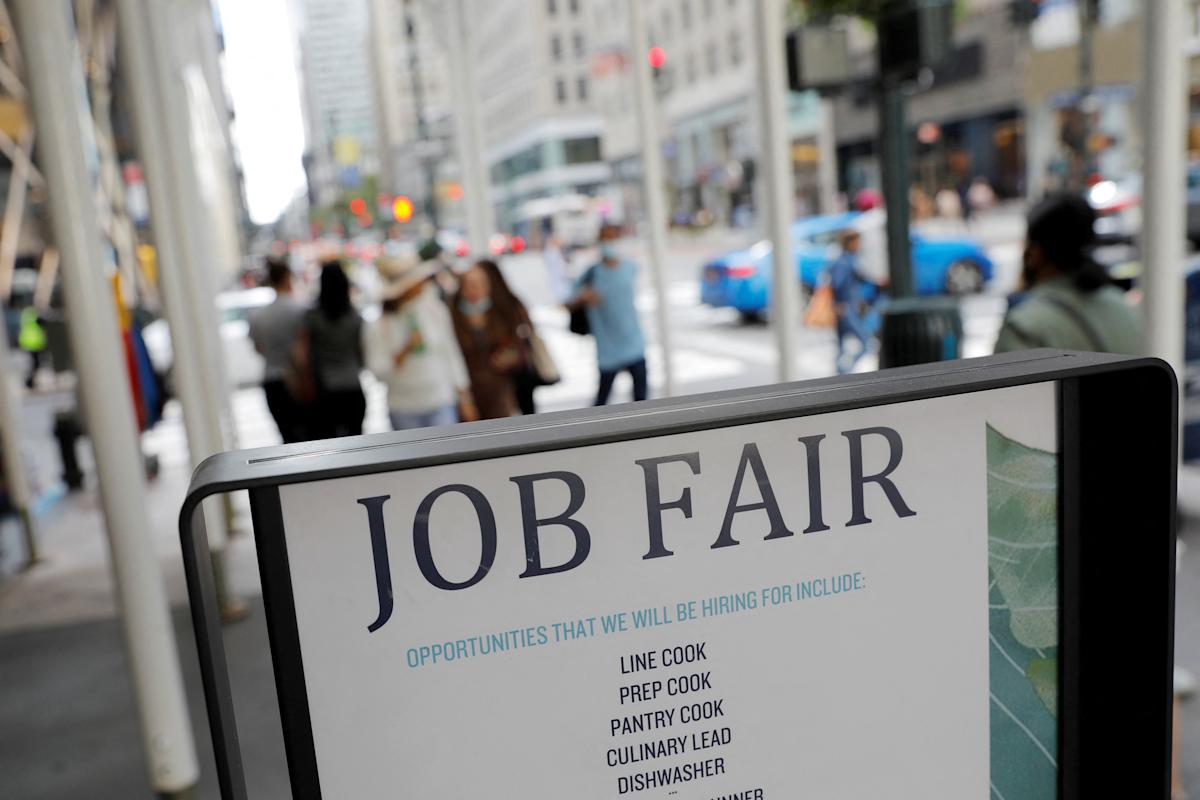
On paper, the labour market still looks resilient. Weekly jobless claims in the United States have fallen to multi year lows. At the same time, private payrolls have dipped, and sector specific layoff trackers log tens of thousands of cuts. In the United Kingdom, new graduates face thinner wage premiums than Millennials did at the same stage. Manufacturing employers in the United States talk about millions of roles to fill, while one key trade remains stubbornly unattractive to young workers.
The story is not collapse. It is fragmentation and uncertainty. Some sectors are still hiring aggressively. Others are slowing, automating, or quietly freezing backfills. Candidates do not experience “the economy” as a macro chart. They experience a delayed offer, a rescinded role, a rejected backfill request, or a manager told to “do more with less” for another cycle. That produces anxiety even when headline indicators look benign.
If your employer brand still leans on generic “We are growing fast” copy, people will roll their eyes. They are looking for evidence of stability, mobility, and fairness, not slogans. That means being honest about hiring pace, skills gaps, and the real rules of internal moves. Labour optics matter because LinkedIn, WhatsApp groups, and alumni networks pick up inconsistencies quickly.
Employer Brand POV
Publish your internal mobility scorecard at least annually, ideally quarterly. Show conversion rates from contract to permanent, time to first promotion by role family, and the top three skills that feature in 2026 priority roles. Replace general “growth” language with a simple ladder and bridge map: how someone in Role A can move to Role B in 12 to 18 months with funded learning, clear milestones, and manager support. Done well, that turns macro market anxiety into a reason to stay rather than a push to leave.
📌 Sources:
 Reuters

 Emma Ockerman
 Preston Fore

 Emma Burleigh

- https://www.reuters.com/world/us/us-weekly-jobless-claims-drop-lowest-level-more-than-three-years-2025-12-04/
- https://www.telegraph.co.uk/business/2025/12/02/private-sector-employers-warn-job-cuts-and-hiring-freeze/
Hybrid, Happiness, and the House Rules
Large longitudinal data sets suggest working from home affects mental health in complex, context dependent ways. Hybrid arrangements can be a pressure valve for some workers, particularly those with long commutes or caring responsibilities. For others, isolation, blurred boundaries, and always on expectations erode wellbeing. Policy, culture, job design, and manager skill decide whether remote is a perk, a tax, or both at different times.
At the same time, some firms are tightening return to office rules, escalating consequences for non compliance, and framing presence as a test of commitment. Others are quietly optimising for remote first or “office optional” models, investing in digital infrastructure and asynchronous practices instead of badge swipes. Legislators are still debating how far to go in codifying hybrid rights and responsibilities.
The smart move is not to declare “remote good” or “office good.” It is to obsess about “job design good.” Hybrid that respects deep work, shared rituals, and predictable flexibility beats any three letter policy. Collaboration days that are genuinely about connection, craft, and problem solving create different outcomes from days that feel like surveillance with snacks. When RTO memos read like punishment or nostalgia, top talent reads them as a signal to reactivate search alerts.
Employer Brand POV
Codify “when we meet” rather than “where we sit.” Define collaboration days with clear purpose and outcomes. Guarantee no meeting focus blocks each week and train managers to spot and correct proximity bias in performance decisions. Publish wellbeing guardrails by role and level, so expectations are transparent, not folklore. If you are remote first, show your onboarding and early career playbook. If you are office leaning, show the value of presence beyond hallway vibes and “we like to see people.”
📌 Sources:
 Ferdi Botha



 Jonathan Vanian

 The Conversation

 Jeffrey R. Smith

Culture, Privacy, and the Trust Tax
Trust remains the basic currency of work. Two culture shocks stand out in this cycle. First, privacy. If enterprise settings allow it, your employer can access more messaging and device data than most employees assume, especially where consumer tools blur into workplace platforms. High profile stories about platforms sharing message content with employers, even when nuanced on inspection, create a chill.
Second, norms. Office attire rules are being rewritten, sometimes in confusing ways. Executives talk publicly about extreme work habits, including seven day work weeks and constant anxiety, and these statements travel far beyond investor calls. Mixed signals about what “good” looks like, combined with worries about AI amplifying inequality and data showing Gen Z workers among the least happy, create a brand problem disguised as a tech problem.
Your people do not need slogans. They need a pact they can see and test. That means spelling out surveillance boundaries, data access rules, and manager expectations in plain language. It also means being explicit about how AI is used in hiring, performance, and day to day work and where humans can review or challenge decisions. Less mythology, more mutual protection.
Employer Brand POV
Publish a short “Trust Bill” with five practical promises: device privacy limits, communications transparency, human review for AI assisted decisions, predictable schedules or rota rules, and mental health boundaries that managers are trained to uphold. Pair it with culture standards that are inclusive without being performative, and that recognise discipline as a leadership behaviour, not a dress code. Then build in ways for employees to see whether the promises are kept, such as transparent policy changes, clear appeal routes, and regular listening.
📌 Sources:
 Zak Doffman

 RNZ News
 Mehnaz Rafi

 Louisa Tang
 Gustavo Razzetti

 Jessica Coacci
Closing Thoughts
The most honest move leadership can make right now is to stop promising certainty and start promising competence. If 2026 becomes the year of “job hugging,” it will not be because people fell in love with their desks. It will be because leaders made staying feel safer and smarter than hopping, especially for those who already feel the market’s unevenness.
That work is not about snacks or slogans. It is about credible skill paths, sane policies on where and how work gets done, and clarity on where humans still win and always will need to be in the loop. It is about designing roles where people learn, not just supervise models.
If you want loyalty, ship the pact first and the poster later. Everything else is expensive noise that travels fast and ages badly on review sites.
Video Edition
🎥 Prefer to watch? Check out the video edition of Paper Cut for sharp takes on this week’s biggest trends in employer branding and HR.
We keep tracking to a minimum. This video is hosted on YouTube, which may place cookies that measure viewing and personalize content. We only load the player after you consent to these cookies. You can update your cookie settings any time.
 EBN