


Welcome to Paper Cut, where we slice through the week’s noise to bring you the stories that matter most in employer branding and talent acquisition. This isn’t your typical newsletter—it’s a carefully curated snapshot of the trends, insights, and ideas shaping the future of work. Think sharp takes, clear insights, and just enough edge to keep things interesting.
Meta and McDonald’s are taking drastically different approaches to DEI, sparking debate about the future of inclusion in the workplace. Gen Z is rewriting the hiring rules with a bold new trend: career catfishing, while employee advocacy emerges as a budget-friendly way to amplify your brand. Meanwhile, Canva takes aim at boring resumes with their shiny new “skills passports,” LinkedIn predicts recruiters will soon be as essential as coffee, and HR departments are sweating over how to close Gen Z’s skills gap by 2025. Hybrid work continues to rewrite hiring playbooks, and new research shows that companies with strong employee value propositions don’t just attract talent—they lead in innovation. Let’s get cutting.
This Week's Paper Cuts
Jump to the video version of this article.
Meta and McDonald’s: A Fork in the DEI Road
Meta has eliminated its DEI programs entirely, while McDonald’s is opting to rebrand its diversity efforts under pressure. These moves reflect a stark divide in how major corporations are approaching inclusion in 2025. Is this a retreat from meaningful action or a tactical shift? For HR leaders, it’s a wake-up call to evaluate their own strategies for fostering a culture of belonging.
 Adria R Walker

Career Catfishing: Gen Z’s Power Move
Gen Z is flipping the hiring script with “career catfishing,” a trend where candidates bluff their way into interviews for jobs they don’t want—just to ghost employers later. This audacious response to outdated hiring practices sends a clear message: younger talent wants more transparency and authenticity. If your process feels cold or transactional, don’t be surprised when candidates mirror that behavior.
 Chloe Berger

Employee Advocacy: The Secret to Scaling Brand Reach
Tight marketing budgets have companies scrambling for cost-effective ways to grow their brand reach. Enter employee advocacy: empowering your team to share authentic, meaningful content about your workplace. As Global Banking and Finance Review highlights, this approach boosts engagement, strengthens culture, and keeps costs low. The takeaway? Advocacy works best when it’s simple, rewarding, and real.
 Jessica Weisman-Pitts

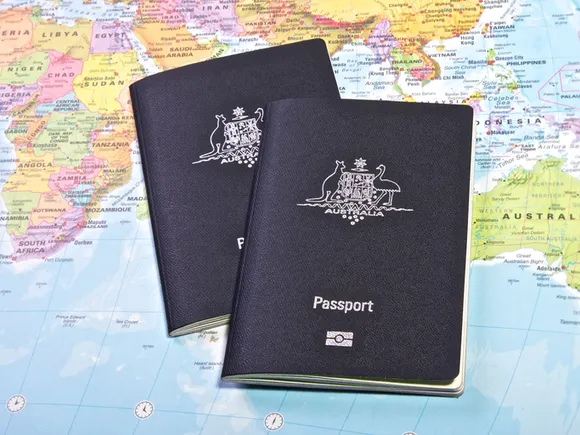
Canva’s Skills Passports Might Just Dethrone the Resume
Say goodbye to generic CVs. Canva’s “skills passports” are offering candidates a fresh way to showcase verified capabilities, making it easier for recruiters to see who can actually deliver. For HR, it’s time to rethink talent evaluations—because this change isn’t just cosmetic; it’s functional.
 Ginger Christ
Recruiters: The Talent Market’s New MVPs by 2025
LinkedIn’s latest report says recruiters are about to become the rock stars of talent acquisition. With demand for their skills projected to soar, organizations should start thinking about how to not just hire, but retain the best in the business. After all, what’s a talent strategy without the right talent scouts?
 Authored byGreg Lewis

Gen Z’s Skills Gap is an HR Fire Drill Waiting to Happen
Worklife warns that Gen Z is entering the workforce with plenty of ambition but a noticeable lack of critical skills. For HR, the message is clear: prioritizing development programs isn’t just a nice-to-have—it’s essential to future-proof your workforce. Ignore it, and you might be onboarding frustration instead of talent.
 Tony Case

Hybrid Work is Reshaping Hiring Trends (Again)
The U.S. Chamber of Commerce reports that hybrid work isn’t just a trend; it’s the new baseline. For hiring, this means flexibility is no longer a perk—it’s table stakes. If your job listings don’t scream “work from anywhere,” you might as well put out a sign that says, “top talent need not apply.”
 Emily Heaslip

Strong EVP, Stronger Innovation
Research from HR Dive shows that companies with a robust employee value proposition (EVP) aren’t just attracting great people—they’re also more innovative. Why? Because employees who feel valued tend to think bigger. It’s a compelling argument for investing in culture, not just compensation.
 Carolyn Crist

What Does It All Mean?
This week’s stories underline a critical truth: the workplace is in flux, and those who adapt quickly will lead.
Meta’s decision to drop DEI initiatives and McDonald’s rebrand of its diversity efforts highlight how companies are struggling—or pivoting—to align their strategies with shifting cultural and external pressures.
Gen Z’s career catfishing trend shows the need for transparency, authenticity, and engagement in recruitment, while employee advocacy reminds us that your greatest brand ambassadors are already on the payroll.
As hybrid work solidifies its place and skills gaps widen, the question is no longer whether to change, but how quickly you can act.
Start small: evaluate your EVP, simplify your advocacy efforts, and reimagine your hiring practices for flexibility and innovation. Whether it’s rethinking resumes, upskilling your workforce, or simply listening more to your employees, the opportunities are there; time to cut through the noise and act decisively.
Thanks for reading. See you next week.
Video Version
🎥 Prefer to watch? Check out the video edition of Paper Cut for sharp takes on this week’s biggest trends in employer branding and HR.
 EBN