


Welcome back to Paper Cut, where we slice through the week’s noise to deliver the stories that matter most in employer branding, talent attraction, and HR.
This week, Apple and Amazon take very different approaches to DEI, WPP’s return-to-office mandate causes waves, AI-driven roles dominate job growth predictions, and new antitrust guidelines for HR are here to shake things up. Let’s dive in.
This Week's Paper Cuts
Jump to the video version of this article.
Apple Takes a Stand on DEI
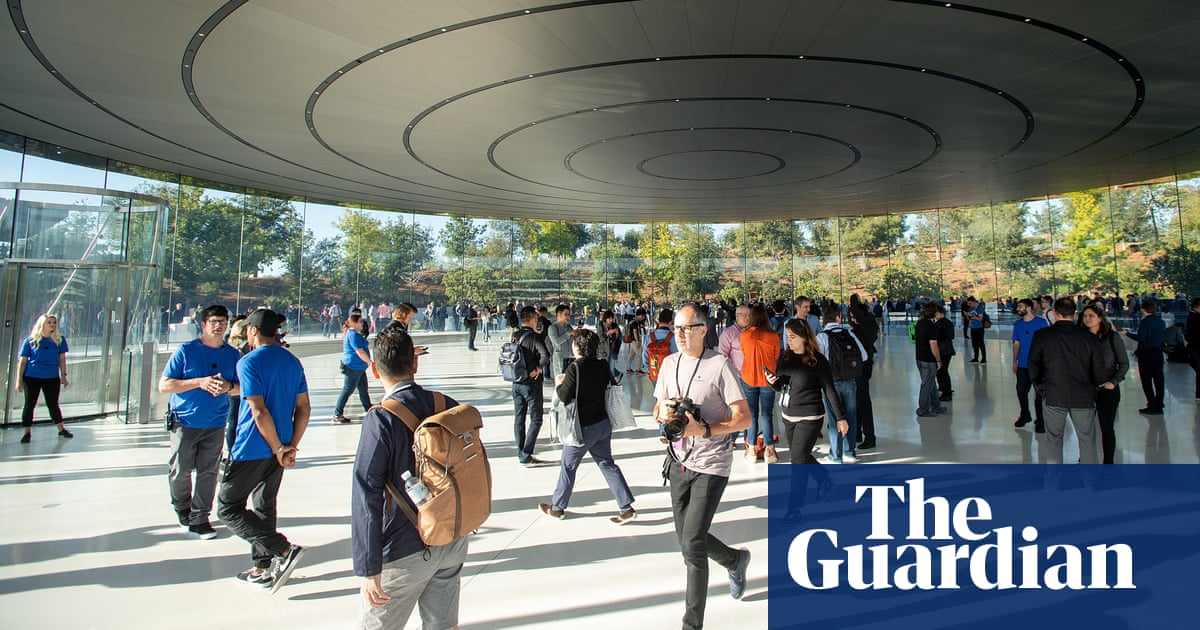
Apple’s board is urging shareholders to reject a proposal to eliminate diversity initiatives, signaling a firm commitment to inclusion despite external pressures. With investors demanding more transparency around DEI, this move puts Apple in the spotlight as a company willing to defend its values. While some corporations are stepping away from DEI programs, Apple’s decision could position it as a leader in values-driven workplace practices.
👉 Read more: The Guardian | Forbes
 Dan Milmo
Amazon Scales Back DEI Programs
In stark contrast to Apple, Amazon is reportedly scaling back some of its DEI initiatives, including specific programs designed to support diversity hiring and advancement. This move has sparked concern among employees and external stakeholders about the company’s long-term commitment to inclusion. As one of the world’s largest employers, Amazon’s decision could set a concerning precedent for other organizations under similar pressures to cut costs.
👉 Read more: The Guardian
 Reuters
WPP’s RTO Mandate Faces Backlash
WPP, the world’s largest advertising company, has implemented a return-to-office (RTO) mandate, requiring employees to spend more time in-office. Unsurprisingly, the policy has faced backlash, with many employees citing childcare challenges and the preference for hybrid flexibility as major barriers. The growing disconnect between the C-suite and employees on this issue highlights a broader industry trend—are RTO mandates bold leadership or just a recipe for talent loss? Companies watching this unfold should ask themselves how such policies align with employee needs in 2025.
👉 Read more: LinkedIn | HR Grapevine
 Employer Branding News

AI Jobs Dominate Growth Predictions
AI-powered roles are taking center stage as some of the fastest-growing jobs in 2025. Dubbed "superworkers," these employees leverage AI tools to drive efficiency and innovation. Roles like AI trainers, analysts, and even recruiters are emerging as critical components of the workforce. As AI becomes an integral part of how companies operate, organizations must prioritize upskilling their teams to stay competitive. This shift signals a clear demand for adaptable workers who can blend human creativity with machine intelligence.
👉 Read more: Josh Bersin | Fast Company

FTC and DOJ Announce New Antitrust Guidelines for HR
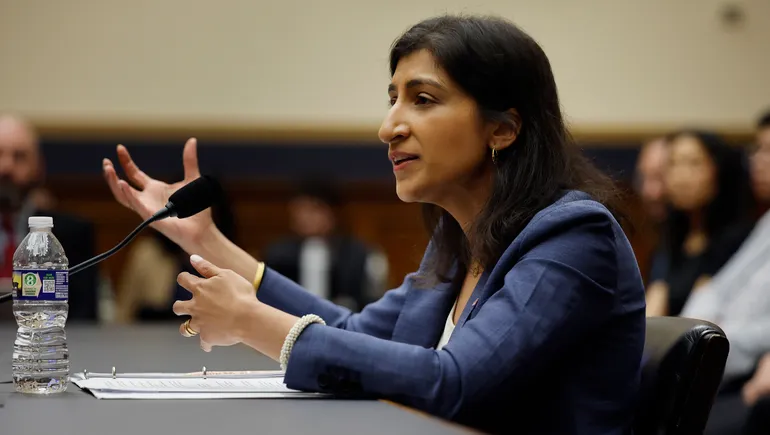
The FTC and DOJ have issued updated antitrust guidelines that directly affect HR practices, targeting issues like wage fixing, anti-poaching agreements, and non-compete clauses. These changes are aimed at ensuring fair competition in hiring and employee management. HR leaders need to carefully review their current policies and practices to avoid falling foul of the law. This is a wake-up call for companies to rethink how they manage talent while staying compliant in a rapidly evolving legal landscape.
👉 Read more: HR Dive
 Kathryn Moody
Closing Thoughts
This week’s stories make one thing clear: the landscape of work is evolving faster than ever.
Apple’s stance on DEI, Amazon’s retreat, and WPP’s RTO push show how diverging strategies can define a company’s reputation.
Meanwhile, the rise of AI-powered roles and updated antitrust guidelines are shaping how organizations hire, innovate, and remain competitive.
Start small—evaluate your DEI strategies, explore opportunities for AI adoption, and ensure compliance with the latest antitrust regulations. The companies that adapt quickly to these changes will set themselves apart.
Thanks for reading. See you next week.
Video Version
🎥 Prefer to watch? Check out the video edition of Paper Cut for sharp takes on this week’s biggest trends in employer branding and HR.
 EBN