


Employer brand used to live in campaigns and careers pages. It still does, but the centre of gravity has moved. Reputation now forms inside day-to-day decisions: who owns the talent story, how leaders behave when no one is watching, how hiring is designed, and whether AI actually improves work or just expands it.

Your employees know the truth. Does your EVP? At Fathom we measure the "Credibility Gap" between your promise and their reality.
This week’s reading makes one theme hard to ignore. The organisations that look “great at employer branding” are increasingly the ones that behave as if it is an operating system. Cross-functional by default, specific about expectations, and brutally honest about the parts that are changing.
This Week’s Paper Cut's
Jump to the video edition of this article, or listen here ↯
We keep tracking to a minimum. This podcast is hosted on PodBean, which may place cookies that measure viewing and personalize content. We only load the player after you consent to these cookies. You can update your cookie settings any time.
Employer branding is becoming a marketing problem, and HR may not have the headcount to carry it alone
MIT Sloan Management Review made a clear case for why CMOs and marketing teams are well positioned to lead employer branding, largely because the mechanics look familiar: audience, lifecycle, channels, and advocacy, except the audience is candidates and employees instead of customers. (MIT Sloan Management Review)
At the same time, the HR function itself is being reshaped by labour demand and skill expectations. A SHRM-linked analysis reported that average active HR job postings in December 2025 were 78% of February 2020 levels, despite growth in HR employment since 2020 and an increasing emphasis on advanced skills, including AI and machine learning. (Human Resources Director)
Put those together and the organisational implication is obvious. Employer brand is expanding in importance, while many HR teams are expected to do more with less. That creates a fork in the road. Either marketing and HR build a shared operating model, or employer branding gets stuck between functions and turns into a monthly content plan with no authority behind it.
Employer Brand POV:
Treat employer branding like a joint product. Give it shared ownership across HR, marketing, and internal comms, with one clear accountable lead. Align on a single funnel from awareness to advocacy, and measure it like a business system: quality of hire, time-to-accept, regretted attrition, mobility, and referral rate. If HR capacity is tight, simplify the work, fewer narratives, more proof.
📌 Sources:
 Dipanjan Chatterjee, Melissa Bongarzone, and Alex Schanne

 Jonalyn Cueto

When leaders misbehave, “culture” stops being a values discussion and becomes an HR process test
HR Dive’s question was blunt: what is HR’s responsibility when leaders misbehave? The answer, as framed in the piece, sits in the uncomfortable overlap between accountability, investigation, and power. HR can be expected to handle complaints, run fair processes, advise decision-makers, and protect the organisation. That role becomes harder when the person involved is senior, high-performing, or politically protected. (hrdive.com)
Employer brand leaders should pay attention for a simple reason. Candidates and employees rarely experience “culture” through posters. They experience it through who gets away with what, how quickly concerns are taken seriously, and whether consequences apply consistently.
This is also where employer branding can quietly fail. Organisations often communicate values with confidence, but the internal system for dealing with misconduct is vague, slow, or overly dependent on the courage of individuals. The gap shows up later as turnover, Glassdoor reviews, and a recruitment team explaining away reputational damage one awkward screening call at a time.
Employer Brand POV:
Build the credibility layer. Publish clear behavioural standards for leaders, separate from general values language. Make reporting routes easy to understand, and make investigation steps predictable, even if outcomes remain confidential. Train managers on boundaries and escalation. Most importantly, do not outsource trust to comms. Trust is built by the process holding up under pressure.
📌 Sources:
 Ryan Golden

If you can’t fill roles, check whether your hiring system is manufacturing the shortage
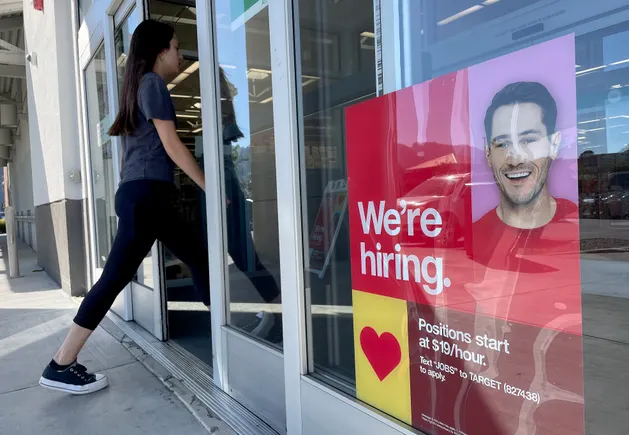
HR leaders do not always like hearing this, but it is increasingly hard to deny. A recent HR Dive report, drawing on iSolved research, found many HR leaders described their skills and talent crises as self-inflicted. The same reporting pointed to time lost to repetitive work and a belief that automation and AI could improve efficiency, if the basics were fixed. (Human Resources Director)
Meanwhile, LinkedIn data cited in an India-focused report highlighted persistent talent shortages and shifting demand linked to AI hiring trends. The details vary by market, but the pressure is familiar: employers want “ready now” candidates, while the pathway to becoming “ready now” is getting narrower and more expensive. (hrdive.com)
The practical takeaway is less philosophical than it sounds. Hiring systems break in predictable ways: inflated requirements, too many steps, unclear decision rights, and managers using “culture fit” as a substitute for defining the job. Then organisations call it a skills shortage.
Employer Brand POV:
Make hiring easier to succeed at. Cut steps that do not change decisions. Define “must-have” skills in plain language, and stop screening for five years of experience when the work can be learned in six months. Use structured interviews, publish realistic timelines, and give candidates real information about the work. If you want a stronger pipeline, design one. Do not wait for the labour market to donate it.
📌 Sources:
 Lara Ewen Contributor
 Telangana Today

AI is changing career decisions in real time, and policy is starting to chase the consequences
The Guardian’s reporting on “the big AI job swap” put human stories behind the trend. People in professional and entry-level office paths described work drying up, being pushed into editing AI output for lower pay, or moving toward trades and hospitality because those roles feel more “AI-proof”. (The Guardian)
At the same time, the workplace reality of AI adoption is starting to look messier than the marketing. Futurism covered research describing “workload creep”, where AI tools do not reduce work so much as expand expectations, with knock-on effects like fatigue, burnout, and additional rework when outputs are wrong. (Futurism)
Governments are paying attention too. In South Korea, policymakers have moved toward an “AI job protection” bill, with provisions aimed at protecting workers and shaping how AI-driven change is handled. (Human Resources Director)
For employer brand and talent leaders, the takeaway is not that AI is “good” or “bad”. It is that AI is now part of career risk perception. People are making training, mobility, and exit decisions based on whether they believe their role has a future.
Employer Brand POV:
Do three things consistently:
- Tell the truth about which tasks are changing and which roles are growing.
- Fund reskilling in ways employees can actually use, time, managers, and clear pathways.
- Put guardrails around AI usage so “efficiency” does not quietly become “more work for the same pay”.
📌 Sources:
 Lucy Knight

 Frank Landymore

 Jonalyn Cueto

The Cut List
The Cut List is EBN’s quick, factual round-up of job cuts and restructures worth tracking, without letting layoffs dominate the week.
What happened
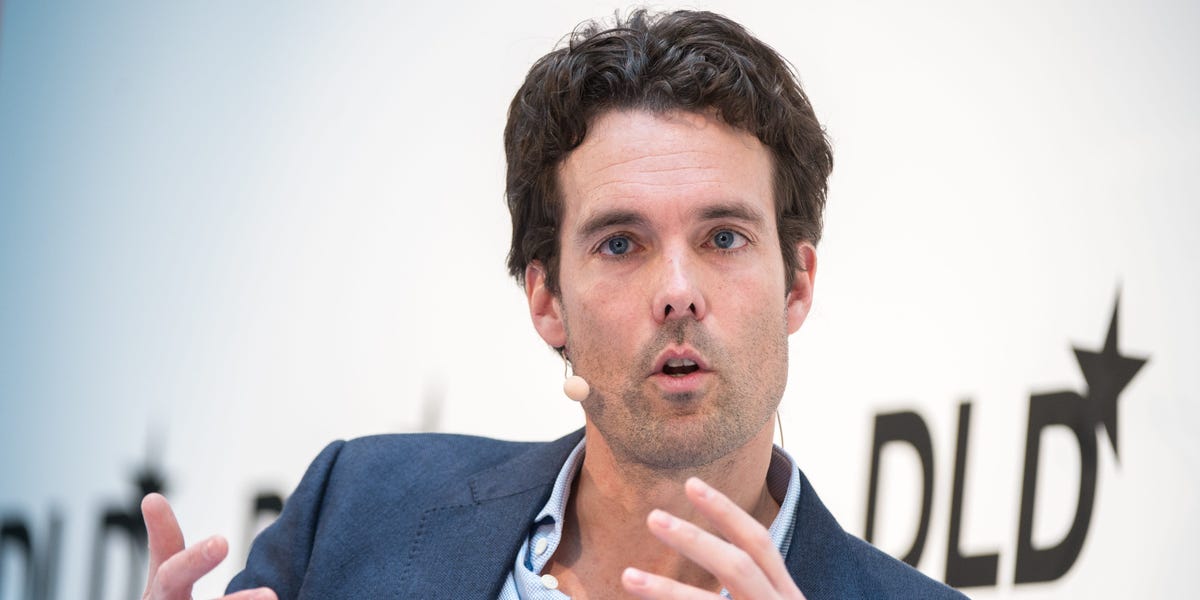
- Salesforce: TheStreet reported the company quietly cut hundreds of roles in February, with sources suggesting fewer than 1,000 roles impacted, including marketing, product management, data analytics, and work connected to its Agentforce product. (TheStreet)
- Google: Business Insider reported a voluntary exit program for some roles inside Google’s Global Business Organization in the US, while excluding customer-facing roles from the program. (Business Insider)
What to watch
- Whether companies can explain changes in a way that employees and candidates recognise as coherent, not just financially convenient.
- Whether “AI adoption” is paired with workload design, training, and clear job architecture, or left to individual teams to absorb.
Employer Brand POV:
If you restructure, communicate like an adult. Explain the rationale, the support, and the hiring plan, if any. Give managers a script that matches reality. Candidates will hear about it anyway, the question is whether they hear it from you first.
📌 Sources:
 Hugh Langley
- https://www.thestreet.com/employment/major-tech-firm-quietly-lays-off-hundreds-in-ai-related-shakeup
Closing Thoughts
Employer branding is becoming less about what organisations say, and more about whether their systems can withstand scrutiny. Who owns the story, how leaders are held to account, how hiring works in practice, and whether AI makes work better or simply denser.
Your move this week: pick one of those systems and tighten it. Then tell the story with evidence.
Video Edition
🎥 Prefer to watch? Check out the video edition of Paper Cut for sharp takes on this week’s biggest trends in employer branding and HR.
We keep tracking to a minimum. This video is hosted on YouTube, which may place cookies that measure viewing and personalize content. We only load the player after you consent to these cookies. You can update your cookie settings any time.
 EBN