


There’s a new workplace bargain forming, and it is not subtle.
Employees are looking at pay with fresh suspicion, because everything is more expensive and the promises are thinner. Leaders are looking at AI with fresh ambition, because “doing more” still sounds better than “hiring more”. Somewhere between the two sits a widening gap in trust, and trust gaps create paperwork.

Your employees know the truth. Does your EVP? At Fathom we measure the "Credibility Gap" between your promise and their reality.
This week’s stories sit across four themes, plus The Cut List. Read them as one thread: when the deal changes, people notice. When people notice, they change their behaviour before they change their job.
This Week’s Paper Cut's
Watch or listen here ↯
We keep tracking to a minimum. The video is hosted on YouTube and the podcast is hosted on PodBean, which may place cookies that measure viewing and personalize content. We only load the player after you consent to these cookies. You can update your cookie settings any time.
Burnout is up, confidence is down, and pay is the battleground
Burnout is no longer a wellbeing footnote. It is showing up as a confidence problem. When people feel stretched, they stop believing the company’s outlook, they assume more cuts are coming, and they treat every new initiative as a disguised workload increase.
That lands directly on pay. The compensation conversation is getting louder because it has to. If leaders want effort, they need clarity: what gets rewarded, what gets promoted, what gets protected. Pay is one of the few levers workers still trust because it is measurable in the boring, old-fashioned way. Money clears. Culture decks do not.
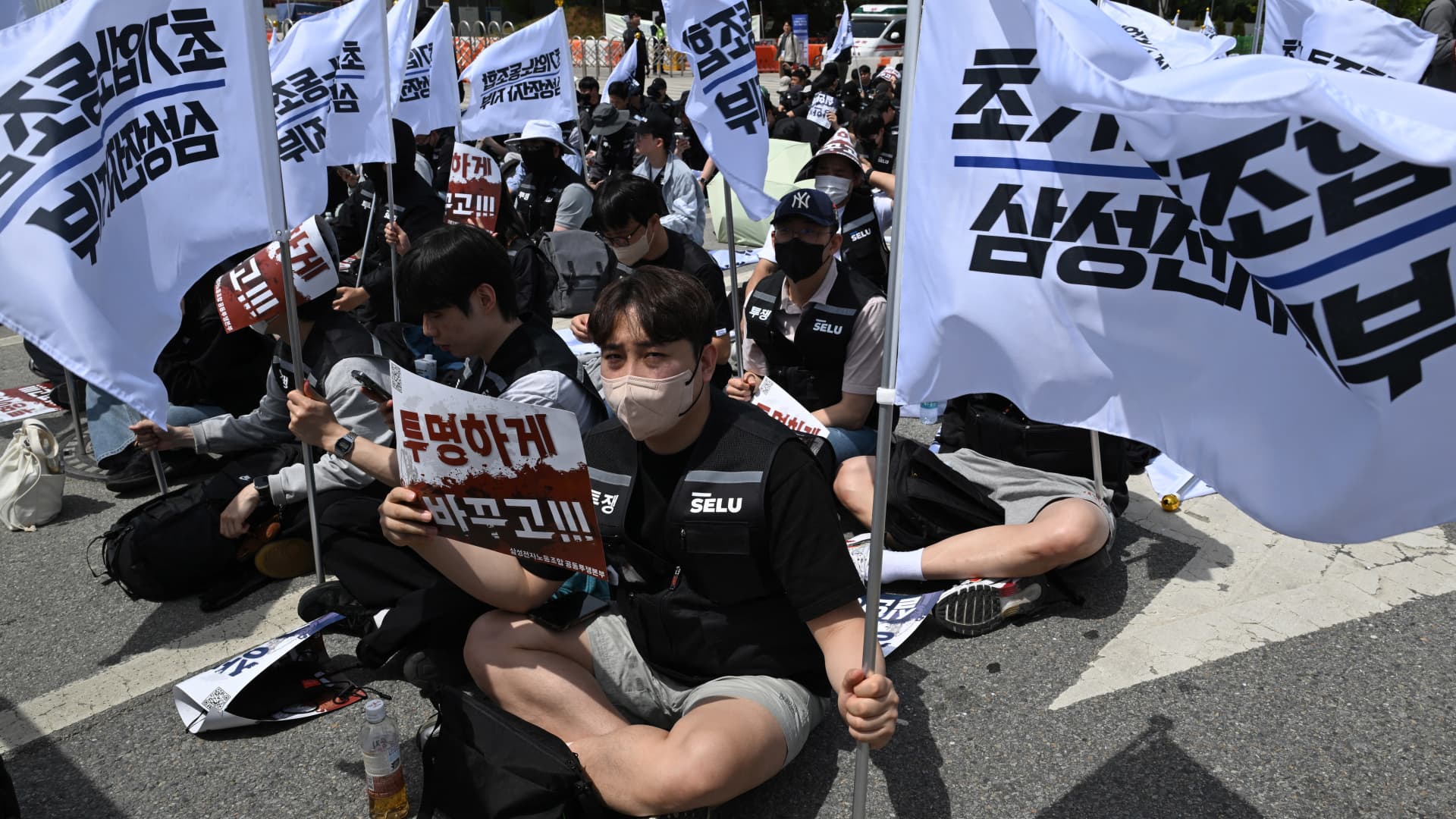
Samsung’s late-stage wage deal and bonuses story is a reminder that even the most complex businesses eventually meet the same reality. If the workforce thinks the upside is being hoarded, the organisation pays for the argument somewhere else: productivity, quality, attrition, or disruption.
Employer Brand POV
If you are changing pay, say so plainly. If you are not changing pay, explain what you are doing instead. Most “pay frustration” is not greed; it is ambiguity. Publish pay principles, pay ranges where you can, and the mechanics of progression. People can live with a smaller number. They cannot live with a mystery.
📌 Sources
 Lara Ewen

 Ginger Christ

 Lim Hui Jie
- https://www.ft.com/content/4837bb92-8db3-4fe6-ada5-7f83c6486a14
AI is becoming a management system, not a tool
We are past “try the chatbot”. The more interesting shift is the creep from optional usage into expectations, policies, and measurement.
Leaders want proof that AI is “working”. Workers want protection from being blamed when it isn’t. That tension turns into audits, dashboards, and performative adoption. If you measure the wrong thing, you get the wrong behaviour. People start managing the metric instead of improving the work.
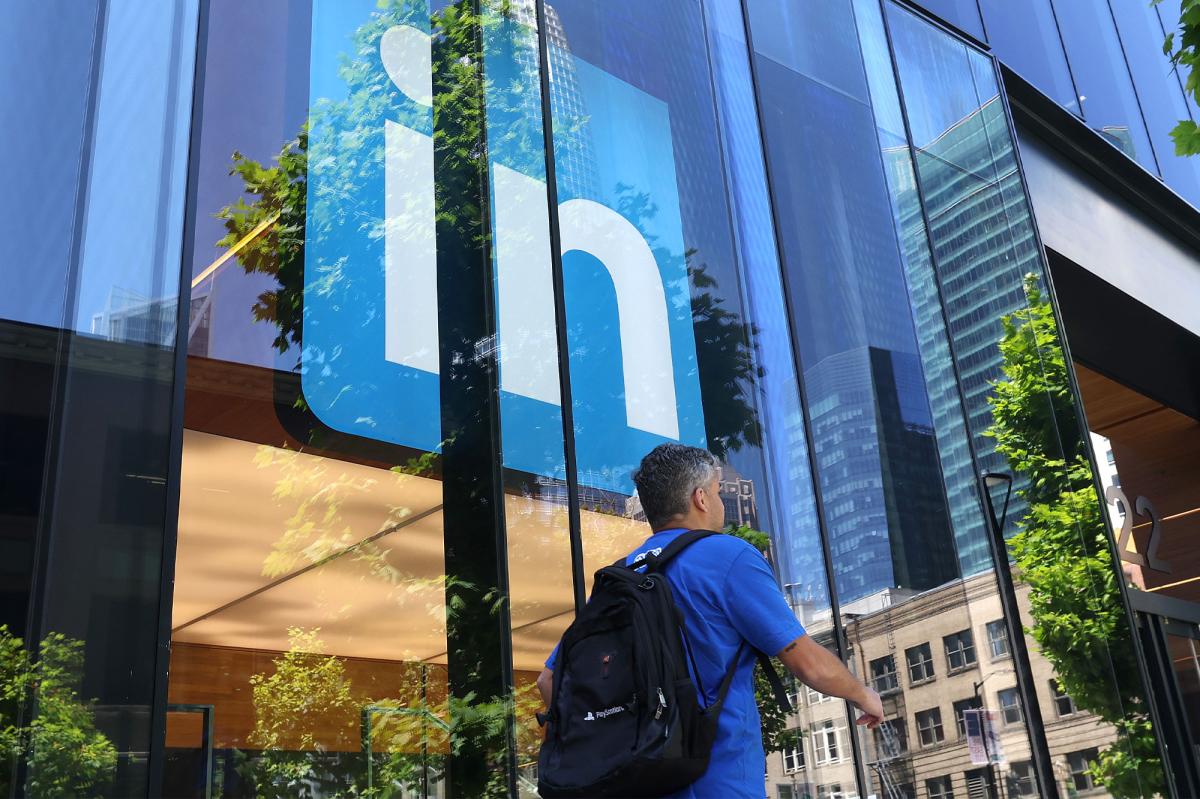
LinkedIn’s move to suppress low-effort AI content is a useful cultural tell. We are entering the phase where AI output is cheap, and credibility becomes the scarce asset again. That will hit employer branding too. A glossy AI-generated careers post is not a strategy. It is a signal to candidates that you will automate the talking as well as the work.
Employer Brand POV
Treat AI as a product rollout, not a vibe. Define acceptable use. Define unacceptable use. Define who owns quality when the output is wrong. Then make training time real, not “resources available on the intranet”. If AI is going to raise expectations, it must also raise support.
📌 Sources
Kamaron McNair
 Emma Burleigh
 TOI Tech Desk
- https://finance.yahoo.com/sectors/technology/article/billionaire-block-founder-jack-dorsey-suggests-radically-reshaping-manager-roles-in-the-age-of-ai-131219450.html
- https://www.entrepreneur.com/business-news/linkedin-is-fighting-back-against-ai-slop-and-ai-comments
- https://www.ft.com/content/d022680e-f769-47c6-ae90-b1ff8a802dce?syn-25a6b1a6=1
- https://timesofindia.indiatimes.com/technology/tech-news/linkedin-co-founder-reid-hoffman-has-a-reminder-for-everyone-on-ai-layoffs-its-important-not-to-ignore-/articleshow/130896300.cms
- https://finance.yahoo.com/markets/article/circle-ceo-says-ai-fueled-layoffs-are-only-the-tip-of-the-iceberg-174500668.html
Flexibility isn’t dying. It’s being renegotiated in public
Remote work is now less a policy debate and more a relationship test.
Some data points suggest remote work can support productivity. Some leaders remain determined to pull people back anyway. Both things can be true, and that is the point: hybrid work is not a spreadsheet problem, it is a management capability problem. Teams with clear priorities and trust-based execution make flexibility work. Teams that run on anxiety and visibility rituals do not.
The four-day week evidence is also creeping from “experiment” into “operating choice”. The most interesting part is not the headline, it is the implementation. Any model can look good on a poster. The test is whether managers can redesign work without simply compressing five days of chaos into four days of panic.
Employer Brand POV
If you want credibility, write down what “good” looks like. Service hours. Response expectations. Meeting norms. Escalation paths. People don’t leave flexibility policies; they leave the friction, the ambiguity, and the constant low-level conflict.
📌 Sources
 John L. Hopkins
 Cathy Bussewitz

 Thibault Spirlet

- https://theconversation.com/why-keeping-collaborative-remote-work-environment-options-open-is-key-for-business-innovation-281543
- https://www.irishtimes.com/ireland/2026/05/14/remote-workers-are-happier-but-most-forced-back-to-office-feel-employer-was-justified/
- https://fortune.com/article/zillow-ceo-remote-work-model-talent-everywhere/
- https://www.economist.com/business/2026/05/07/the-pros-and-cons-of-commuting
- https://www.ft.com/content/ef46bd8f-51ee-4c06-b5ab-1de23114f81a?syn-25a6b1a6=1
HR is getting power. Also blame. Sometimes on the same day
HR’s influence is rising, at least on paper. International HR Day coverage is full of that “power function” framing. The reality inside many organisations is more complicated: HR is being asked to drive transformation while being handed the consequences of decisions it didn’t make.
This week’s corporate stories underline the split. Some leaders are making culture sound like an operating system. Others are cutting HR outright and acting surprised when the people problems multiply. Meanwhile, governance, risk, and trust are all rising in importance, which is inconvenient if your operating model still treats people work as a support ticket.
Employer Brand POV
Employer brand is no longer a comms layer. It is the lived experience of policies, managers, and decision-making. If you want HR to carry culture, give it the authority, capacity, and cross-functional backing to do so. Otherwise it becomes the complaint desk for strategy.
📌 Sources
 Samriddhi Srivastava
 Preston Fore
- https://www.fastcompany.com/91544230/your-company-lives-inside-its-culture
- https://www.inc.com/netta-jenkins/why-data-is-becoming-the-language-of-leadership-in-hr/91337316
- https://www.inc.com/netta-jenkins/hr-isnt-just-support-anymore-its-running-the-show-behind-the-scenes/91337284
- https://www.inc.com/sarah-lynch/inside-lucy-guos-workplace-strategy-for-building-retention/91339389
- https://employerbranding.news/employer-brand-culture-operating-system/
- https://employerbranding.news/what-i-learned-doing-recruitment-marketing-for-a-brand-nobody-wants-to-work-for/
- https://employerbranding.news/employer-branding-2026-new-bargain/
The Cut List
The Cut List is our weekly roundup of layoffs and restructures, focused on what changed, how it lands with talent, and what communicators should do before the rumour mill does it for them.
What moved
Meta’s May 20 wave set the tone, with restructuring framed as an AI workflow overhaul and a reminder that “success isn’t a given”. Intuit signalled a classic refocus: cut deep, streamline, and point at AI as the strategic direction. Standard Chartered put unusually blunt language around the substitution logic: replacing “lower-value human capital” with investment in AI and automation.
What it means
Layoffs are not just labour-market events. They are trust events. They change how every AI rollout is heard, how every “efficiency” memo reads, and how every retention message lands.
Employer Brand POV
If you are cutting, write like a human and act like you mean it. Explain why, explain what support looks like, and explain what hiring looks like next. If you are not cutting, don’t be coy. “No news” reads as “news loading”.
📌 Sources
Jonathan Vanian
 Angelynn T.
 Brian Gallagher
- https://www.reuters.com/world/meta-lays-out-plans-may-20-layoffs-restructuring-internal-document-says-2026-05-18/
- https://www.ndtv.com/business-news/meta-layoff-job-cuts-final-email-fired-employees-tech-ai-disruption-mark-zuckerberg-h1b-visa-workers-11526151
- https://www.nytimes.com/2026/05/18/technology/meta-reassigns-7000-employees-ai.html
- https://www.reuters.com/business/world-at-work/intuit-cut-17-global-jobs-streamline-operations-memo-shows-2026-05-20/
- https://www.channelnewsasia.com/business/standard-chartered-reduce-7000-roles-2030-6129761?cid=internal_sharetool_androidphone_19052026_cna
- https://finance.yahoo.com/markets/stocks/articles/meta-lays-out-plans-for-may-20-layoffs-restructuring-internal-document-says-191547511.html
- https://www.businessinsider.com/verizon-cuts-hundreds-of-jobs-in-latest-round-of-layoffs-2026-5
- https://fortune.com/2026/05/05/coinbase-layoffs-14-of-employees-ai-tech-ai-job-anxiety-crypto/
Closing thoughts
The through-line this week is not “AI” or “remote work” or “pay”. It is the bargain underneath them.
When workers feel the bargain is tightening, they demand clarity. When leaders feel the bargain is tightening, they demand proof. If the only tools you have are monitoring, mandates, and memos, you get compliance without confidence.
The best employer brands this year will not be the loudest. They will be the most coherent.
Unnamed CHRO