


If the workplace had a weather report, this week would be “overcast with a chance of performance dashboards”.
A few things are happening at once. The early-career on-ramp is narrowing. Hybrid work is being sold as compromise, then used as a sorting mechanism. AI is being pitched as leverage, while humans increasingly own the mistakes. And when organisations feel uncertainty, they reach for two things: measurement and control.

Your employees know the truth. Does your EVP? At Fathom we measure the "Credibility Gap" between your promise and their reality.
This Week’s Paper Cut's
Watch or listen here ↯
We keep tracking to a minimum. The video is hosted on YouTube and the podcast is hosted on PodBean, which may place cookies that measure viewing and personalize content. We only load the player after you consent to these cookies. You can update your cookie settings any time.
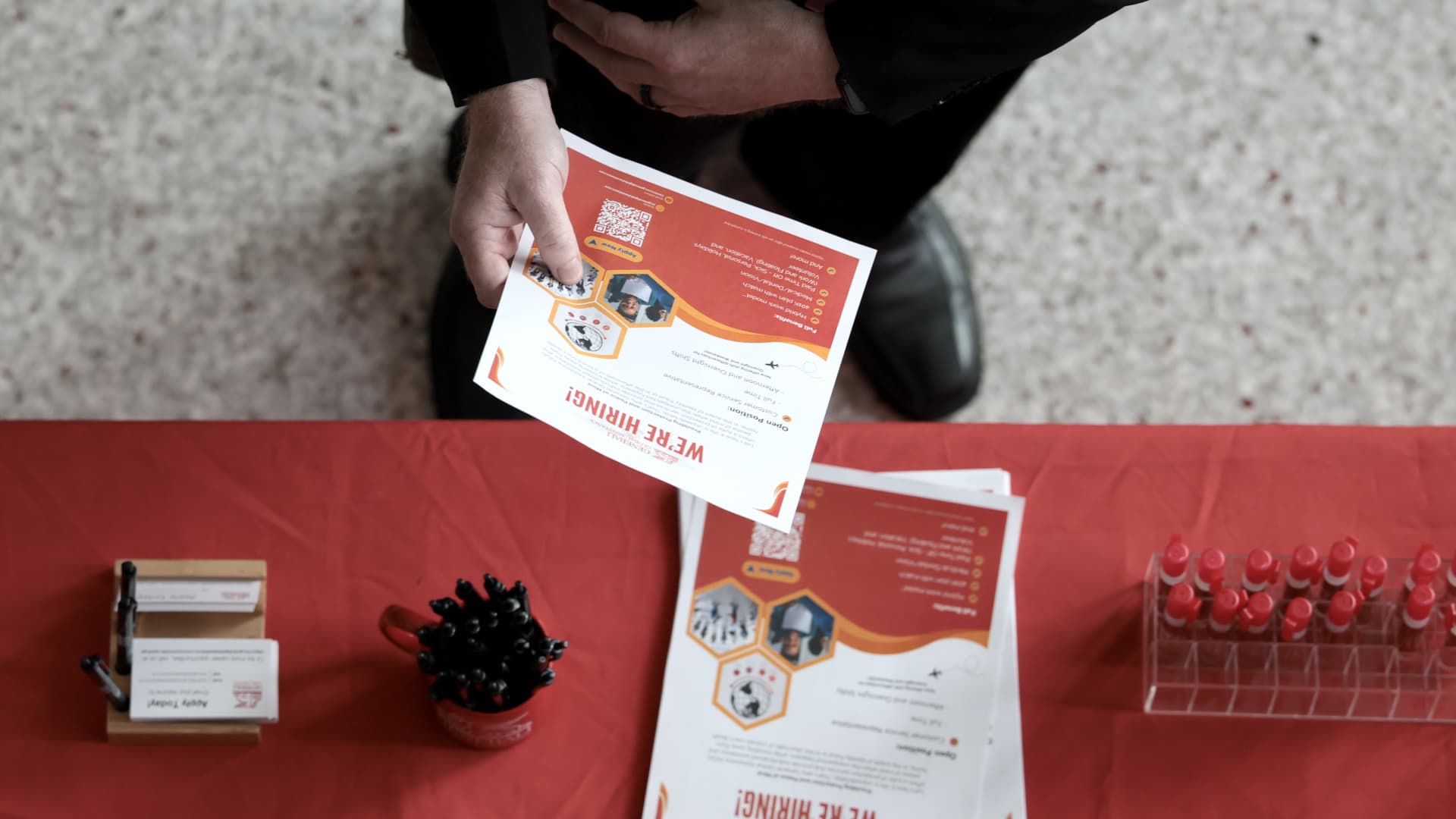
The early-career on-ramp is narrowing (and remote work is part of the argument now)
The loudest story in early careers isn’t “Gen Z doesn’t want to work.” It’s “Gen Z can’t get in.”
Fresh data and commentary are converging on a harsh reality: graduates are facing a tougher entry market, and the shape of work is being used as a proxy for readiness. Remote work, once framed as a universal perk, is now being discussed as something that can disadvantage early-career workers if there isn’t structure, coaching, and a real apprenticeship layer.
Hybrid work is often sold as the golden compromise. In practice, it can become a social tax: the people who show up on “intentional office days” get the informal context, sponsorship, and visibility. Everyone else gets the Slack transcript.
Employer Brand POV
If you want to hire graduates, stop treating entry-level as “cheap labour with a degree”. Publish what learning looks like in the first 90 days. Make mentorship explicit. Make the cadence of in-person time purposeful rather than political. The on-ramp isn’t broken because young people are fragile. It’s broken because too many employers removed the training layer and kept the expectations.
📌 Sources
 Ginger Christ

 Annie Nova

 Jermaine Wilson

 Jasper Jolly

 Alanah Mitchell

 ANI

AI at work is turning into a blame game (and a new caste system)
A lot of workplace AI conversation still pretends the only question is: “Does it boost productivity?”
This week’s more useful question is: Who holds the risk when it goes wrong?
Because we’re seeing the same pattern repeat: AI output is introduced as acceleration, then humans become the error-handling layer. A “helpful assistant” quickly becomes an extra job: verifier, editor, apologiser.
That’s how you end up with what some are calling an AI caste system: people who get to use tools to amplify their work, and people who are stuck cleaning up the consequences.
We also have another reminder that AI is pushing into physical work too. Amazon’s conversational robot story is a neat symbol of where this is heading: instruction gets easier, accountability doesn’t.
Employer Brand POV
If you want adoption without backlash, you need two things employees can feel: guardrails and fairness. Guardrails clarify what’s acceptable and what’s not. Fairness means the downside isn’t quietly assigned to the worker while leadership keeps the upside as “efficiency”.
📌 Sources
 Sasha Rogelberg

 SOB News Team

 TOI Tech Desk
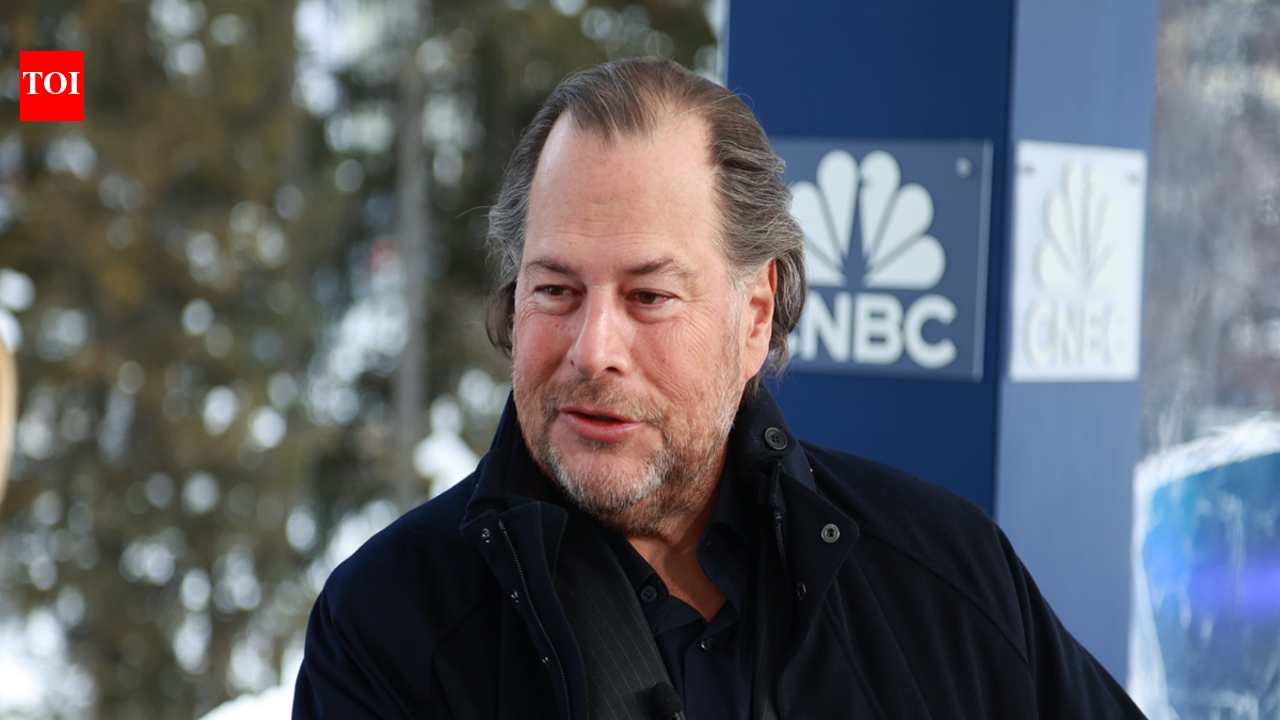
 Annie Palmer

- https://www.news.com.au/finance/work/careers/more-exhausted-than-ever-ai-creates-unrealistic-expectations-drives-aussie-employee-burnout/news-story/c261dee1d10f9b6451f31610812a62a9
- https://www.hcamag.com/asia/news/general/amazon-launches-ai-worker-robot-that-takes-conversational-instruction/577835?utm_source=ebn&utm_medium=news-feed&utm_content=story&utm_campaign=all
- https://www.freemalaysiatoday.com/category/business/2026/06/02/pay-workers-as-much-as-possible-says-nvidias-huang
- https://timesofindia.indiatimes.com/technology/tech-news/amd-ceo-lisa-su-at-mit-commencement-companies-do-not-need-people-who-know-how-to-use-ai-tools-they-need-people-who-know-/articleshow/131431407.cms
Proof culture is spreading (and it’s eating the job)
Once you start measuring the wrong thing, you don’t get performance. You get performance art.
Token counts. Tool usage. “Engagement” scores. AI tooling stacks proliferating inside recruiting teams. Internal surveys that carefully avoid the question everyone wants answered.
When organisations are anxious, they often choose metrics that are easy to collect rather than metrics that reflect reality. Employees clock the difference instantly and adapt accordingly. They do what’s visible. They avoid what’s risky. They manage the dashboard.
Some of the most telling stories this week are about what employees stop doing under these conditions: speaking up, taking initiative, challenging bad decisions early. Not because they don’t care, but because the environment teaches them it’s not safe, not useful, or not worth it.
Employer Brand POV
If you’re going to build a “proof culture”, pick proofs that matter: quality, customer outcomes, cycle time, error rates, retention. Otherwise you end up with a workforce optimising for compliance theatre, and you’ll call it productivity until someone quits and tells the truth on LinkedIn.
📌 Sources
 Thibault Spirlet

 Preston Fore
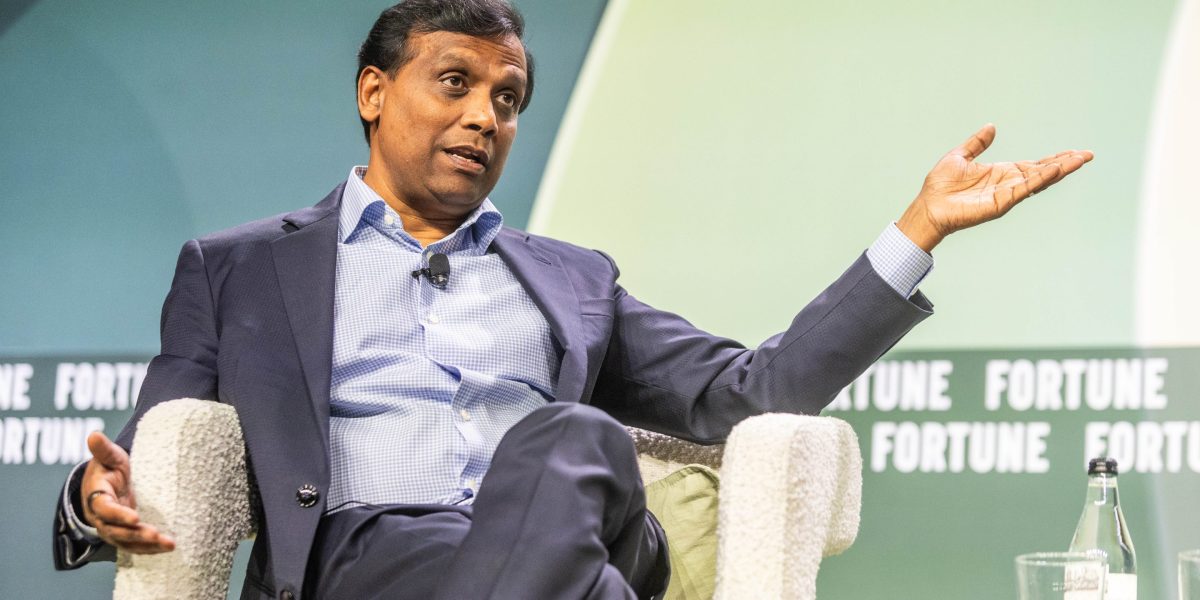
 Ashley Stewart

 Samriddhi Srivastava

 Bruce Golding
- https://fortune.com/2026/06/02/cognizant-ceo-ravi-kumar-s-ai-middle-managers-player-coaches/
- https://www.businessinsider.com/microsoft-surveys-employees-sentiment-memo-2026-6
- https://www.fastcompany.com/91553359/employee-engagement-was-built-for-a-more-stable-era
- https://www.forbes.com/sites/dianehamilton/2026/06/03/why-some-employees-stop-speaking-up-even-when-they-see-problems/
- https://recruitingheadlines.com/new-data-recruiter-interactions-with-candidates-and-clients-jump-60-yoy-number-of-ai-tools-used-grows/?utm_source=ebn&utm_medium=news-feed&utm_content=story&utm_campaign=all
Surveillance is the new “management system”
If hybrid work is a management capability test, surveillance is what some organisations reach for when they fail it.
The private-investigator story out of Australia is a perfect example of the direction of travel. It’s the workplace equivalent of putting a speed camera in the kitchen because someone burnt the toast.
At the same time, the labour market backdrop is getting heavier. Long-term unemployment is rising as a concern, and job changes are taking longer. When people feel less mobile, they tolerate worse conditions for longer. That’s not stability. It’s stagnation.
Employer Brand POV
Surveillance doesn’t build trust. It broadcasts the absence of it. If you want accountability, build clarity: expectations, service levels, decision rights, and manager competence. If your answer is spying, you don’t have a productivity problem. You have a leadership problem.
📌 Sources
 April Glover

 Alex Harring

 John Buchanan

 Laura Cress

 Jeff Cox
 Kali Hays

- https://www.nine.com.au/australia-news/australia-employers-are-asking-private-investigators-to-spy-on-wfh-staff-20260527-p601af.html
- https://www.cnbc.com/2026/06/04/long-term-unemployment-economy-jobs.html
- https://www.cnn.com/2026/06/01/economy/finding-new-job-challenges
- https://www.bbc.com/news/articles/cwy25x97wrxo
The Cut List
The Cut List is our weekly roundup of layoffs and restructures, tracked for what they do to talent confidence, not just headcount.
This week’s pattern is familiar: “quiet” reductions, compliance-adjacent manoeuvres, and AI sitting nearby as the explanation, the excuse, or the backdrop.
Google Cloud’s reported cuts are a reminder that even “growth areas” get trimmed without fanfare. Oracle’s alleged status-change tactic, if accurate, is the sort of procedural move that turns a restructure into a reputational scar. And the broader lists of “AI replacement” cuts are doing what lists always do: spreading the mood faster than the facts.
Employer Brand POV
If you cut, be specific. If you can’t be specific, be honest about what you can say now and what you’ll confirm later. Vague language doesn’t calm anyone; it invites interpretation.
📌 Sources
 Charles Rollet

 Mary Whitfill Roeloffs
 Alex Bitter

 Ana Altchek and Kelsey Vlamis and Shubhangi Goel and Katherine Tangalakis-Lippert
- https://www.moneycontrol.com/news/trends/oracle-workers-allege-company-changed-their-job-status-before-layoffs-to-avoid-certain-notice-requirements-13938489.html
- https://www.washingtonpost.com/business/2026/06/04/unemployment-benefits-jobless-claims-layoffs-labor/ac27c740-6012-11f1-9c46-d6211372eede_story.html
- https://theedgemalaysia.com/node/805598
Closing thoughts
This week isn’t about whether AI “works”. It’s about who gets squeezed when organisations chase efficiency without redesigning work.
When the on-ramp narrows, entry careers stall. When proof culture spreads, people manage optics. When surveillance becomes the fallback, trust becomes the casualty.
If you want an employer brand that holds up under pressure, build fewer slogans and better systems.
 Unnamed CHRO