


If you’ve been feeling déjà vu, you’re not alone. The headlines keep repeating, but the mechanics keep sharpening.
This week’s stories are about what happens after the demo. AI doesn’t just automate tasks. It changes budgets, job design, and the tone of management. Then it bumps into the real world: training gaps, messy workflows, rising surveillance, and workforce plans that suddenly sound like “efficiency” and feel like “fewer people”.

Your employees know the truth. Does your EVP? At Fathom we measure the "Credibility Gap" between your promise and their reality.
This Week’s Paper Cut's
Watch or listen here ↯
We keep tracking to a minimum. The video is hosted on YouTube and the podcast is hosted on PodBean, which may place cookies that measure viewing and personalize content. We only load the player after you consent to these cookies. You can update your cookie settings any time.
The Efficiency Trap: Jevons Paradox, but in a blazer
The most useful framing this week is the one nobody wants on a slide: efficiency gains rarely reduce work. They tend to increase expectations.
That’s the Jevons Paradox storyline applied to the office. When a tool makes something cheaper or faster, organisations don’t bank the time. They spend it. More tickets closed. More accounts handled. More output expected. The workload expands to fill the new capacity, and the human cost shows up later as burnout, disengagement, and churn.
The uncomfortable detail is that the “AI bill” is not just compute. It’s governance, change management, QA, rework, security, and the people-time required to make the tools useful without breaking everything else.
Employer Brand POV
If you are rolling out AI, stop promising “time back” unless you have rules that actually protect it. Decide what gets stopped when AI arrives: meetings, reports, process steps, or manual checks. If nothing stops, the workforce learns the lesson fast. AI equals more output, not a better job.
📌 Sources
 Joe McKendrick

 Joe Wilkins

 James Robbins
 Mike Parsons

- https://www.indiatoday.in/technology/features/story/microsoft-and-others-rethink-ai-use-cost-rising-fast-and-no-productivity-gains-2917319-2026-05-26
- https://www.channelnewsasia.com/world/hsbc-ceo-georges-elhedery-says-do-not-fight-ai-banks-cut-jobs-6131921
Agents for HR are not a pilot. They’re a platform decision
This is the week “agentic” stopped being a buzzword and started looking like an operating model.
Workday and Google Cloud expanding their partnership to bring AI agents into HR and finance is a straightforward message to the market: the workflow is the product now. Not a chatbot window. The actual systems where approvals, payroll, workforce planning, and case management live.
At the same time, HR teams are being told the “old HR is dead,” while also being asked to manage the biggest transition in job design and skills expectations in a generation. That’s a tall order for a function that is often understaffed, over-requested, and invited to decisions late.
Employer Brand POV
If HR is going to run “agentic” workflows, you need legitimacy and safeguards. Publish what agents can do, what they can’t do, and who signs off. If employees experience automation as a black box that affects pay, promotion, scheduling, or performance, you don’t get adoption. You get escalation.
📌 Sources
Paige Gross

 Jen A. Miller

 Wednesday 27 May 2026

- https://www.hcamag.com/asia/news/general/the-old-hr-is-dead-heres-whats-replacing-it/576490
- https://hrsea.economictimes.indiatimes.com/news/learning-and-development/bridging-the-leadership-clarity-gap-transforming-communication-into-action/131307163
The pipeline problem: if entry work disappears, learning disappears with it
This is where the story gets strategic.
Automation doesn’t only threaten jobs. It threatens apprenticeship. A lot of entry-level work is “learning by doing” disguised as repetitive tasks. You remove the repetition without replacing the learning, and you get a future workforce that is credentialed but unseasoned.
That’s why the debate about “grunt work” matters, even when it sounds old-fashioned. Early careers need reps. They need exposure to messy context, not just clean assignments. AI can accelerate learning if it’s used as a coach. It can also hollow out learning if it’s used as a replacement.
The skills headlines will keep coming, but the real question is practical: where do juniors get the reps that turn them into reliable seniors?
Employer Brand POV
If you want a future pipeline, design one on purpose. Make “entry work” a structured rotation, not a disposable layer. Pair AI tools with clear guardrails and real mentorship. Tell candidates what the first 90 days looks like, and how capability is built. The organisations that keep entry routes alive will win loyalty cheaply, because everyone else is cutting the ladder.
📌 Sources
Tristan Bove Benjamin Todd
 Huileng Tan

- https://fortune.com/2026/05/26/nvidia-ceo-jensen-huang-embrace-criticism-leadership-strategy-learned-from-taiwanese-parents-five-trillion-dollar-tech-firm/
- https://fortune.com/2026/05/22/indeed-chief-economist-svenja-gudell-entering-era-great-mismatch-generational-imbalance-workers/
- https://www.ilo.org/resource/news/global-employment-forecast-downgraded-7-million-jobs-2025-amid-rising
- https://globalnews.ca/news/11864745/youth-living-at-home/
Control is getting formal: surveillance, NDAs, and “trust by policy”
As AI rolls deeper into work, organisations are reacting in two ways.
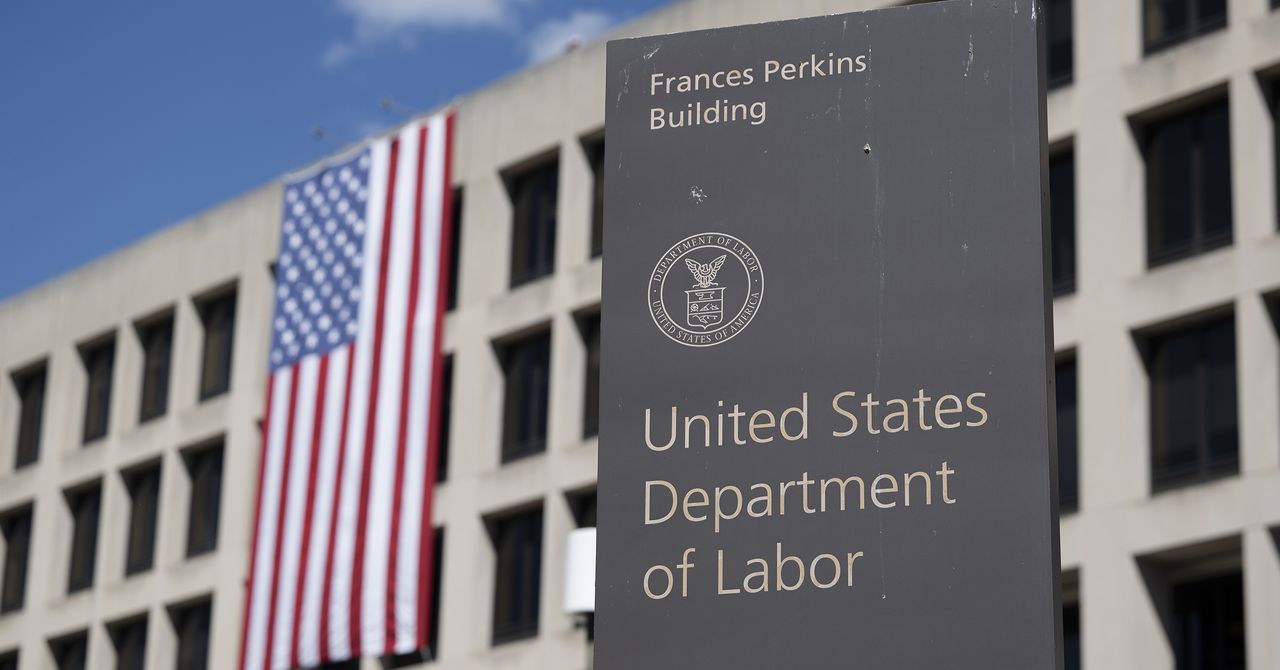
Some are investing in clarity. Others are investing in control. That shows up as monitoring, scoring, and tighter rules about who can say what. The proposed non-disclosure agreements for federal workers is a vivid example of that direction of travel. It’s not about one policy. It’s about the instinct: when uncertainty rises, institutions reach for containment.
We’re also seeing surveillance requests aimed at remote work. In practice, this is not just a privacy debate. It’s an employer brand debate. If your management model requires constant verification, your culture is broadcasting a lack of trust.
Employer Brand POV
If you introduce monitoring, don’t hide behind “security” as a blanket excuse. Say what is captured, why it’s captured, what it will not be used for, and who audits misuse. Trust isn’t created by reassurance. It’s created by constraints people can understand.
📌 Sources
 Vittoria Elliott
 Shireen Khan and ETHRWorldSEA

- https://au.finance.yahoo.com/news/work-from-home-warning-after-private-investigator-reveals-wild-surveillance-request-from-aussie-boss-watching-you-190000189.html
- https://www.reuters.com/world/us/trump-administration-proposes-non-disclosure-agreements-us-federal-workers-2026-05-26/
- https://www.ft.com/content/e126f744-3db9-4305-8871-31f83ebc4ed7?syn-25a6b1a6=1
- https://hrsea.economictimes.indiatimes.com/news/workplace/the-hidden-psychological-cost-of-workplace-recognition/131245019
The Cut List
The Cut List is our weekly roundup of restructures and layoffs, focused on what changed, how it lands with talent, and what people leaders should do next.
What moved
ClickUp’s mass layoff story is the cleanest “future of work” case study this week because it connects cuts to an explicit AI operating model. Wix cutting a large share of its workforce fits the same pattern: restructuring explained through AI reshaping. Meta and other large employers continue to signal that “no more layoffs” is usually a seasonal promise. Intuit’s job cuts underline that even profitable, product-led firms are still slimming for focus.
What it means
Layoffs now arrive with a narrative attached: “AI made us do it” or “AI made it possible.” Either way, employees hear the same message. The organisation is changing the deal and the risk is being shifted downwards.
Employer Brand POV
If you cut, communicate like an adult. Explain the reason, the support, and what hiring looks like next. If you don’t cut, don’t be coy. Silence reads as foreshadowing.
📌 Sources
 Marina Temkin

 Samriddhi Srivastava

 Josh Taylor

- https://www.hcamag.com/ca/news/general/wix-axes-20-of-its-workforce-as-ai-layoffs-reshape-global-tech/576995
- https://www.businessinsider.com/read-meta-layoff-email-employees-2026-5
- https://www.reuters.com/business/world-at-work/intuit-cut-17-global-jobs-streamline-operations-memo-shows-2026-05-20/
- https://www.ynetnews.com/business/article/h1anwq4lme
- https://www.bbc.com/news/articles/cy026x9jpd0o
- https://www.wsj.com/opinion/how-i-choose-which-cloudflare-employees-to-replace-with-ai-40a197e5
- https://www.hcamag.com/us/specialization/transformation/this-ceo-announced-huge-job-cuts-because-of-ai-threats-to-his-family-followed/576406
- https://www.ft.com/content/d82d2a5c-74ab-4eb9-a658-fd5467e71670?syn-25a6b1a6=1
- https://www.ft.com/content/1b7625e7-e9ab-4660-aff5-c1e333c31a5c?syn-25a6b1a6=1
Closing thoughts
The story isn’t that AI will replace everyone. It’s that AI is rewriting the bargain, one workflow at a time.
When efficiency arrives without protections, work expands. When agents arrive without governance, trust shrinks. When entry-level work disappears without a replacement pipeline, capability debt accumulates quietly until it becomes a leadership crisis.
The winners this year won’t be the loudest adopters. They’ll be the clearest employers.
Unnamed CHRO